
Loading, please wait...
LOT 0232
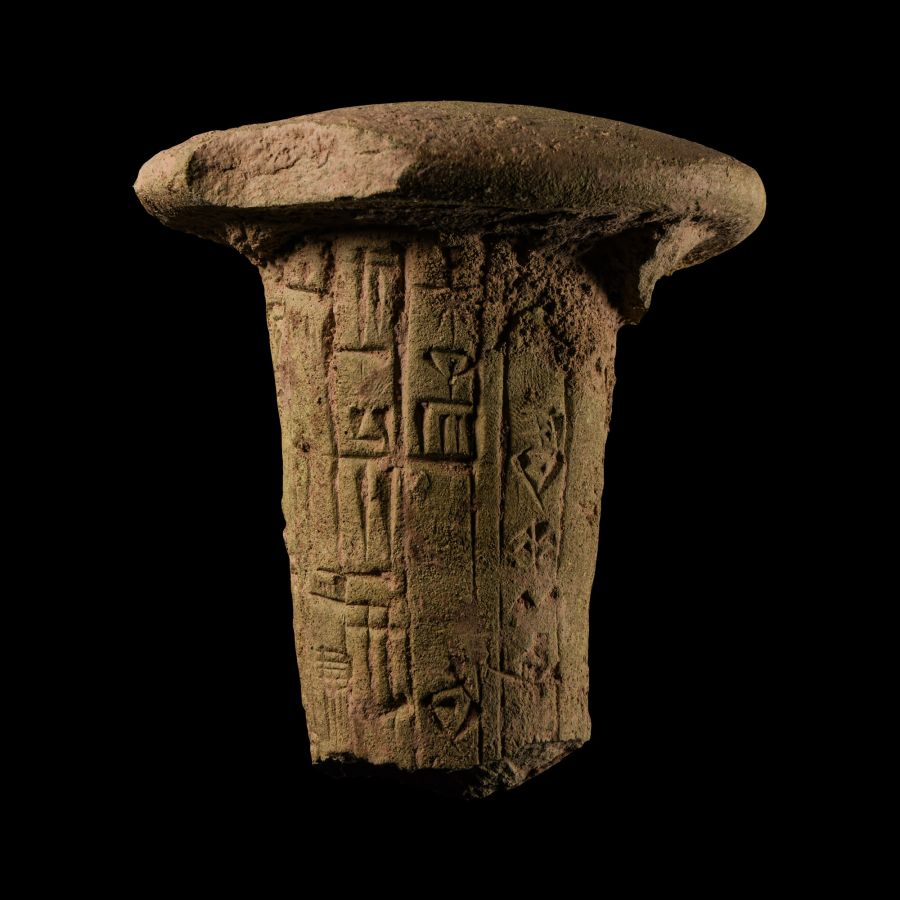
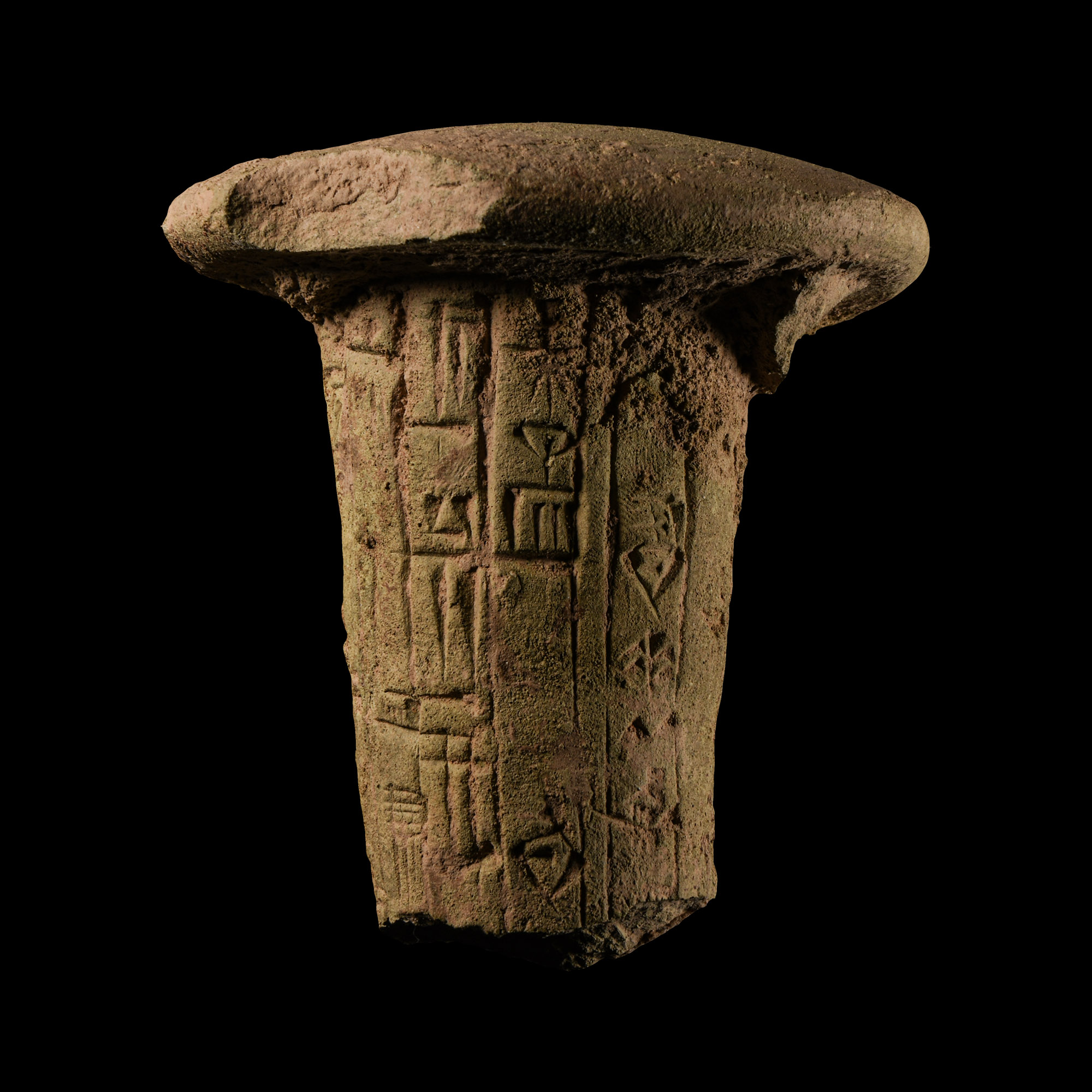
Mesopotamian Terracotta Foundation Nail for Ningirsu, the Strong Hero of Enlil His King, Gudea
3RD-2ND MILLENNIUM B.C.
3 5/8 in. (338 grams, 92 mm).
Conical foundation nail fragment with broad domed top, columns of cuneiform text to the shank:
'dnin-gir -su
ur-saĝ-kal-ga-
den-lil -la
lugal-a-ni
gu -de -a ensi
ŠIR.BUR.LAki-ke
nig -du -e pa mu-na-e
e -ninnu AN.IM.DUGUD-babbar -ra-ni mu-na-du
ki-bi mu-na-gi',
reading: 'Ningirsu, the strong hero of Enlil his king, Gudea, ruler of Lagaš, made ideal values shine and built Eninnu, his white eagle, and restored it'.
Acquired in London in 1995.
European private collection.
Cf. similar item in the Metropolitan Museum of Art, New York, under accession no.45.90, for type.
CONDITIONTimeLine Auctions follows a vetting process to ensure the authenticity and legality of all items, reinforcing our commitment to integrity and responsible trading. Each antiquity, antique, and coin lot undergoes thorough examination by a vetting committee of at least ten external specialists, professional trade association members, scientists, and archaeologists: Our Vetting Process
AUCTIONS:
TimeLine is a leading auction house specialising in antiquities, ancient art, collectables, natural history, coins, medals, and books. Our auctions offer museums, collectors, historians, and enthusiasts the opportunity to acquire unique and historically significant pieces.
LOT 0232
Mesopotamian Terracotta Foundation Nail for Ningirsu, the Strong Hero of Enlil His King, Gudea
Sold for (Inc. bp): £442
-
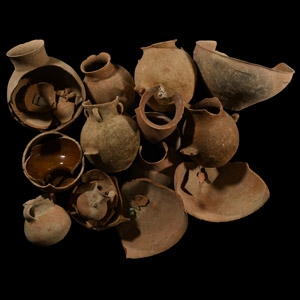
Holy Land and Other Terracotta Pottery Group
3rd-1st millennium B.C.Sold for (Inc. bp): £117
Fragments including bulbous jug with strap handles, bowl with ledge handles and other types. 16 kg total, 3-32 cm
Ex London, UK, gallery, 1980-1990s. -
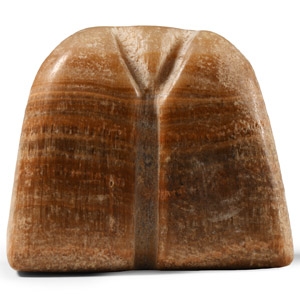
Bactrian Stone Idol
Circa 2nd millennium B.C. or laterSold for (Inc. bp): £130
Carved alabaster with Y-shaped groove to the obverse, collector's label to the underside. 148 grams, 58 mm
Acquired 1970-1999. London collection of the late Mr S.M., thence by descent. -
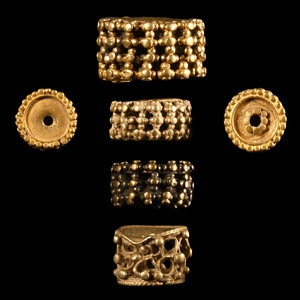
Western Asiatic Graduated Gold Bead Set
2nd-1st millennium B.C.Estimate: £250 - 350 (+bp*)
Opening Bid: £125
Mixed group of granulated beads with different sized holes. 3.25 grams total, 5-10 mm
From a late Japanese specialist collector, 1970-2000s.
