
Loading, please wait...
LOT 1337
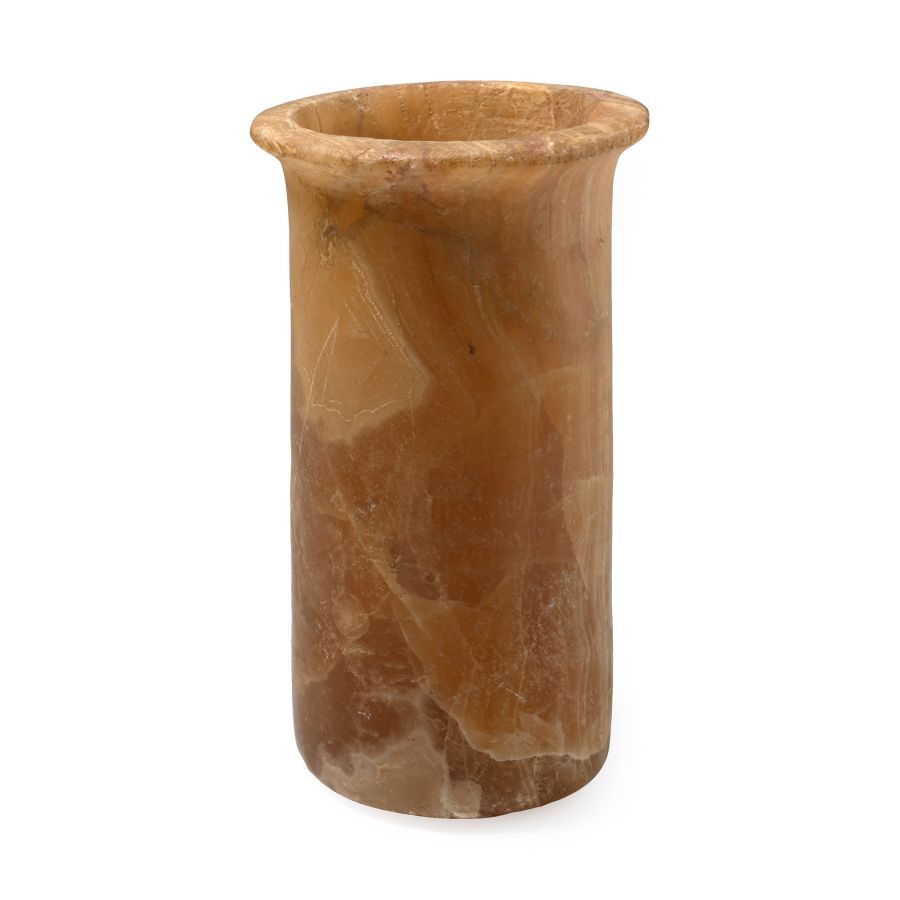
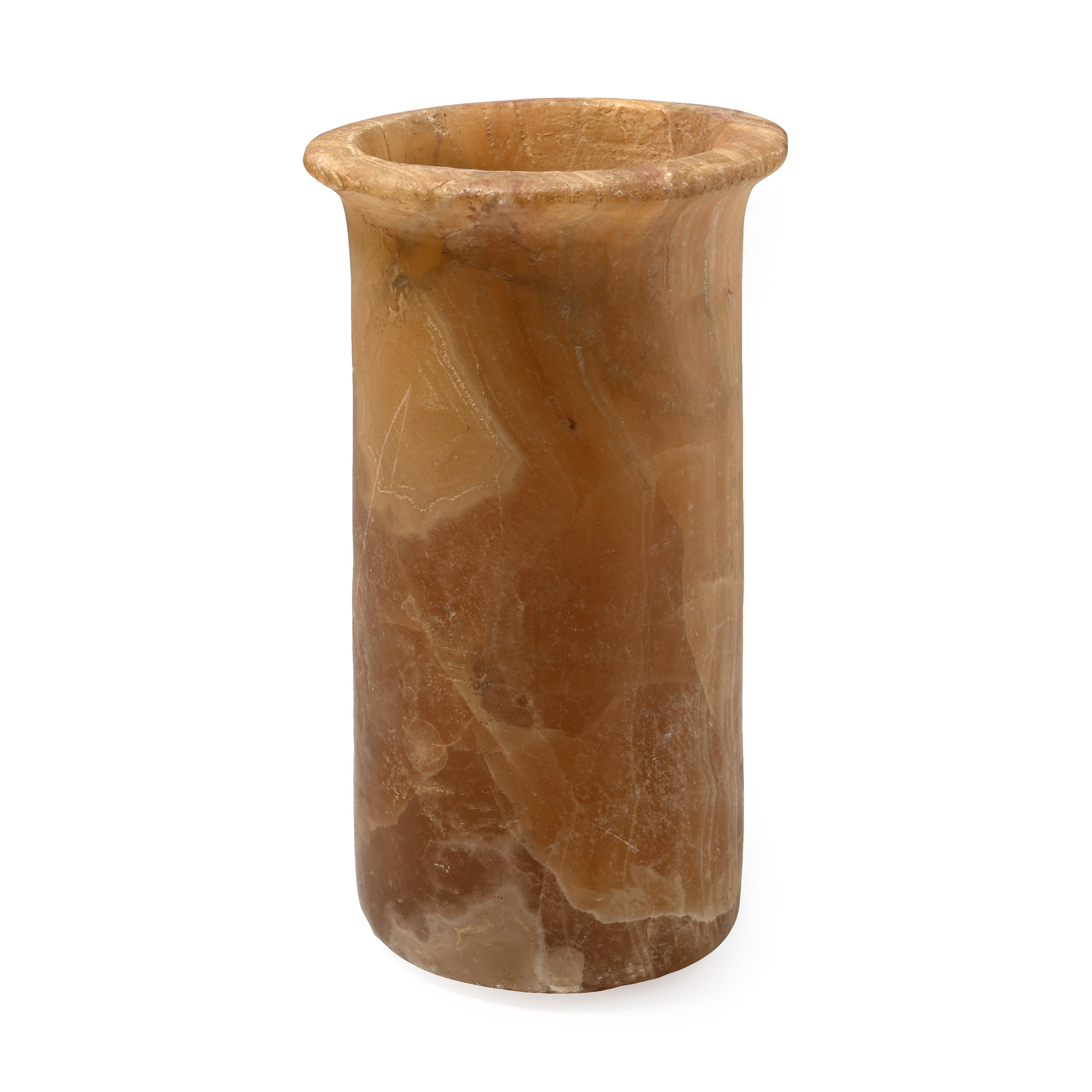
Mesopotamian Stone Vase
1ST MILLENNIUM B.C.
4 1/8 in. (311 grams, 10.4 cm).
Slightly flared tubular body with flat everted rim.
ProvenanceEx Mayfair, London, UK, gallery, 2000s.
CONDITIONTimeLine Auctions follows a vetting process to ensure the authenticity and legality of all items, reinforcing our commitment to integrity and responsible trading. Each antiquity, antique, and coin lot undergoes thorough examination by a vetting committee of at least ten external specialists, professional trade association members, scientists, and archaeologists: Our Vetting Process
AUCTIONS:
TimeLine is a leading auction house specialising in antiquities, ancient art, collectables, natural history, coins, medals, and books. Our auctions offer museums, collectors, historians, and enthusiasts the opportunity to acquire unique and historically significant pieces.
-
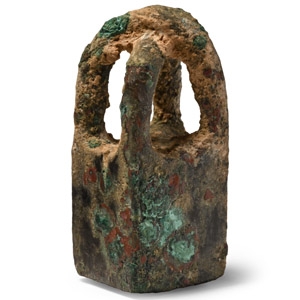
Western Asiatic Bronze Cage Weight with Seated Figure
1st millennium B.C.Estimate: £200 - 300 (+bp*)
Opening Bid: £100
Comprising a square-section body with overlapping U-shaped handles above, one side with an incised image of a seated male holding a long staff. 46.3 grams, 38 mm
From the collection of a gentleman, acquired on the London art market in the 1990s. -
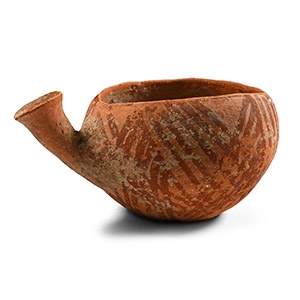
Amlash Painted Terracotta Vessel with Spout
1st millennium B.C.Sold for (Inc. bp): £208
With rounded body and narrow base, tubular spout with everted rim; the body with intersecting linear decoration. 252 grams, 14.6 cm
with Galerie Rhéa, Zurich, Switzerland. -
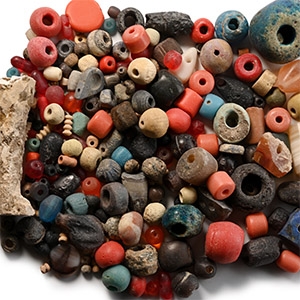
Mixed Ancient Bead Collection
1st millennium B.C. and laterSold for (Inc. bp): £59
Including fusiform, oblate biconical, polyhedral and other types in glass, and other materials. 107 grams total, 1-43 mm
London, UK, collection, 2000s.
