
Loading, please wait...
LOT 1265
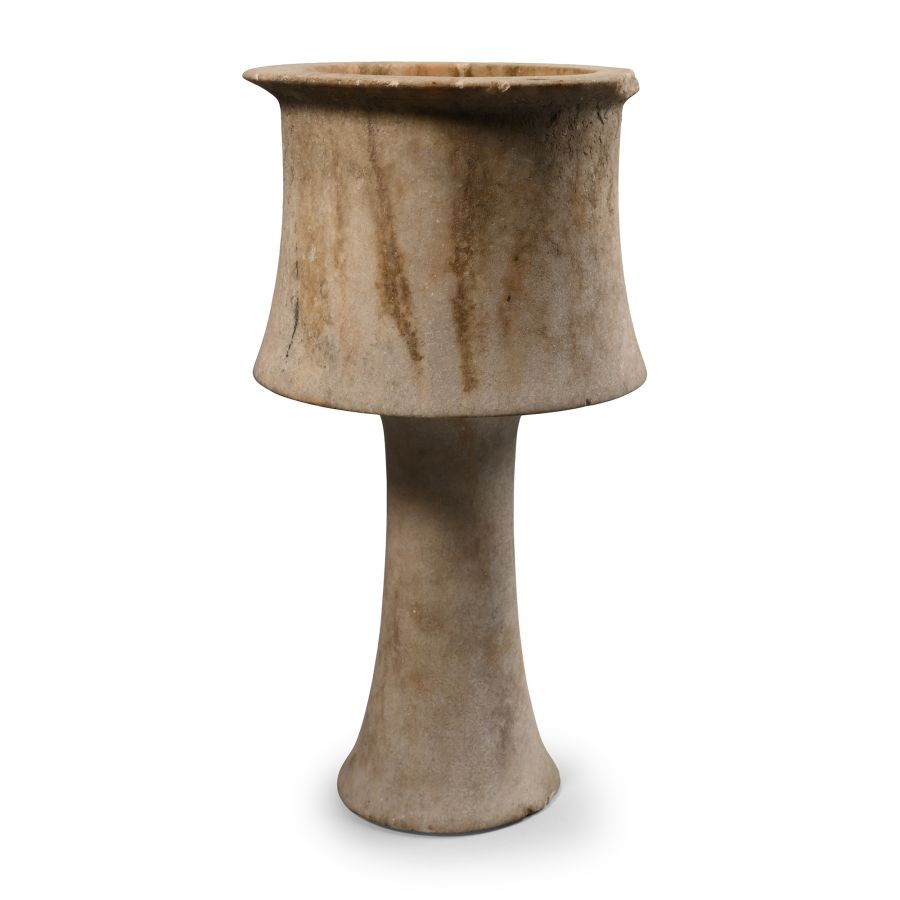
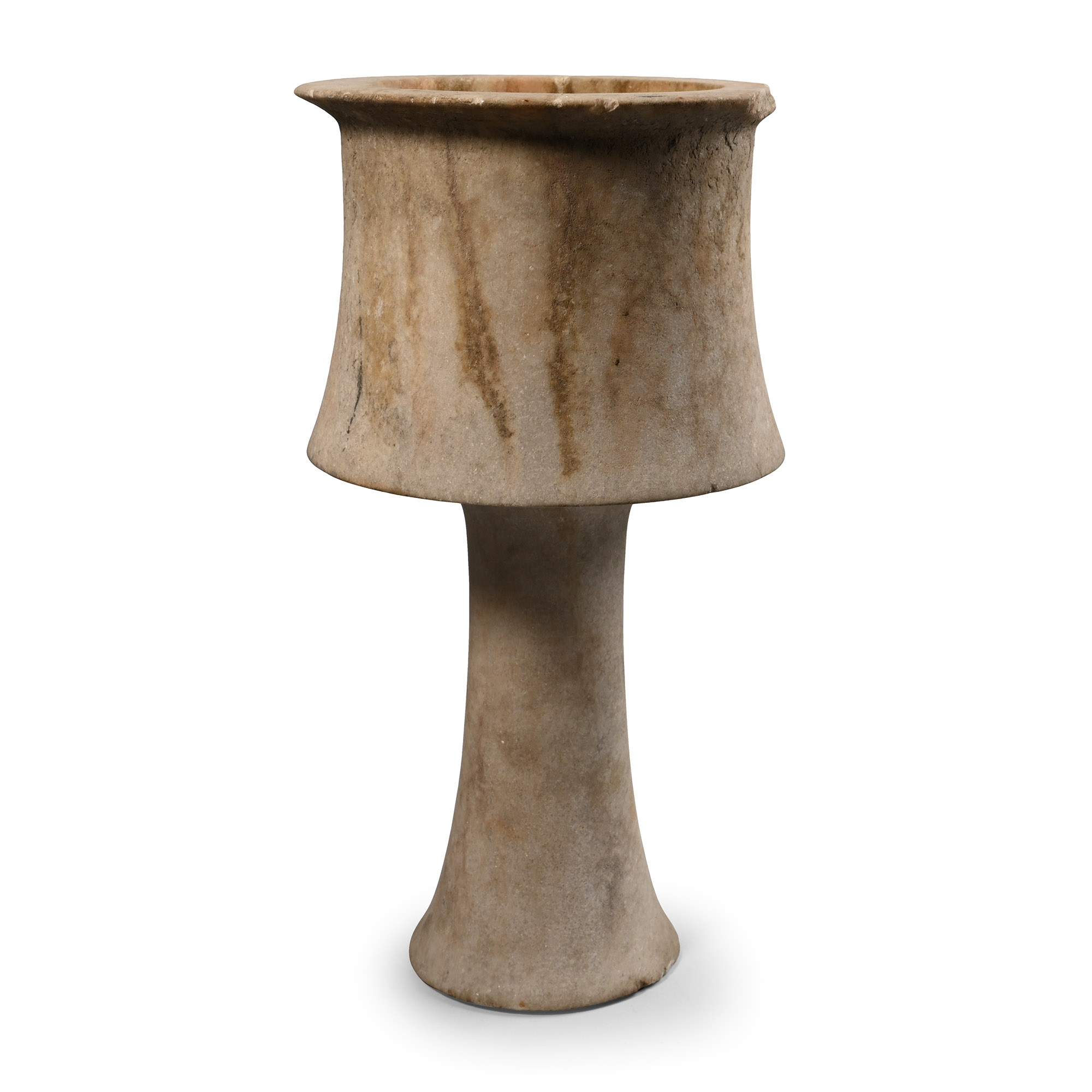
Mesopotamian Marble Chalice
LATE 2ND-1ST MILLENNIUM B.C.
13 7/8 in. (6.47 kg, 35.2 cm).
With flared foot and sturdy shank, bowl with carinated profile and everted rim.
ProvenanceEx Mayfair, London, UK, gallery, 2000s.
CONDITIONTimeLine Auctions follows a vetting process to ensure the authenticity and legality of all items, reinforcing our commitment to integrity and responsible trading. Each antiquity, antique, and coin lot undergoes thorough examination by a vetting committee of at least ten external specialists, professional trade association members, scientists, and archaeologists: Our Vetting Process
AUCTIONS:
TimeLine is a leading auction house specialising in antiquities, ancient art, collectables, natural history, coins, medals, and books. Our auctions offer museums, collectors, historians, and enthusiasts the opportunity to acquire unique and historically significant pieces.
-
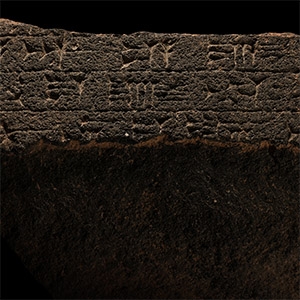
Western Asiatic Basalt Tablet with Cuneiform Inscription
2nd-1st millennium B.C.Estimate: £2,500 - 3,500 (‡+bp*)
Opening Bid: £1,200
Architectural fragment with rectangular band to one edge, carved decorative detailing with inscription. 7.85 kg, 32.6 cm
Private collection, Europe, thence by descent. Private collection, since the late 1980s. This lot has been checked against the Interpol Database of stolen works of art and is accompanied by a search certificate number no.12521-231989.
Amid the many architectural, sculptural, and textual riches of Assyria and Mesopotamia, the broken pieces of basalt bearing fragmentary cuneiform inscriptions have received little attention, but are of fundamental importance. Despite being quite fragmentary, these broken pieces of basalt are the remains of an important witness to the Assyrian imperial presence in the Near East. -
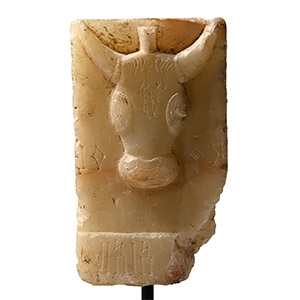
South Arabian Alabaster Plaque with Bull's Head
3rd-1st century B.C.Sold for (Inc. bp): £910
Comprising a square panel with a bull's head in low-relief, striated eyes and flaring nostrils, a thick tuft of hair arranged between the eyes, shallow acanthus leaf between curved horns, inscription on the rectangular space at the bottom of the panel; mounted on a custom-made display stand. 2.09 kg total, 19.8 cm including stand
UK collection, 1990s. Acquired on the UK art market, before 2000. Private collection, Mr M.V., a London-based businessman.
The presence of these representations in South Arabian cemeteries attests to the importance of the bull in the religious iconography of pre-Islamic Arabia. -
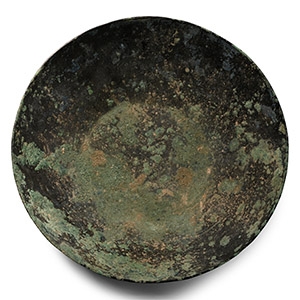
Western Asiatic Bronze Bowl
Mid 1st millennium B.C.Sold for (Inc. bp): £117
Broad and squat with tapering sidewall. 333 grams, 20.5 cm
Ex 1990s collection and with a central London gallery.
