
Loading, please wait...
LOT 1485
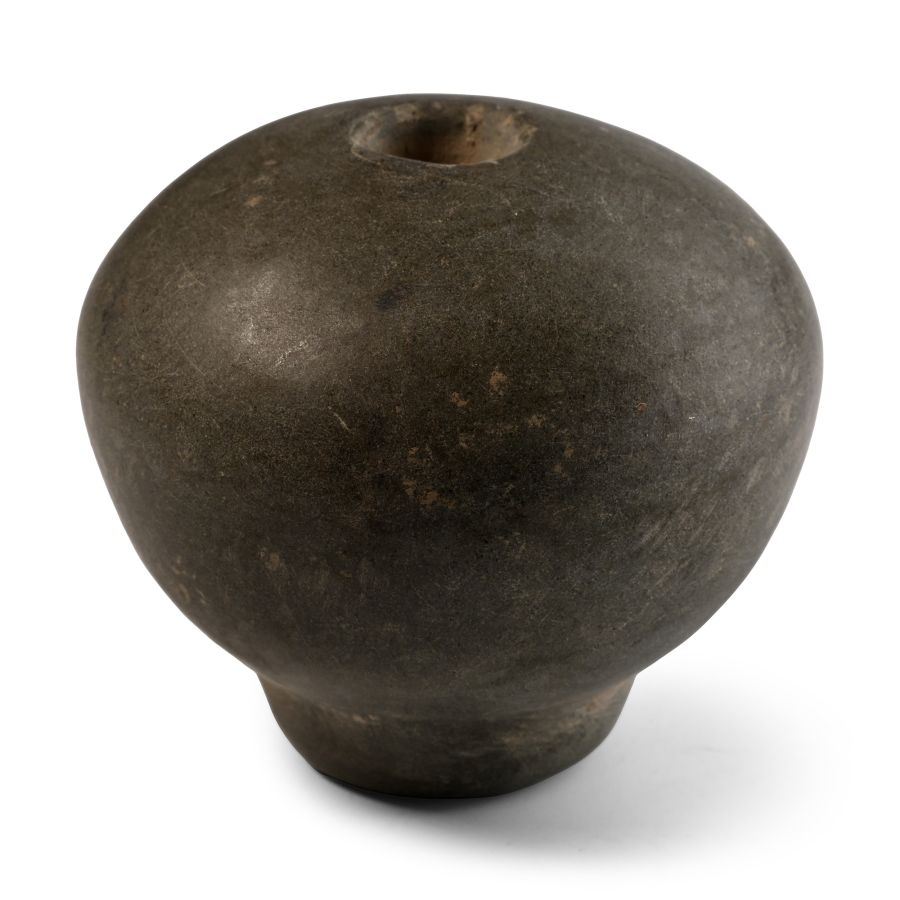
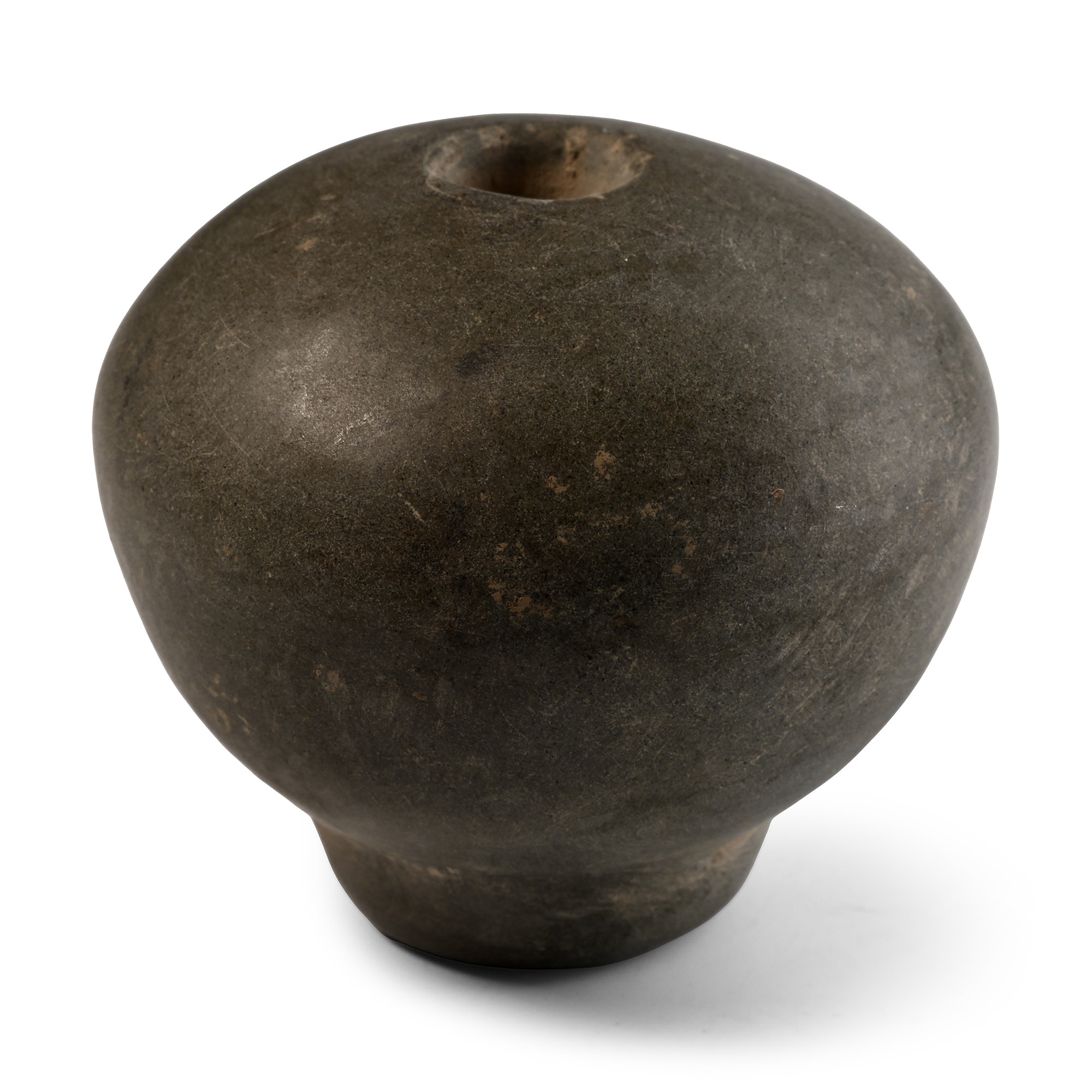
Mesopotamian Grey Stone Macehead
3RD-2ND MILLENNIUM B.C.
2 7/8 in. (442 grams, 73 mm).
Biconvex in profile with low tubular socket.
ProvenanceEx 1990s collection and with a central London gallery.
LiteratureCf. Gorelik, M., Weapons of Ancient East, IV millennium BC-IV century BC, Saint Petersburg, 2003, in Russian, see pl.XXX, no.89, from Megiddo, for similar.
CONDITIONTimeLine Auctions follows a vetting process to ensure the authenticity and legality of all items, reinforcing our commitment to integrity and responsible trading. Each antiquity, antique, and coin lot undergoes thorough examination by a vetting committee of at least ten external specialists, professional trade association members, scientists, and archaeologists: Our Vetting Process
AUCTIONS:
TimeLine is a leading auction house specialising in antiquities, ancient art, collectables, natural history, coins, medals, and books. Our auctions offer museums, collectors, historians, and enthusiasts the opportunity to acquire unique and historically significant pieces.
-
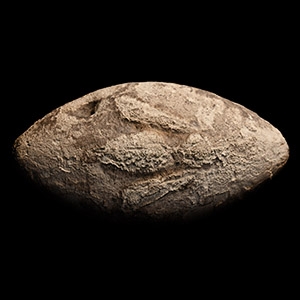
Hellenistic Rhodian Lead Slingshot with Bee
3rd century B.C.Sold for (Inc. bp): £208
Lentoid-section and depicting a bee to one side and inscription 'ΚΑΛΑ' on the other. 27.2 grams, 31 mm
Ex Norri collection, Milton Keynes, UK, 1980s-1990s.
The slingshots with an inscription ΚΑΛΑ are believed to originate from the island of Rhodes. On these sling bullets ΚΑΛΑ should be translated as “nice things.” Together with the Balearic slingers, Rhodian slingers were considered to be the best of the Hellenistic world, and they were also used in the Roman army. -
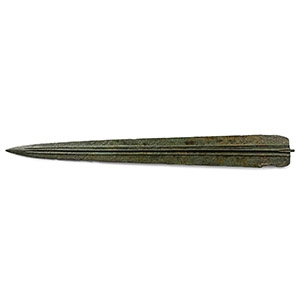
Luristan Bronze Short Sword with Blood Channels
1st millennium B.C.Sold for (Inc. bp): £286
Broad two-edged blade, leaf-shaped with short rectangular tang, corrugated midrib extending almost to the tip; rounded shoulders. 558 grams, 53 cm
with Archaeologia, Switzerland, before 1983. Ex private North American collection. London private collection, 2016. -
.jpg)
Byzantine Bronze Archer's Thumb Ring Group
10th-15th century A.D.Sold for (Inc. bp): £117
Comprising three variously sized rings, one with floral decoration. 17.4 grams total, 28-30 mm
Ex German art market, 2000s. Acquired from an EU collector living in London. From the collection of a Surrey, UK, gentleman.
