
Loading, please wait...
LOT 1118
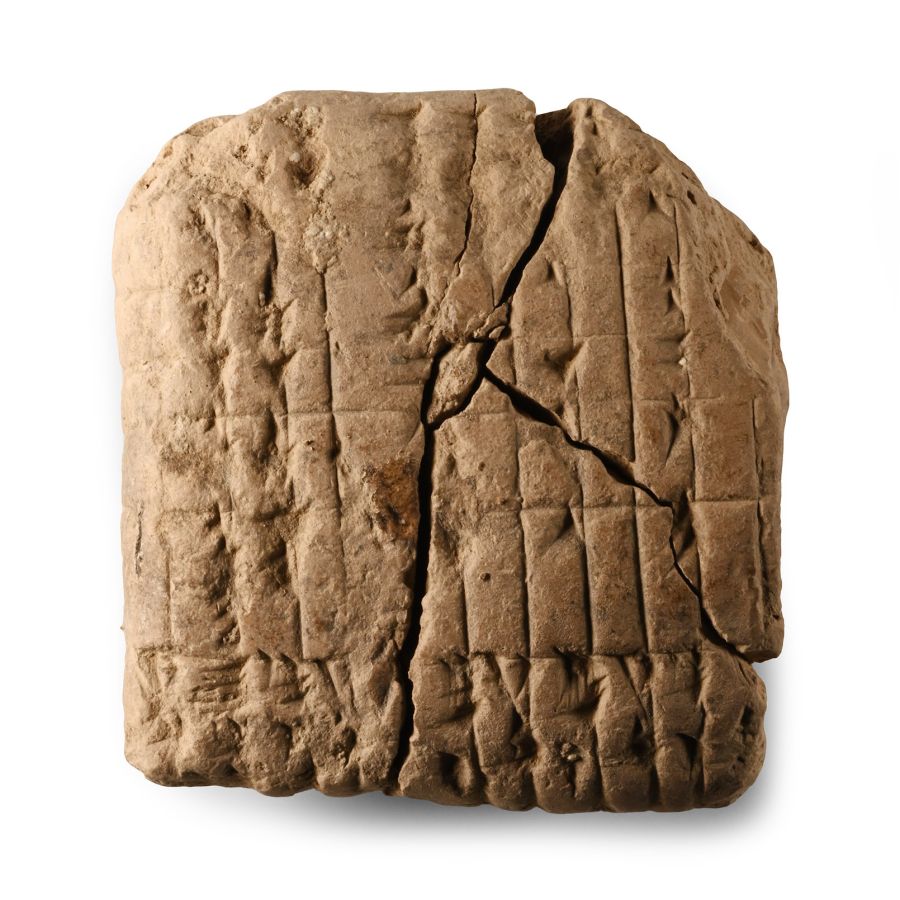
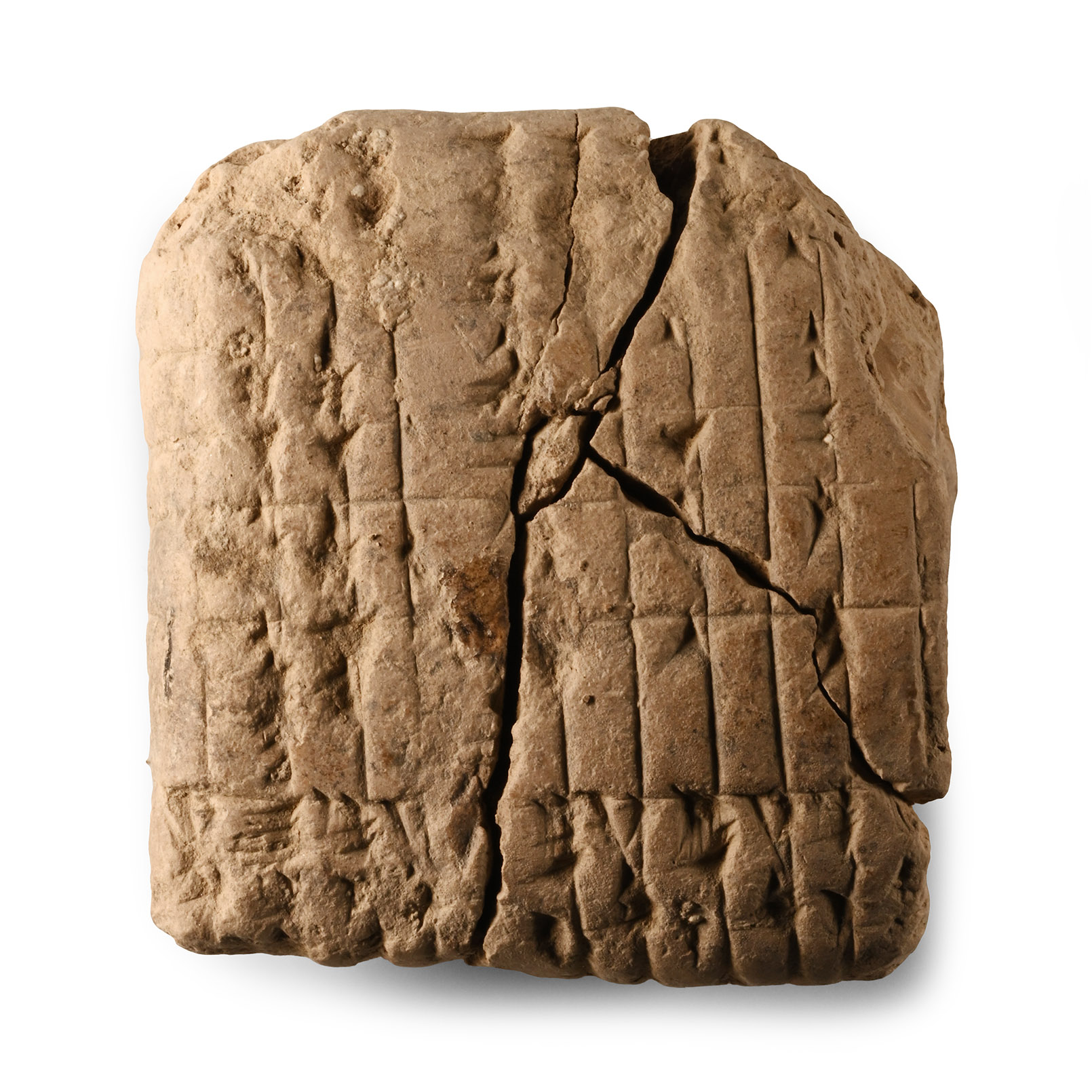
Mesopotamian Cuneiform Tablet
2ND MILLENNIUM B.C.
2 1/2 in. (123 grams, 63 mm).
Pillow-shaped clay tablet with cuneiform text to both broad faces and one edge; repaired. [No Reserve]
ProvenanceSpecialised collection of cuneiform texts, the property of a London gentleman and housed in London before 1992.
Thence by descent to family members.
Examined by Professor Wilfrid George Lambert FBA (1926-2011), historian, archaeologist, and specialist in Assyriology and Near Eastern archaeology, in the late 1980s and early 1990s.
This small collection is exceptional for the variety of types, including some very rare and well preserved examples.
TimeLine Auctions follows a vetting process to ensure the authenticity and legality of all items, reinforcing our commitment to integrity and responsible trading. Each antiquity, antique, and coin lot undergoes thorough examination by a vetting committee of at least ten external specialists, professional trade association members, scientists, and archaeologists: Our Vetting Process
AUCTIONS:
TimeLine is a leading auction house specialising in antiquities, ancient art, collectables, natural history, coins, medals, and books. Our auctions offer museums, collectors, historians, and enthusiasts the opportunity to acquire unique and historically significant pieces.
-
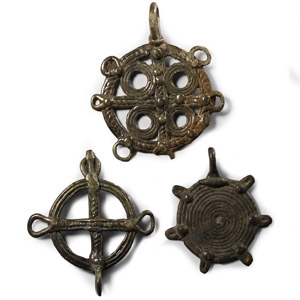
Amlash Bronze Openwork Pendant Group
2nd millennium B.C.Sold for (Inc. bp): £72
Comprising: one with spiralling plaque and pellets to loops on the outer perimeter; one with openwork geometric design composed of central cross and circle in each quarter, embellished with pellets and loops to perimeter; one with a central cross and four loops to the outer edge. 55.1 grams total, 54-69 mm
UK private collection before 2000. On the UK art market. Property of a London gentleman. -
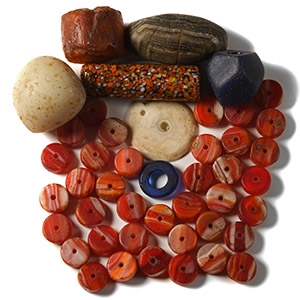
Mixed Glass and Stone Bead Group
20th century A.D. and earlierSold for (Inc. bp): £13
Including a tubular mosaic glass type, fusiform banded agate type, polyhedral lapis lazuli type, carnelian drum-shaped type and other beads. 99 grams total, 10-42 mm
From a collection acquired on the UK art market from various auction houses and collections mostly before 2000. From an important Cambridgeshire estate; thence by descent. -
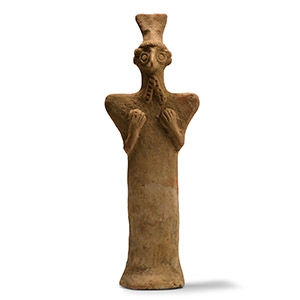
Syro-Hittite Terracotta Figure
1500-1200 B.C.Sold for (Inc. bp): £390
With lentoid-section body and flared base (restored); the face with pinched profile, tall headdress with transverse segmented peak, applied disc eyes, applied chevron beard, hands raised to the chest. 150 grams, 20 cm
Previously with Alex Szolin, Nottingham, UK. Ex Gerrard collection, 1990s.
