
Loading, please wait...
LOT 1174
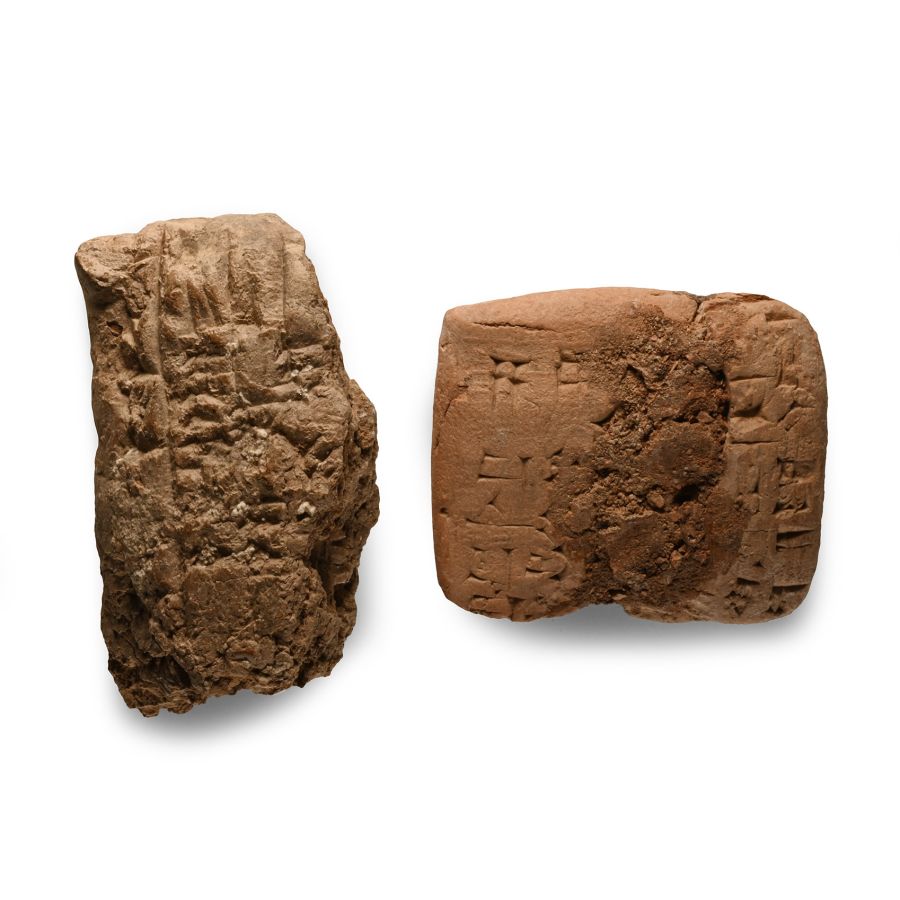
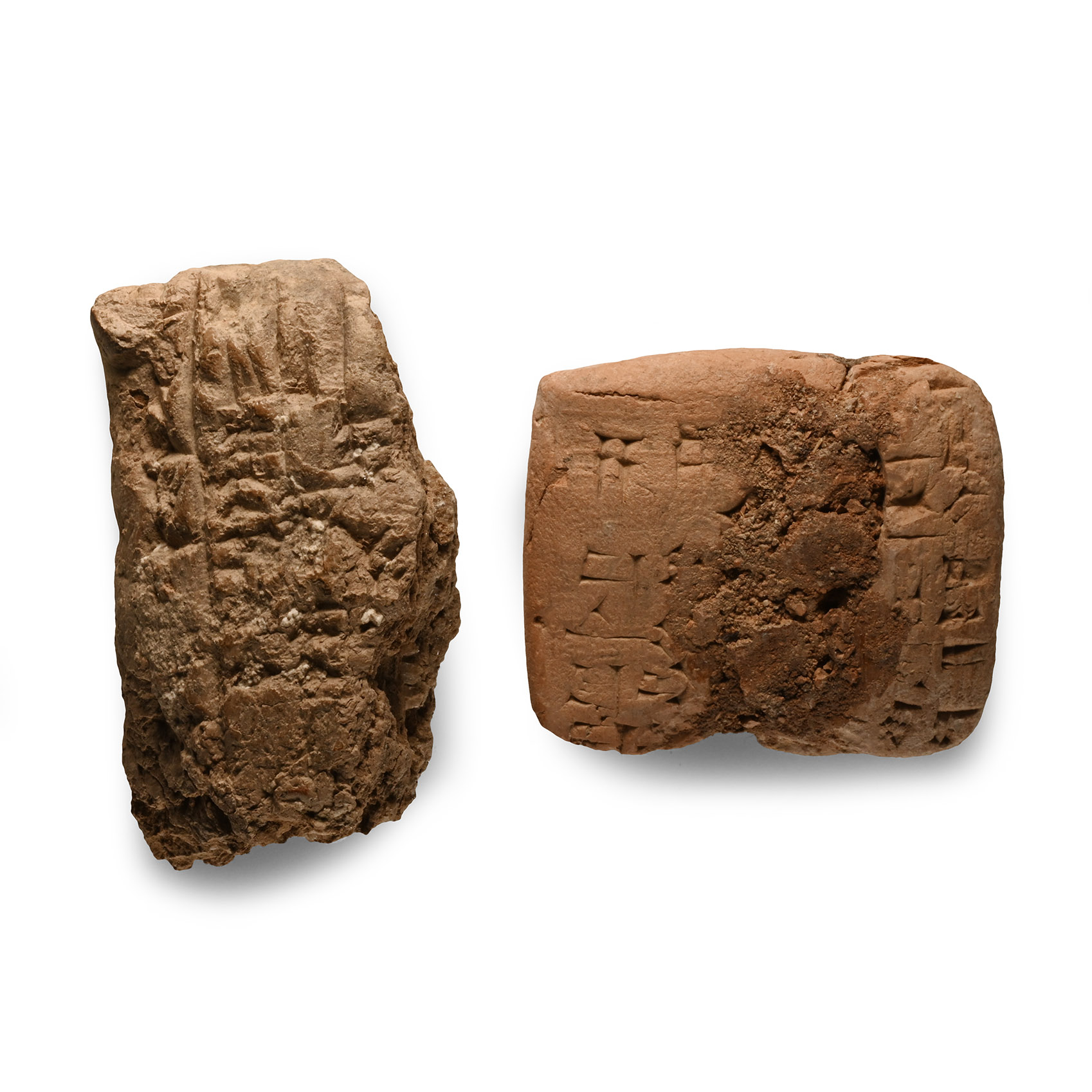
Mesopotamian Cuneiform Tablet Fragment Group
2ND MILLENNIUM B.C.
1 7/8 - 2 3/8 in. (93.8 grams total, 48-61 mm).
Group of two pillow-shaped clay tablets each with cuneiform text to one broad face; repaired. [2, No Reserve]
ProvenanceSpecialised collection of cuneiform texts, the property of a London gentleman and housed in London before 1992.
Thence by descent to family members.
Examined by Professor Wilfrid George Lambert FBA (1926-2011), historian, archaeologist, and specialist in Assyriology and Near Eastern archaeology, in the late 1980s and early 1990s.
This small collection is exceptional for the variety of types, including some very rare and well preserved examples.
TimeLine Auctions follows a vetting process to ensure the authenticity and legality of all items, reinforcing our commitment to integrity and responsible trading. Each antiquity, antique, and coin lot undergoes thorough examination by a vetting committee of at least ten external specialists, professional trade association members, scientists, and archaeologists: Our Vetting Process
AUCTIONS:
TimeLine is a leading auction house specialising in antiquities, ancient art, collectables, natural history, coins, medals, and books. Our auctions offer museums, collectors, historians, and enthusiasts the opportunity to acquire unique and historically significant pieces.
-
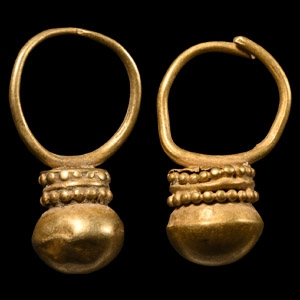
Western Asiatic Gold Earring Pair
1st millennium B.C.Estimate: £180 - 240 (+bp*)
Opening Bid: £100
Matched pair each with a split wire hoop, cell with beaded wire bands, hollow-formed biconvex finial. 3.18 grams, 20.5-21.8 mm
From a late Japanese specialist collector, 1970-2000s. -
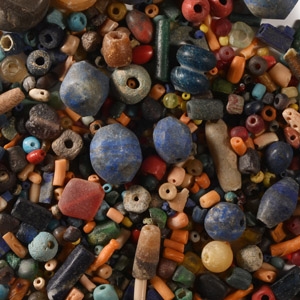
Western Asiatic and Other Bead Group
1st millennium B.C. and laterSold for (Inc. bp): £72
Comprising a large quantity of beads in various shapes and sizes in glass, stone, coral and lapis lazuli, including some large feature beads. 185 grams total, 2-26 mm
Ex property of a late Japanese collector, 1970-2000s. -
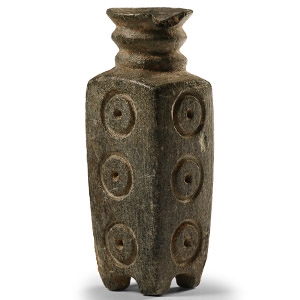
Bactrian Decorated Stone Kohl Pot
2nd millennium B.C.Sold for (Inc. bp): £98
With rectangular-section body and four stub feet, flared mouth with ribbed neck; the body decorated with three ring-and-dot motifs to each side. 33.13 grams, 53 mm
UK private collection before 2000. On the UK art market. Property of a London gentleman.
