
Loading, please wait...
LOT 0233
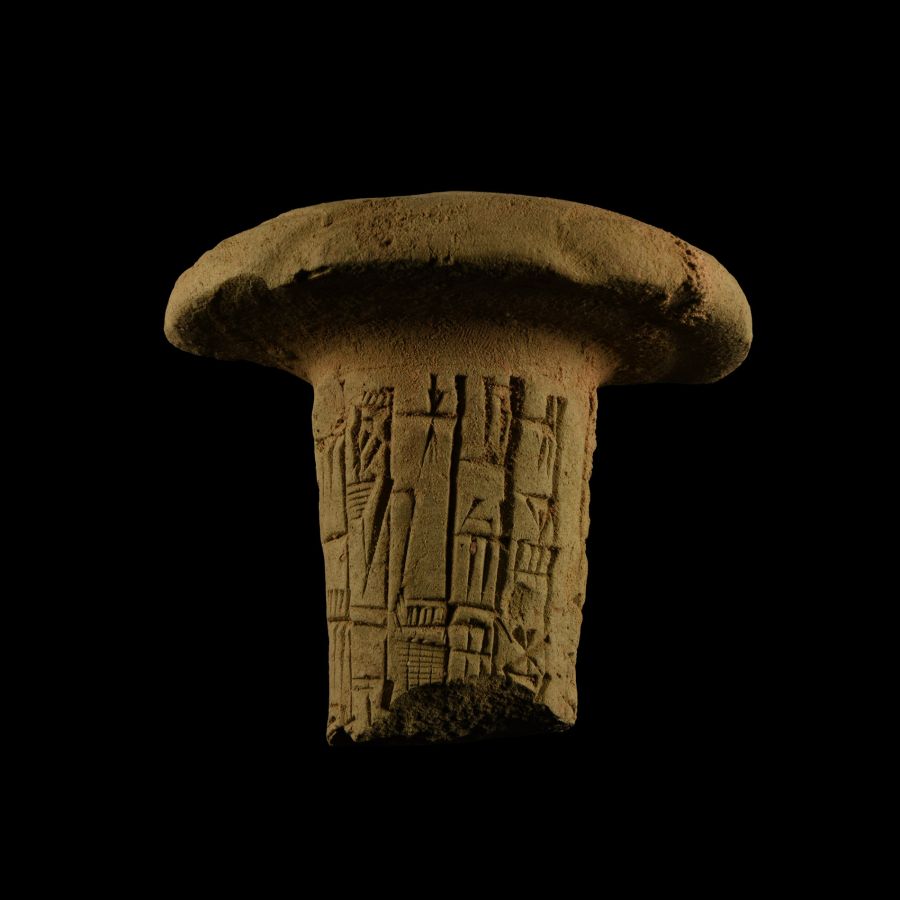
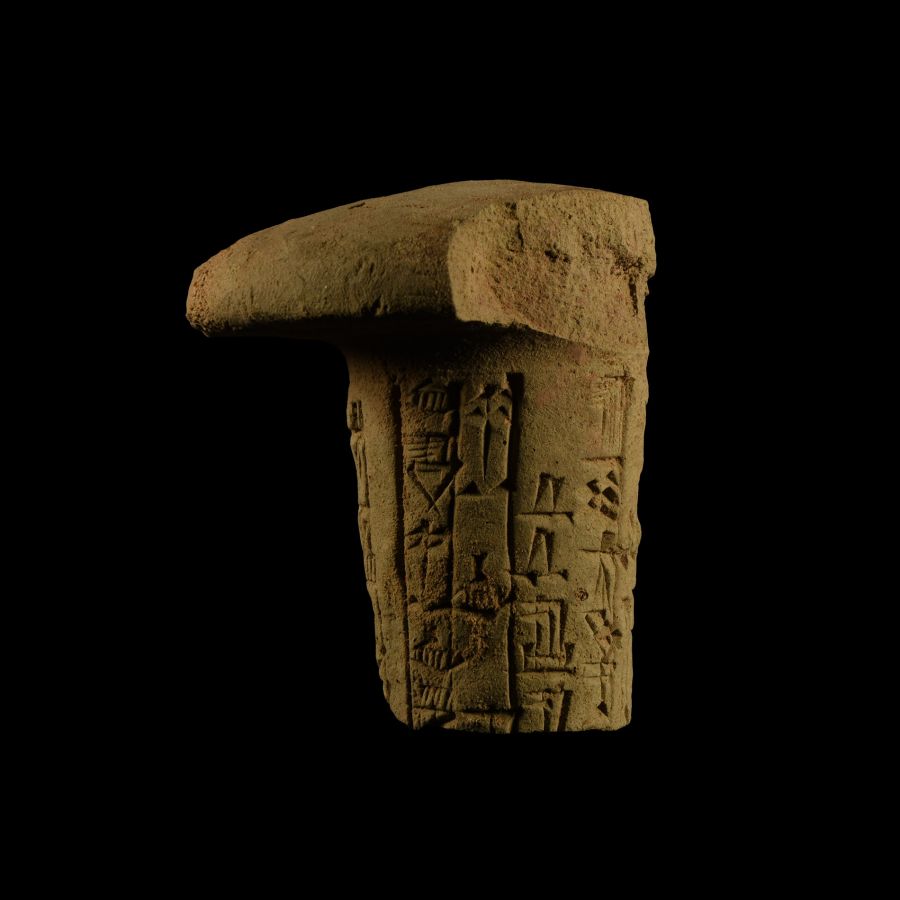
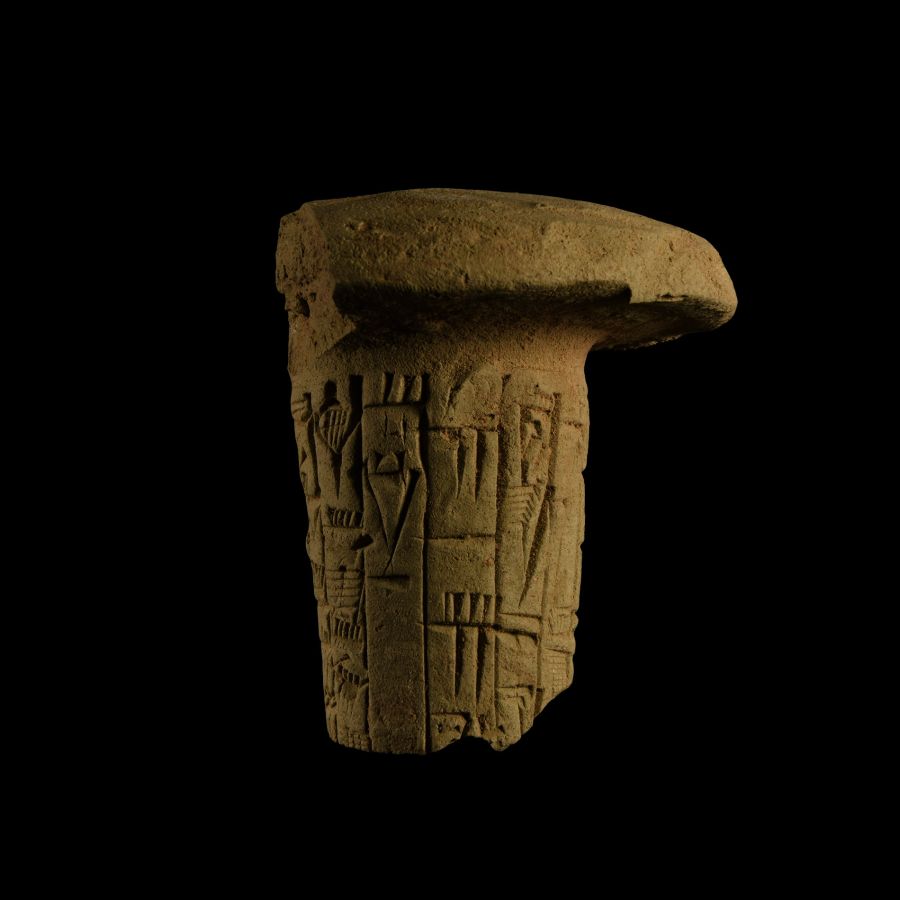
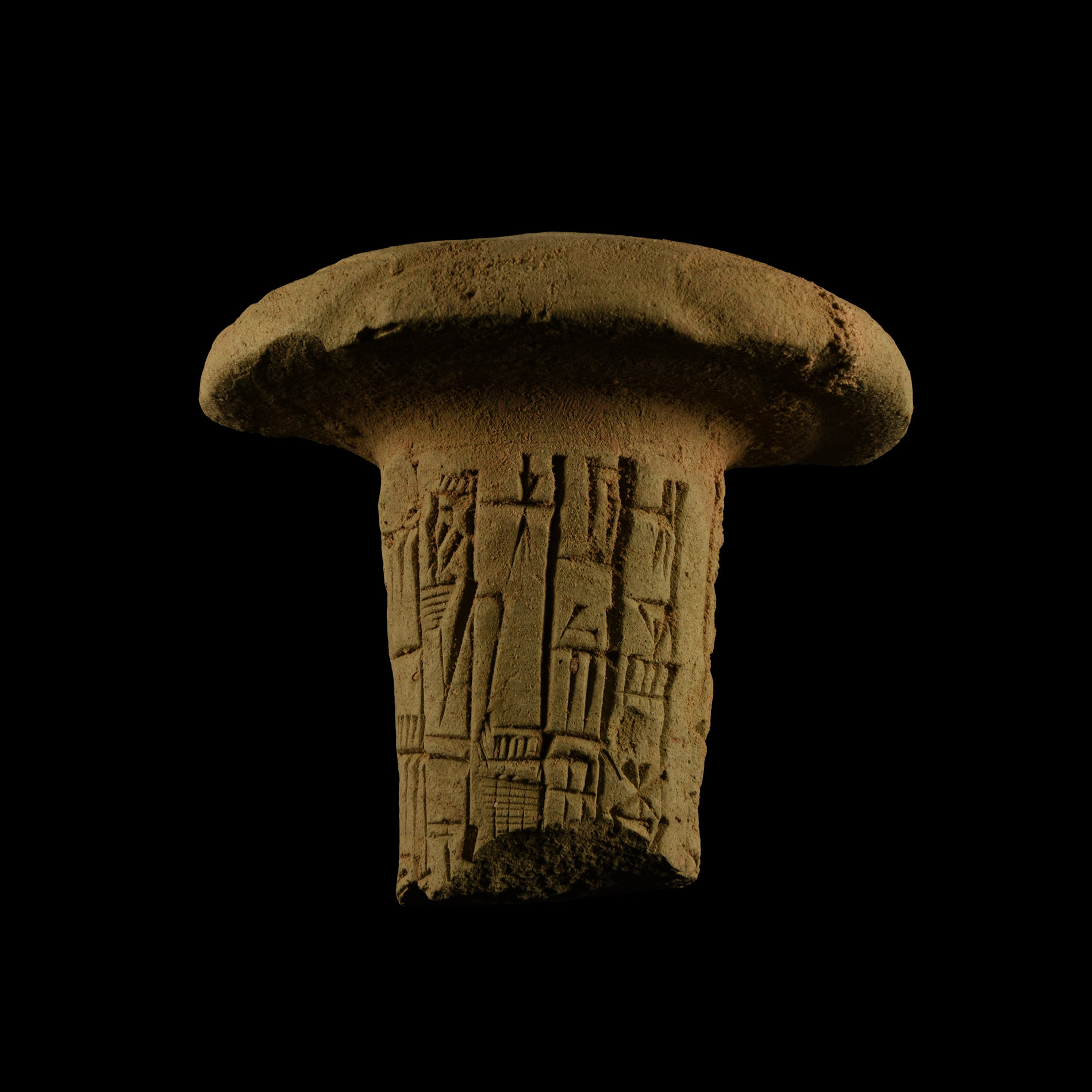
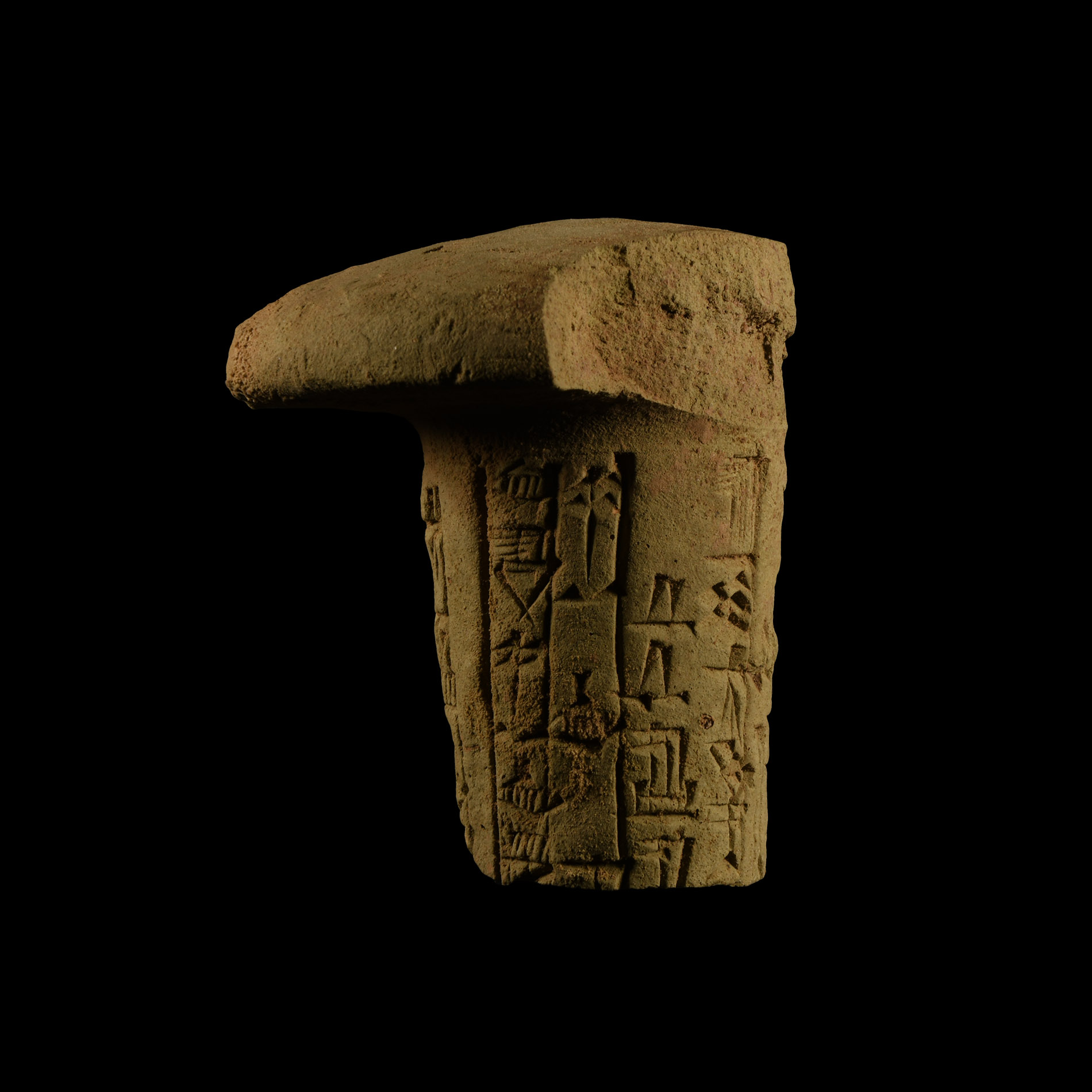
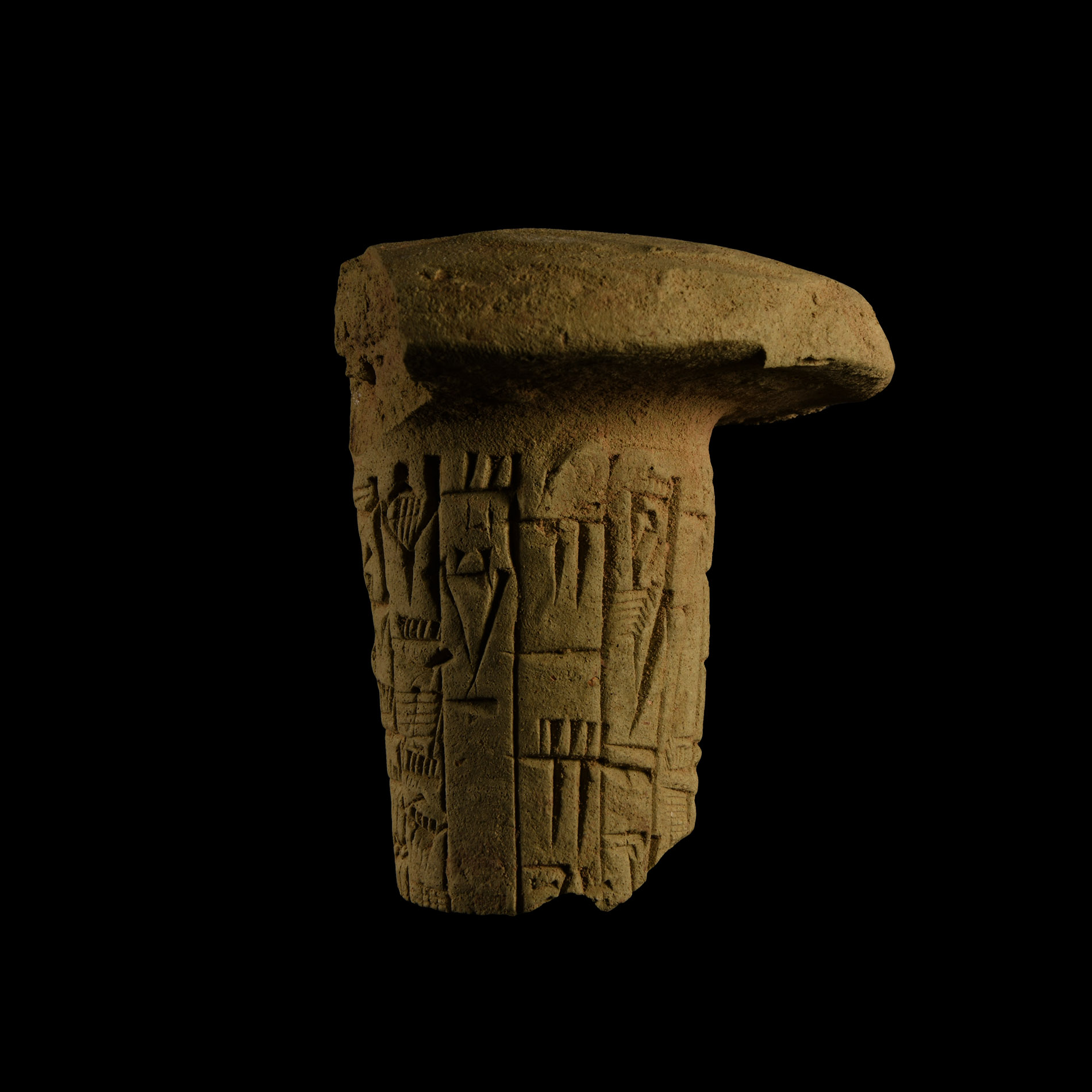
Mesopotamian Cuneiform Foundation Nail
3RD-2ND MILLENNIUM B.C.
3 3/4 in. (322 grams, 96 mm).
Conical foundation nail fragment with broad domed top, columns of cuneiform text to the shank.
ProvenanceAcquired in London in 1995.
European private collection.
Cf. similar item in the Metropolitan Museum of Art, New York, under accession no.45.90, for type.
FootnotesTemple nails or cones were placed in the foundations of newly-built temples. Their form imitates nails or pegs and they bear inscriptions stating the name of the reigning king and regnal year, and the god(s) to whom the temple was dedicated.
CONDITIONTimeLine Auctions follows a vetting process to ensure the authenticity and legality of all items, reinforcing our commitment to integrity and responsible trading. Each antiquity, antique, and coin lot undergoes thorough examination by a vetting committee of at least ten external specialists, professional trade association members, scientists, and archaeologists: Our Vetting Process
AUCTIONS:
TimeLine is a leading auction house specialising in antiquities, ancient art, collectables, natural history, coins, medals, and books. Our auctions offer museums, collectors, historians, and enthusiasts the opportunity to acquire unique and historically significant pieces.
-
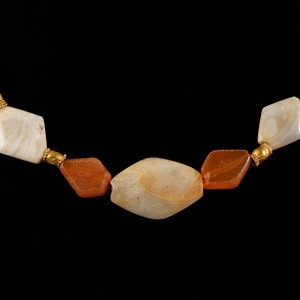
Western Asiatic Gold and Stone Bead Necklace
1st millennium B.C.Estimate: £700 - 900 (+bp*)
Opening Bid: £350
Restrung with gold barrel-shaped spacer beads, agate and carnelian flattish diamond-shaped beads. 48.2 grams, 44.5 cm
Collected from 1969-1999. From the collection of the late Mr S.M., London, UK. Accompanied by a previous catalogue identification card. -
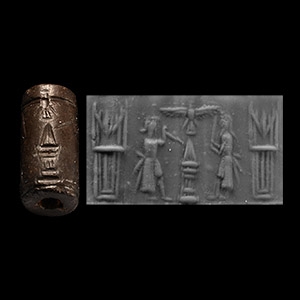
Mesopotamian Haematite Cylinder Seal with Altar
2nd-1st millennium B.C.Sold for (Inc. bp): £910
With intaglio frieze depicting two worshippers addressing an altar with faravahar above, heavy barred door to the side; supplied with a museum-quality impression. 2.83 grams, 17 mm
Ex S collection, London, UK, 1980-1990s. -
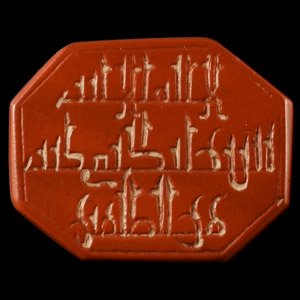
Western Asiatic Gemstone with Kufic Inscription
20th century A.D.Sold for (Inc. bp): £52
Octagonal form bearing Kufic script over three lines to one face; possibly red jade or jasper. 4.29 grams, 25 mm
with a London, UK gallery 1971-early 2000s.
