
Loading, please wait...
LOT 1159
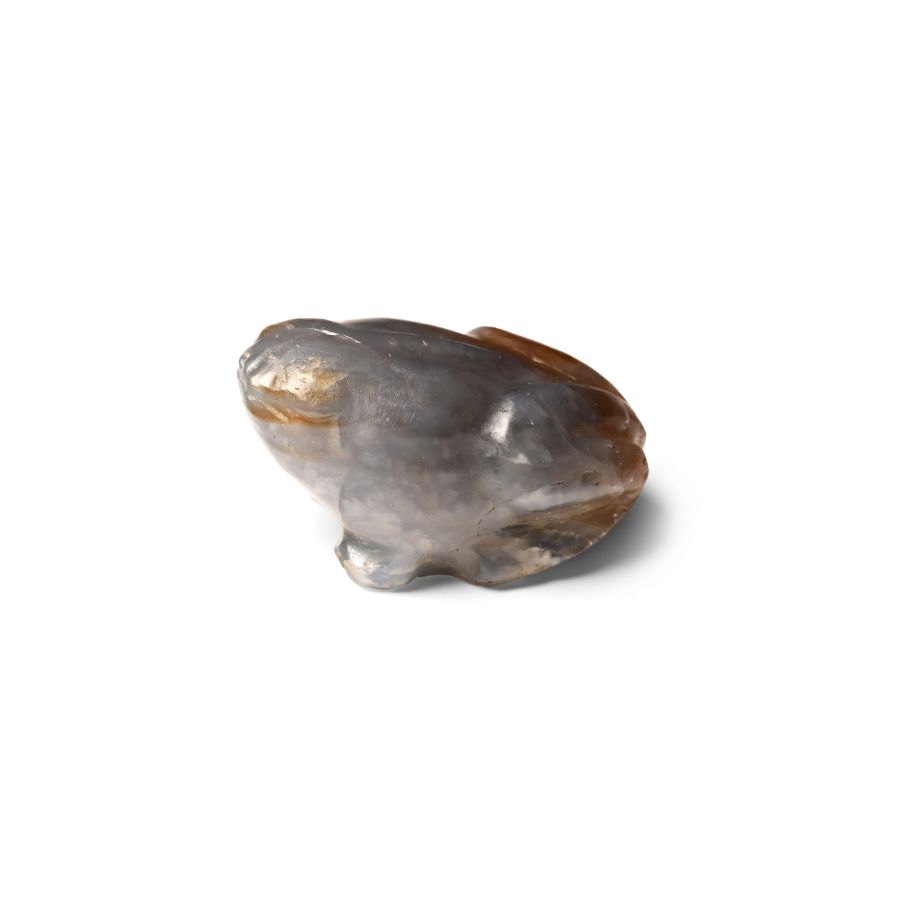
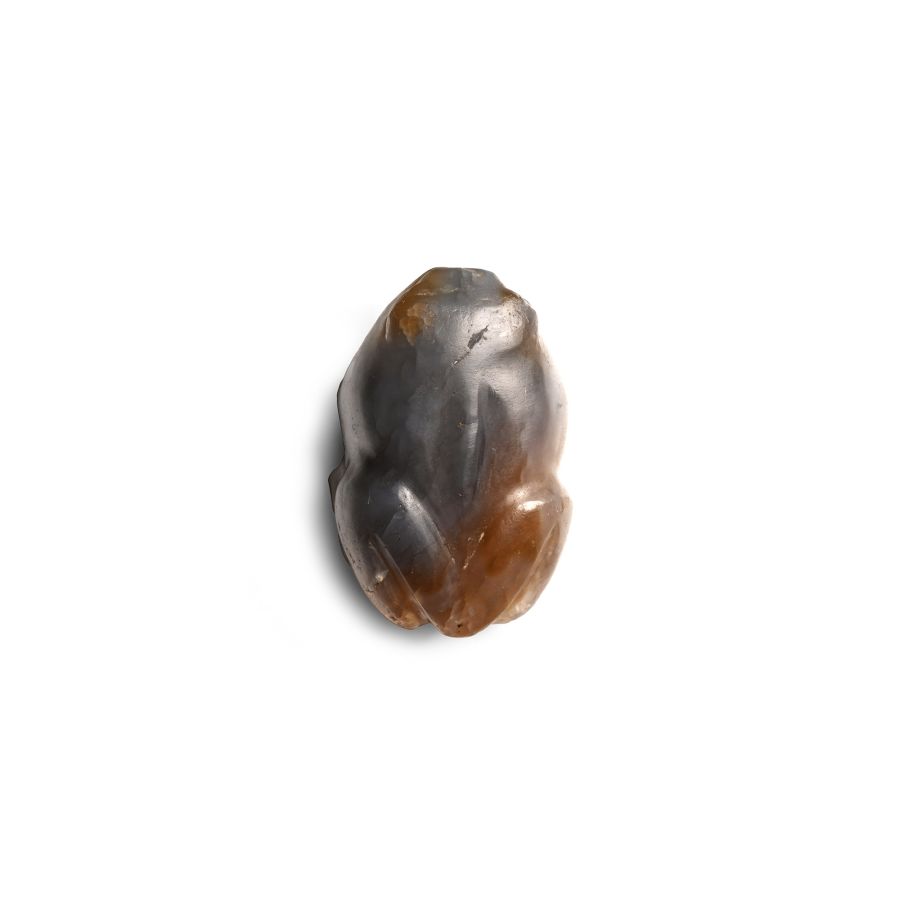
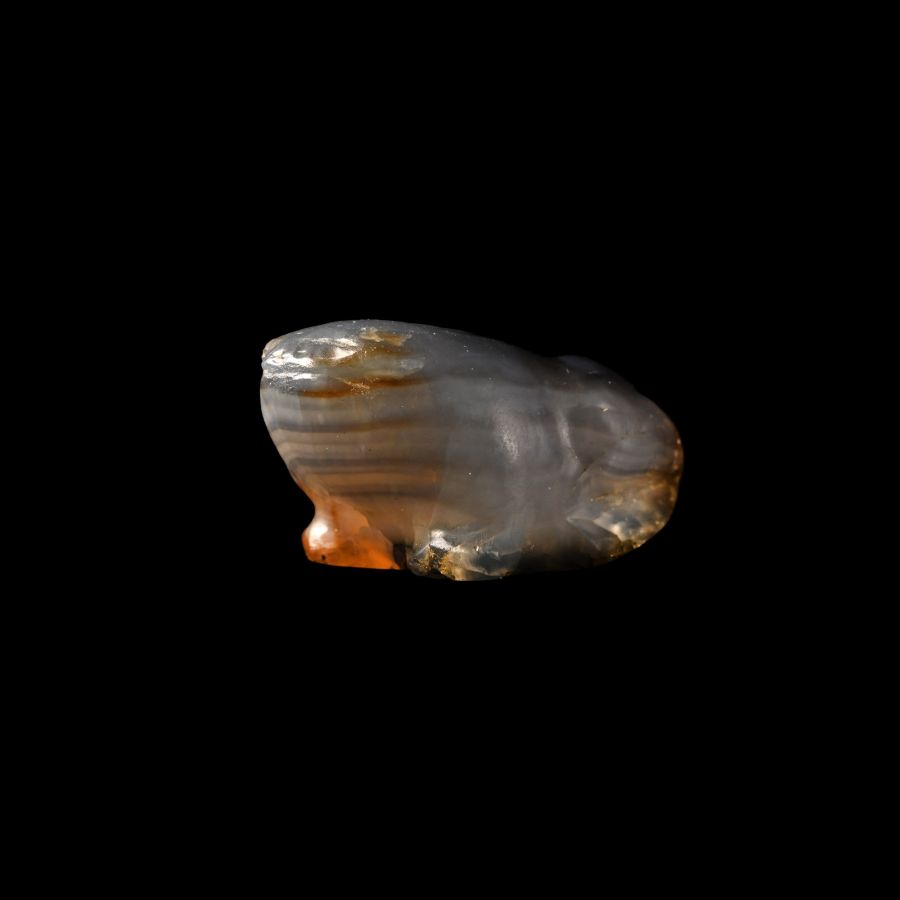
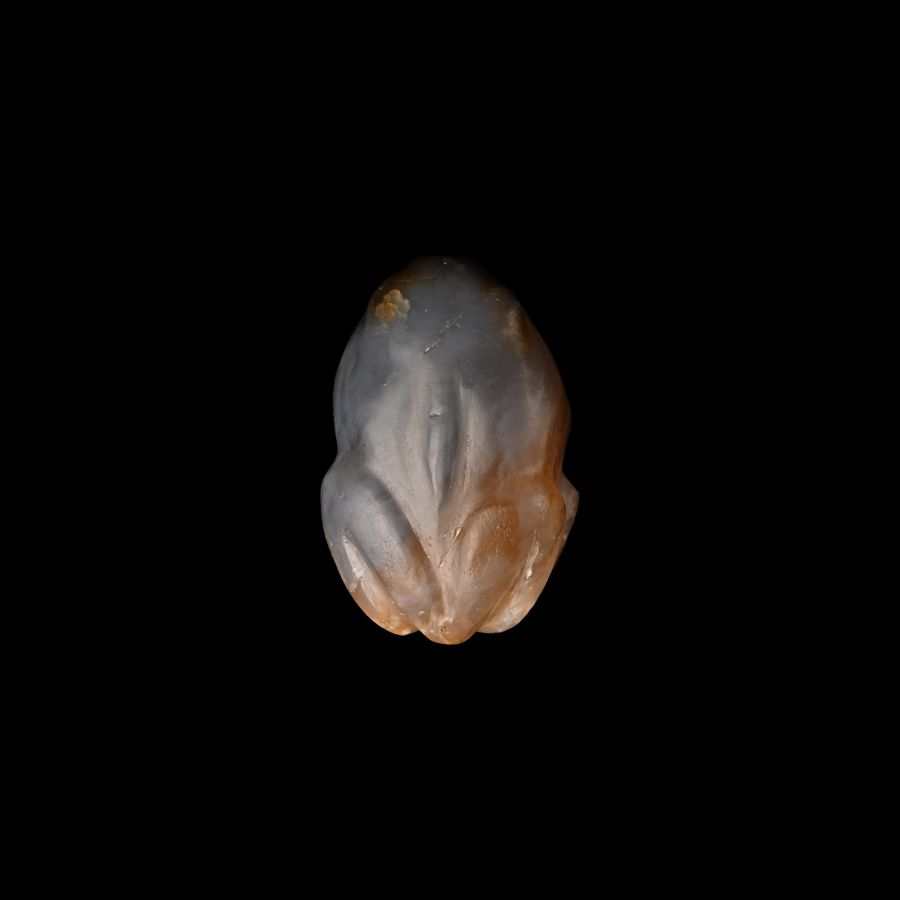
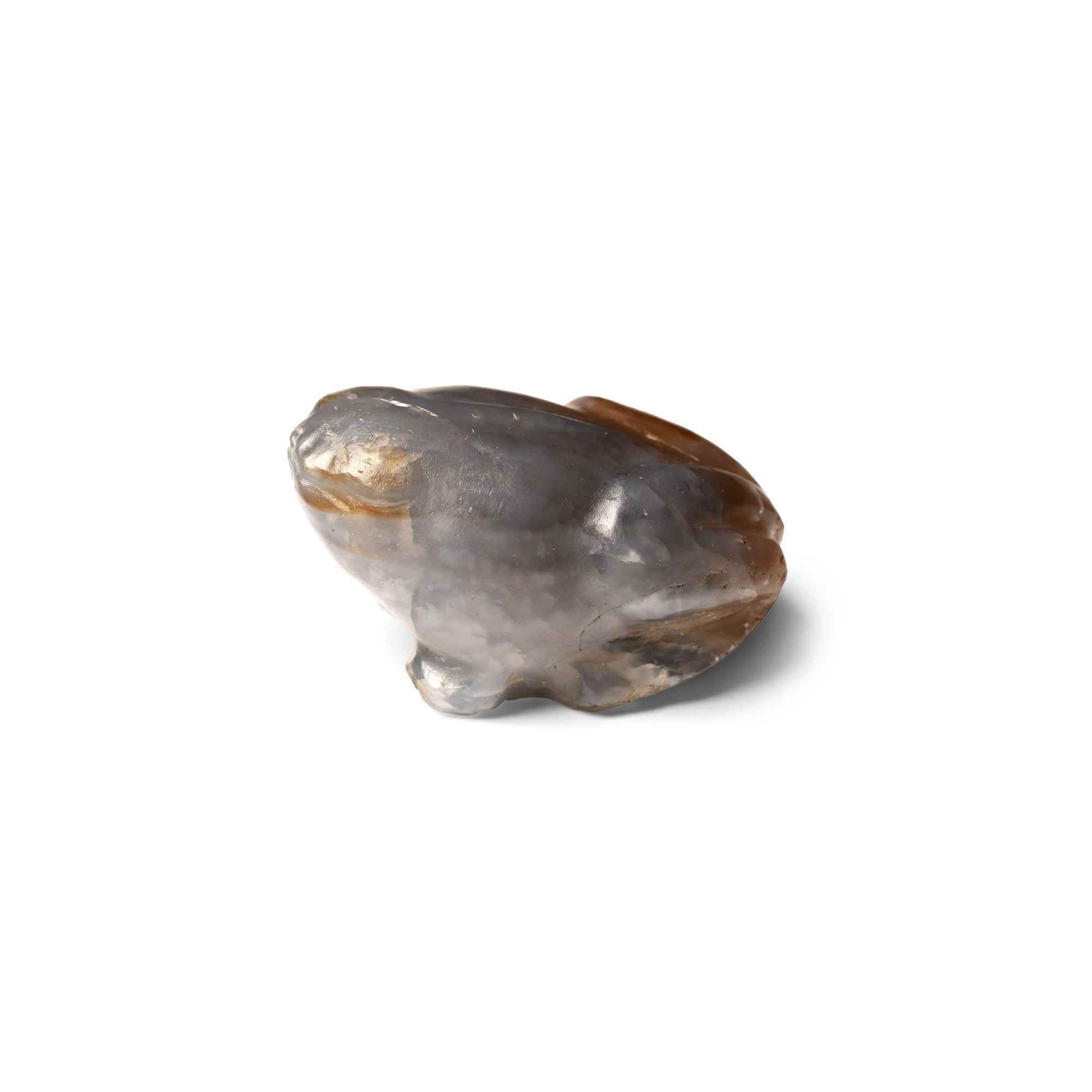
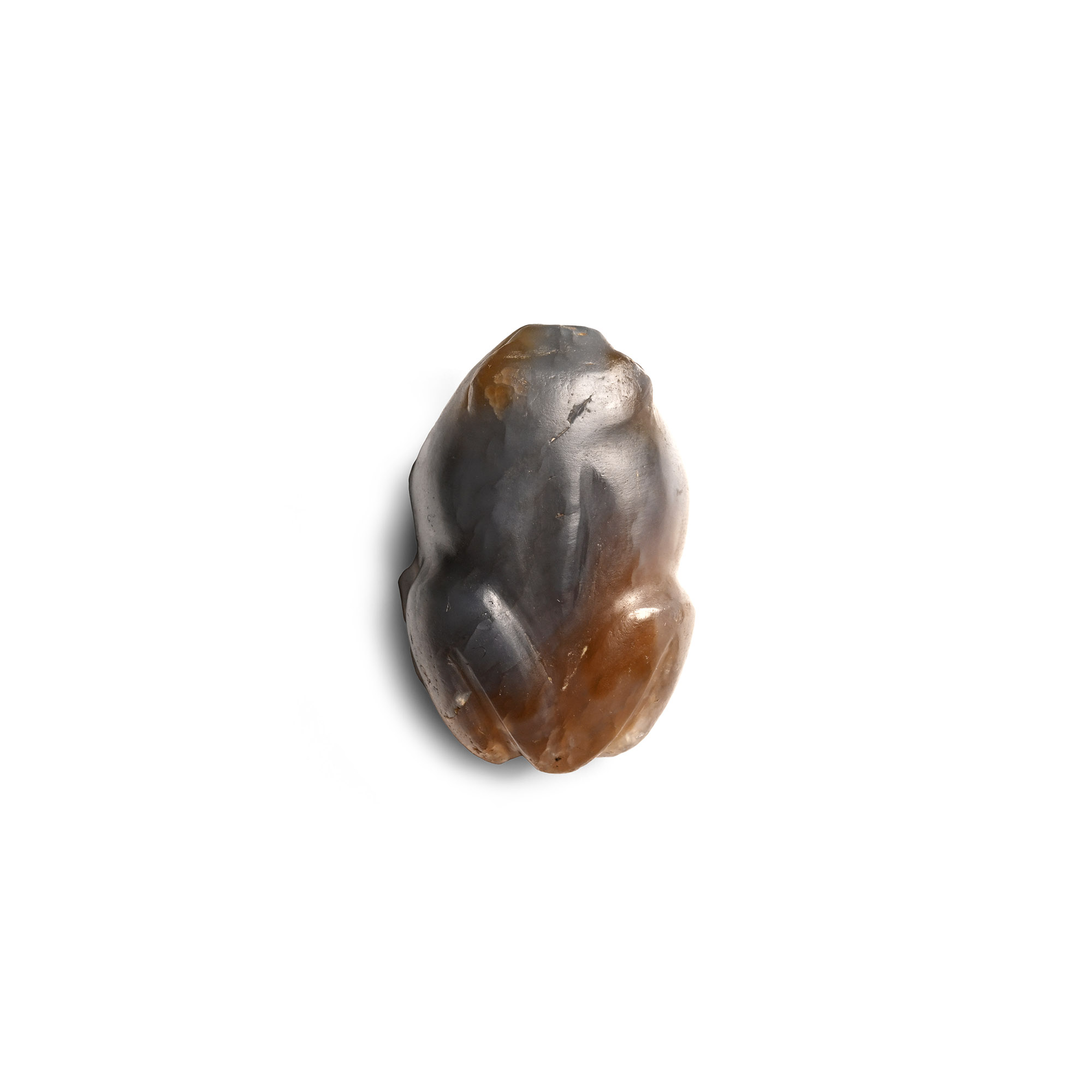
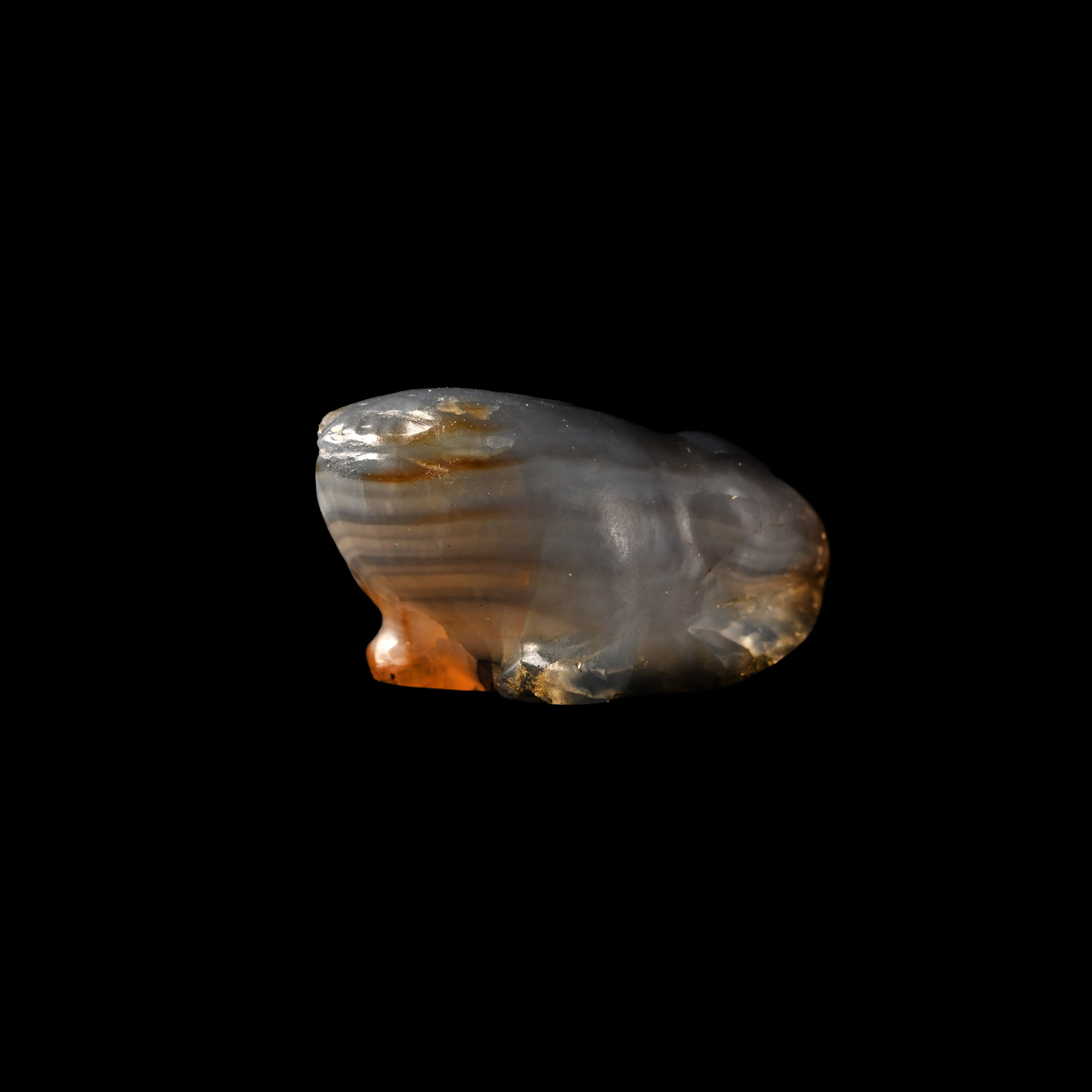
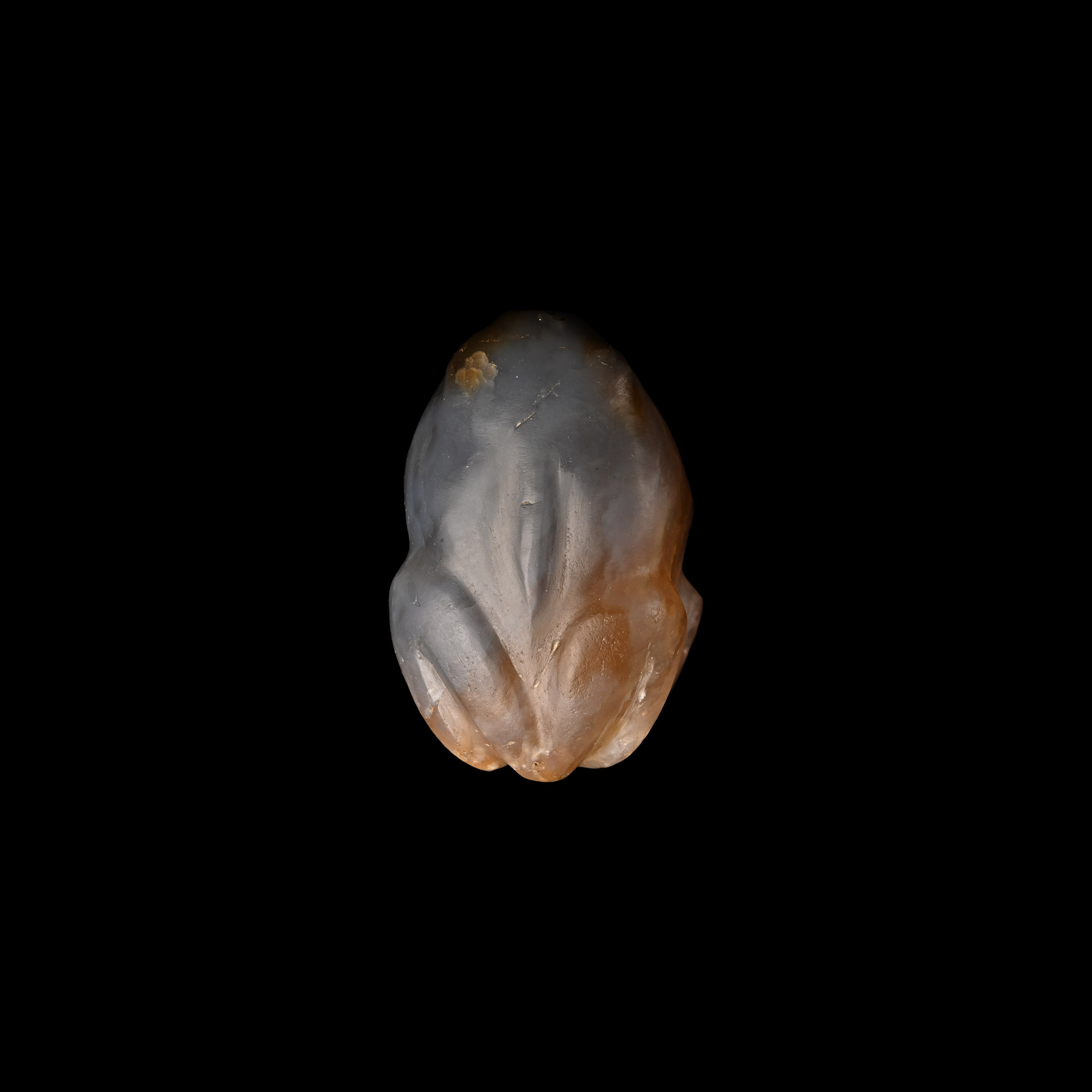
Mesopotamian Blue Agate Frog Amulet
2ND MILLENIUM B.C.
1 1/8 in. (11 grams, 28 mm).
Carved in the round as a squatting frog with lightly incised facial detailing, raised middorsal detailing.
ProvenanceEx Marc Labarbe, Toulouse, no.735, November 2007.
with Galerie Rhéa, Zurich, Switzerland.
This lot has been checked against the Interpol Database of stolen works of art and is accompanied by a search certificate number no.12748-236395.
This lot has been cleared against the Art Loss Register database, and is accompanied by an illustrated lot declaration signed by the Head of the Antiquities Department, Dr Raffaele D'Amato.
TimeLine Auctions follows a vetting process to ensure the authenticity and legality of all items, reinforcing our commitment to integrity and responsible trading. Each antiquity, antique, and coin lot undergoes thorough examination by a vetting committee of at least ten external specialists, professional trade association members, scientists, and archaeologists: Our Vetting Process
AUCTIONS:
TimeLine is a leading auction house specialising in antiquities, ancient art, collectables, natural history, coins, medals, and books. Our auctions offer museums, collectors, historians, and enthusiasts the opportunity to acquire unique and historically significant pieces.
LOT 1159
Mesopotamian Blue Agate Frog Amulet
Estimate £2,000 - 3,000€2,320 - 3,480 (for guidance only)$2,700 - 4,050 (for guidance only)
-
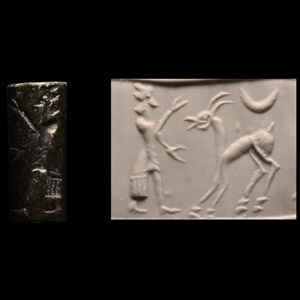
Iranian Black Stone Cylinder Seal with Figure Dressed in Robes
Circa 800-500 B.C.Sold for (Inc. bp): £442
Cylinder with cord and bead handles; accompanied by a copy of an old scholarly note, typed and signed by W.G. Lambert, late Professor of Assyriology, University of Birmingham, 1970-1993, which states: 'Cylinder Seal of Black Stone, 23.5 x 10.5 mm. The design shows a standing figure dressed on a long robe open at the front from which one leg projects while holding out both hands, one up the other more down. Before him is a standing quadruped with horns, and in the sky is the lunar crescent. This is a rare Iranian seal type from South West Iran, dating c. 800-500 B.C. So far none have some from excavations, but they have been known on the market for some time. They all share the characteristic pose of the hands and a certain crudity of execution. This one is in fine condition.'; supplied with a museum-quality impression. 5.9 grams, 23 mm
UK private collection, acquired 1980-1983. Accompanied by a copy of a scholarly note, typed and signed by Professor Wilfrid George Lambert in July 1991. This lot has been cleared against the Art Loss Register database, and is accompanied by an illustrated lot declaration signed by the Head of the Antiquities Department, Dr Raffaele D'Amato. -
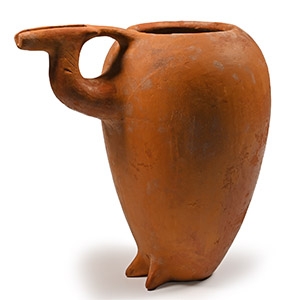
Luristan Terracotta Jar with Bird Feet and Spout
1st millennium B.C.Sold for (Inc. bp): £234
Comprising a tall piriform body with small feet radiating from the base, narrow u-section spout representative of a bird's head. 626 grams, 19.5 cm high
Ex London, UK, collection, 1990s onwards. This lot has been cleared against the Art Loss Register database, and is accompanied by an illustrated lot declaration signed by the Head of the Antiquities Department, Dr Raffaele D'Amato. -
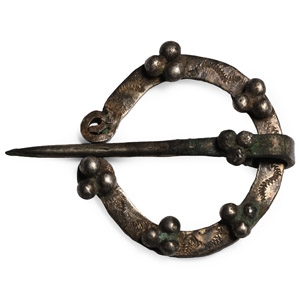
Sasanian Silver Penannular Brooch
3rd-4th century A.D.Sold for (Inc. bp): £169
Comprising a flat-section penannular bow with scrolled finials, granule-clusters to the upper face, tremolier ornament and thick pin. 10.5 grams, 44 mm
Acquired before 1983. Ex London gallery, 1990s. This lot has been cleared against the Art Loss Register database, and is accompanied by an illustrated lot declaration signed by the Head of the Antiquities Department, Dr Raffaele D'Amato.
