
Loading, please wait...
LOT 1123
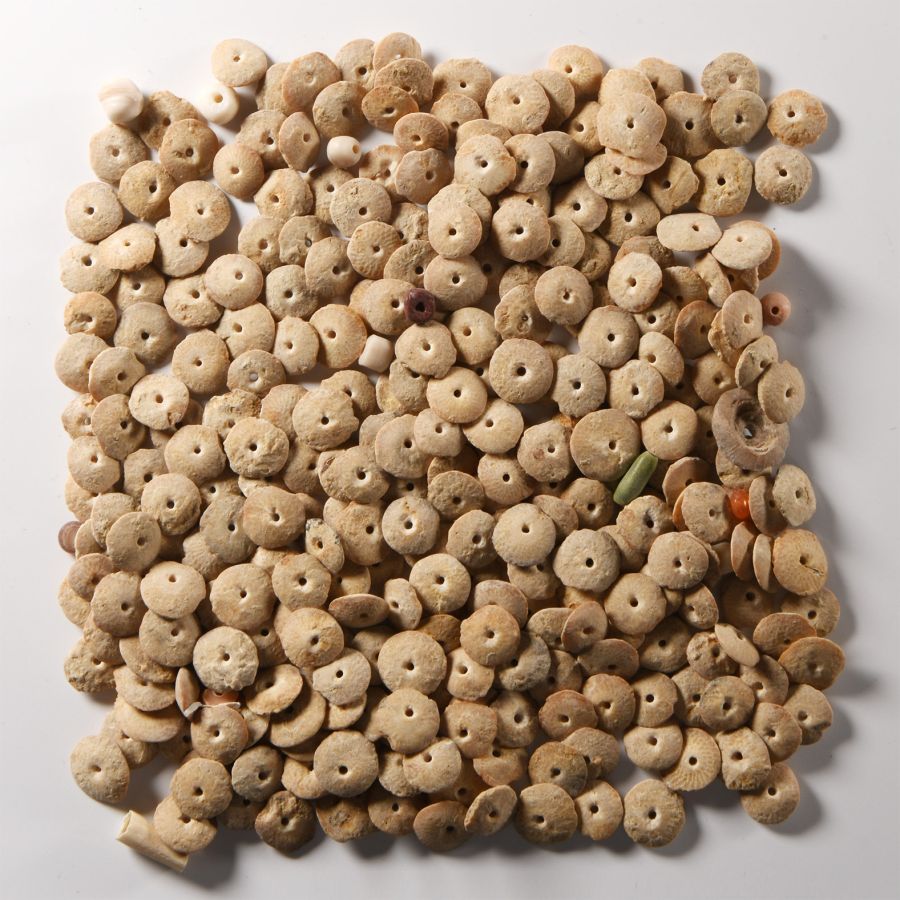
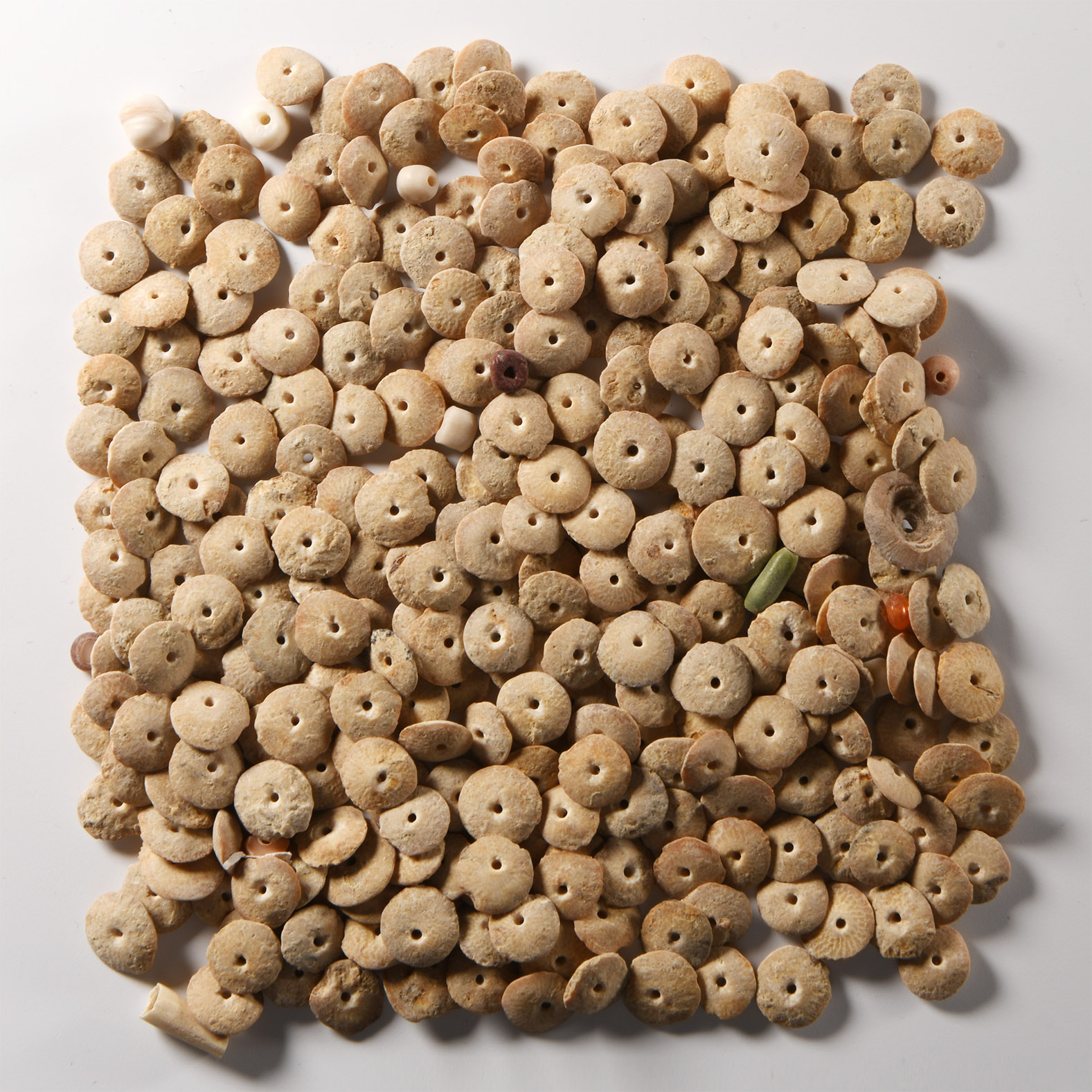
Mesopotamian Alabaster Lenticular Necklace Bead Group
CIRCA 3RD MILLENNIUM B.C.
1/8 - 3/8 in. (53 grams total, 3-10 cm).
Comprising a quantity of disc-shaped beads, each pierced for stringing. [No Reserve]
ProvenanceUK gallery, early 2000s.
LiteratureCf. Golani, A., Jewelry from the Iron Age II Levant, Zurich, 2013, fig.30.3, for similar beads
FootnotesWhile slaves and the poorest people wore simple, functional clothes, the wealthiest classes of Mesopotamia could afford beautifully made jewellery. The royal tombs from Sumeria dating from around 2500 B.C. included an abundance of beaded necklaces, rings, bracelets for the wrist and ankles, stickpins, and other jewellery, made of gold and silver set with decorative gemstones such as deep blue lapis lazuli, red carnelian, white alabaster, and sparkling crystals. In the Lugale-Mythos the Alabaster is personified like a hero: ‘(And) the hero Alabaster, these heroes plundered the cities for him (= Asag)’. The hematite and the limestone/alabaster, two stones with a light and dark base colour, were used as aids in a divinatory ritual in which they were probably connected with the favourable and unfavourable answers to oracle inquiries.
CONDITIONTimeLine Auctions follows a vetting process to ensure the authenticity and legality of all items, reinforcing our commitment to integrity and responsible trading. Each antiquity, antique, and coin lot undergoes thorough examination by a vetting committee of at least ten external specialists, professional trade association members, scientists, and archaeologists: Our Vetting Process
AUCTIONS:
TimeLine is a leading auction house specialising in antiquities, ancient art, collectables, natural history, coins, medals, and books. Our auctions offer museums, collectors, historians, and enthusiasts the opportunity to acquire unique and historically significant pieces.
-
.jpg)
Western Asiatic Gold Bead Group
7th-6th century B.C.Estimate: £500 - 700 (+bp*)
Opening Bid: £275
Mixed group beads of melon, oblate, and other types. 9.90 grams, 7-13 mm
Collected from 1969-1999. From the collection of the late Mr S.M., London, UK.
In the Phoenician civilization, there are numerous necklaces documenting a varied range of combinations of multiform beads with a prevalence of gold and silver pendants. -
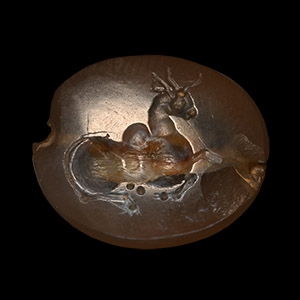
Graeco-Parthian Grey Chalcedony Stamp Seal with Horse
2nd century B.C.Sold for (Inc. bp): £390
Pierced longitudinally for suspension. 4.36 grams, 19 mm
Acquired between 1980-1983. From the 'Empire' collection, an important UK private collection of seals. -
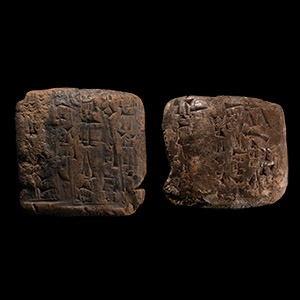
Mesopotamian Cuneiform Tablet Group with Administrative Tablet and a King Šu-Sin Tax Text
3rd-2nd millennium B.C.Sold for (Inc. bp): £1,105
Group of two pillow-shaped ceramic tablets both with cuneiform text to one broad face, one edge and part of the reverse, one an Ur III text from the reign of Šu-Sin related to a tax of the Ur kingdom. 77 grams total, 44-45 mm
Acquired in the 1970s. European private collection.
