
Loading, please wait...
LOT 0254
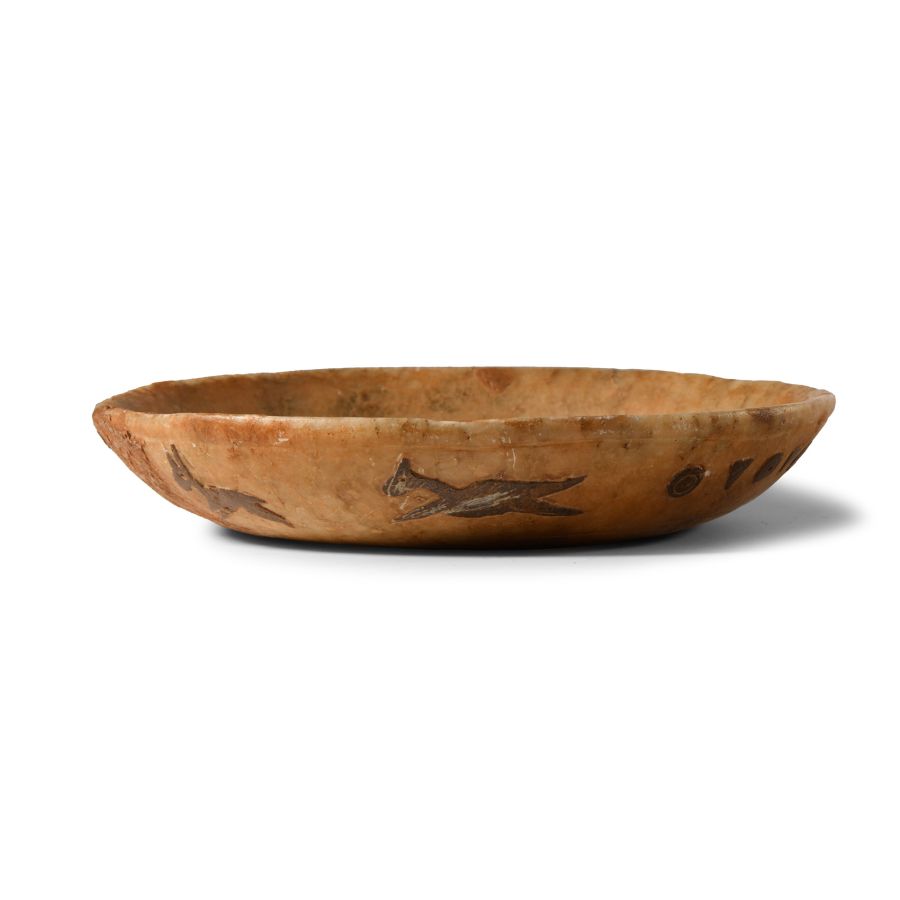
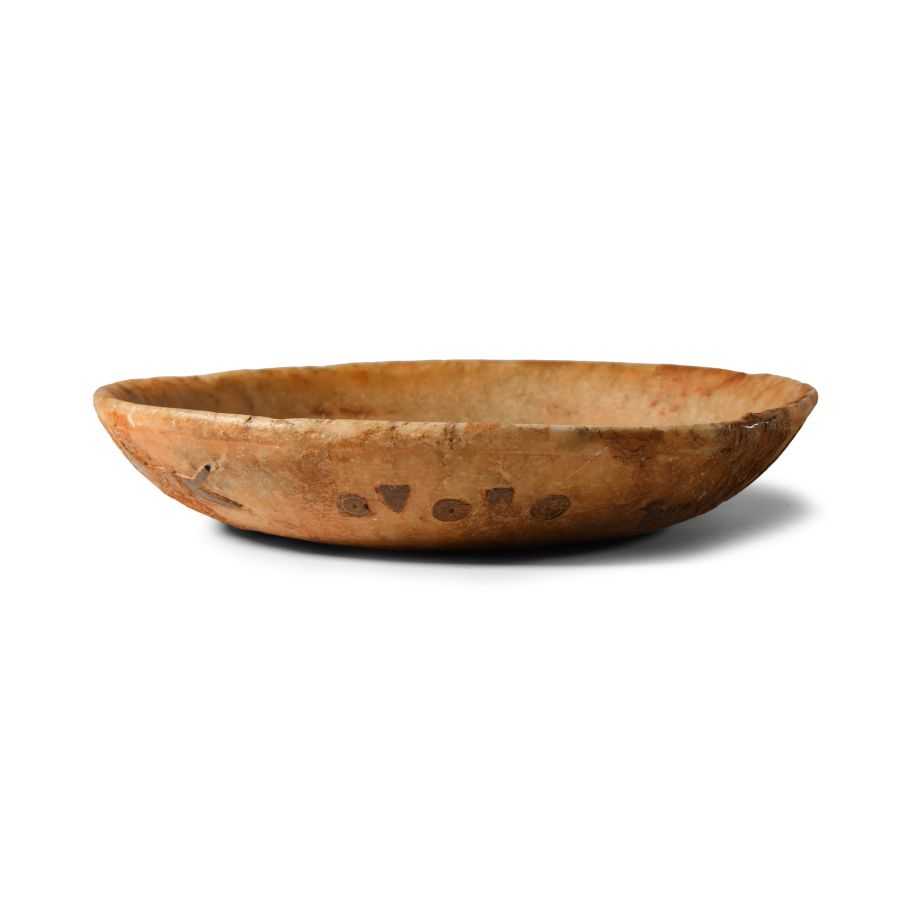
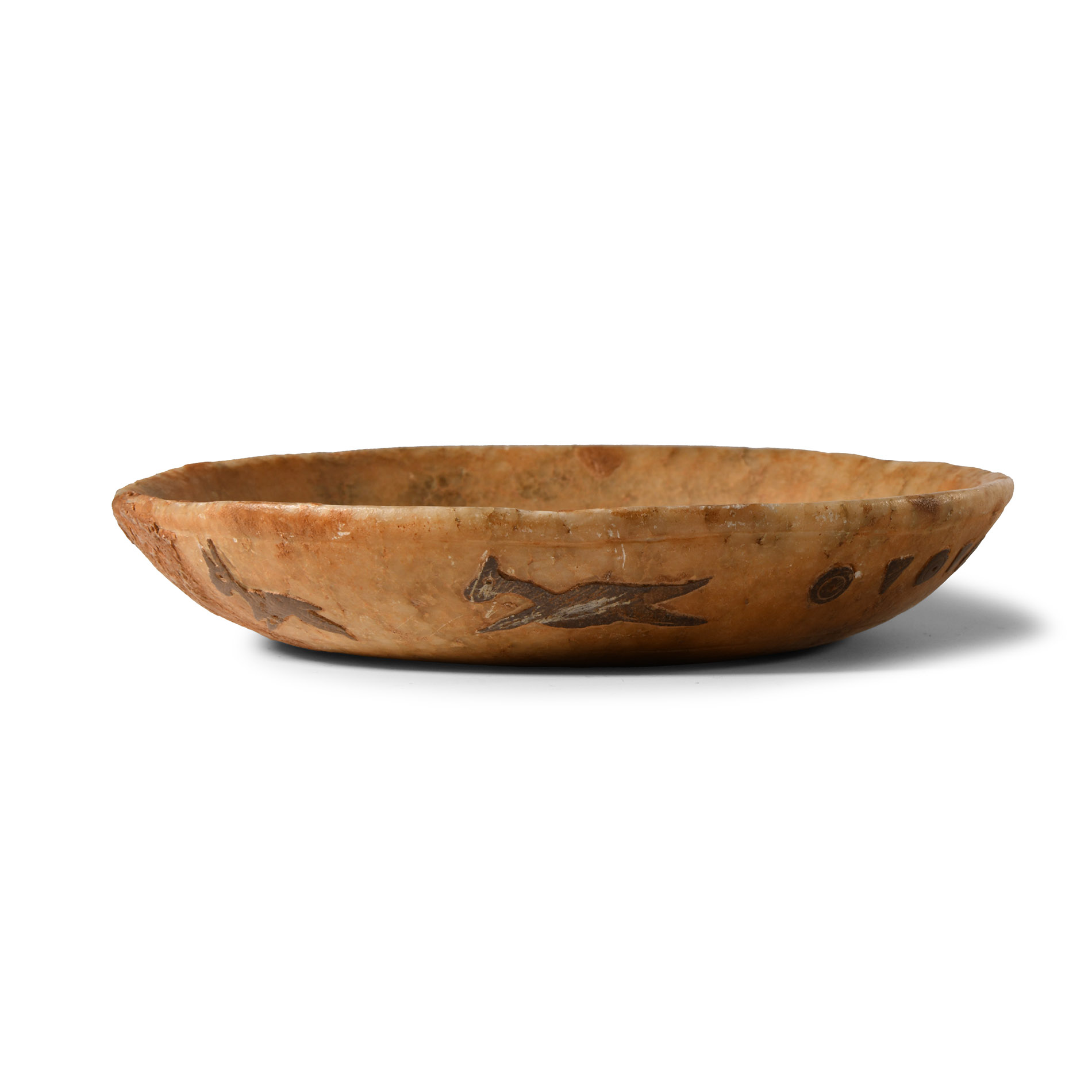
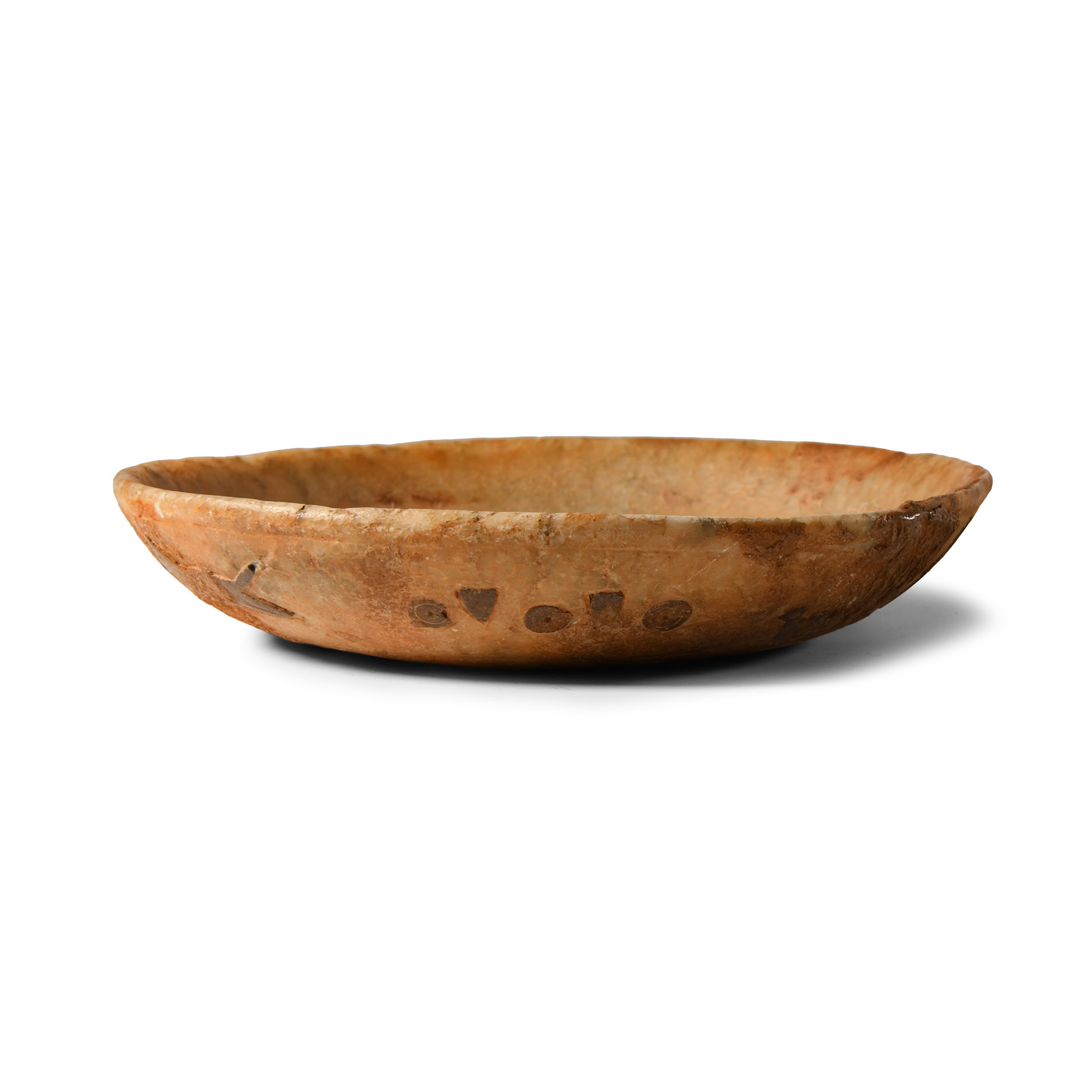
Mesopotamian Alabaster Bowl with Inlaid Animals
2ND-1ST MILLENNIUM B.C.
6 1/4 in. (347 grams, 16 cm wide).
Low dish or bowl with flared sidewall, inlaid appliqués to outer face formed as leaping animals, discs, birds and other types. [No Reserve]
ProvenanceFrom a collection acquired on the UK art market from various auction houses and collections mostly before 2000.
From an important Cambridgeshire estate; thence by descent.
TimeLine Auctions follows a vetting process to ensure the authenticity and legality of all items, reinforcing our commitment to integrity and responsible trading. Each antiquity, antique, and coin lot undergoes thorough examination by a vetting committee of at least ten external specialists, professional trade association members, scientists, and archaeologists: Our Vetting Process
AUCTIONS:
TimeLine is a leading auction house specialising in antiquities, ancient art, collectables, natural history, coins, medals, and books. Our auctions offer museums, collectors, historians, and enthusiasts the opportunity to acquire unique and historically significant pieces.
-
Anatolian Style Terracotta Rhyton
20th century A.D.Sold for (Inc. bp): £117
With tapering body and everted rim, zoomorphic finial with legs folded beneath the body, coiled horns and small spout at the chest. 491 grams, 19.3 cm
Ex London, UK, gentleman's collection. Property of a North London gentleman. -
Jordanian Terracotta Jar with Ledge Handles
Early Bronze Age, 3rd millennium B.C.Sold for (Inc. bp): £130
Biconvex globular body with broad neck, everted rim, two ledge handles below the equator, band of poitillé to the neck and shoulder. 785 grams, 18 cm high
From a family collection pre 1988. -
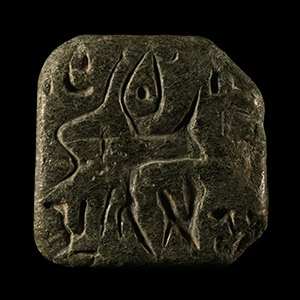
Very Large Western Asiatic Stone Stamp Seal
Circa 3000 B.C.Sold for (Inc. bp): £338
Of square shape, striated lines and locating holes on the surface; the reverse with a domed, pierced plaque. 100 grams, 51 mm
Collected from 1969-1999. From the collection of the late Mr S.M., London, UK.
Such seals can be associated with distinct communities during the Bronze Age, particularly those engaged in trade with the Indus Valley. In particular, they are associated with the presence of Mesopotamians on the Iranian plateau and the emergent elite of the Early Dynastic city-states.
