
Loading, please wait...
LOT 1692
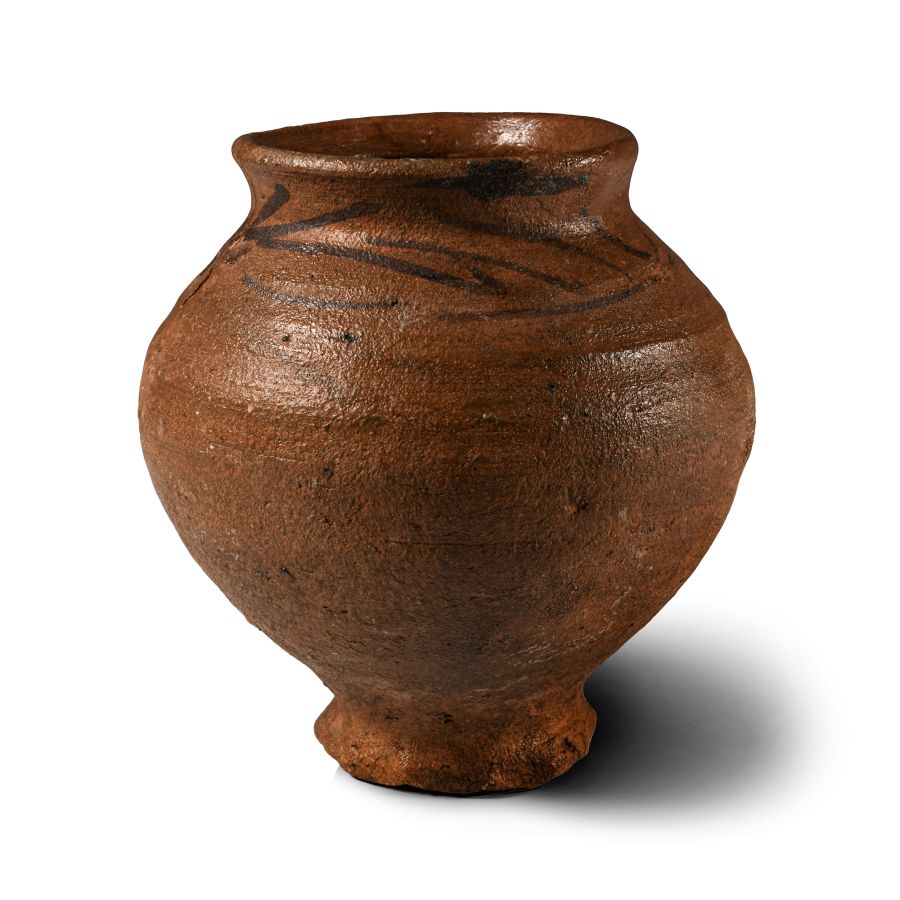
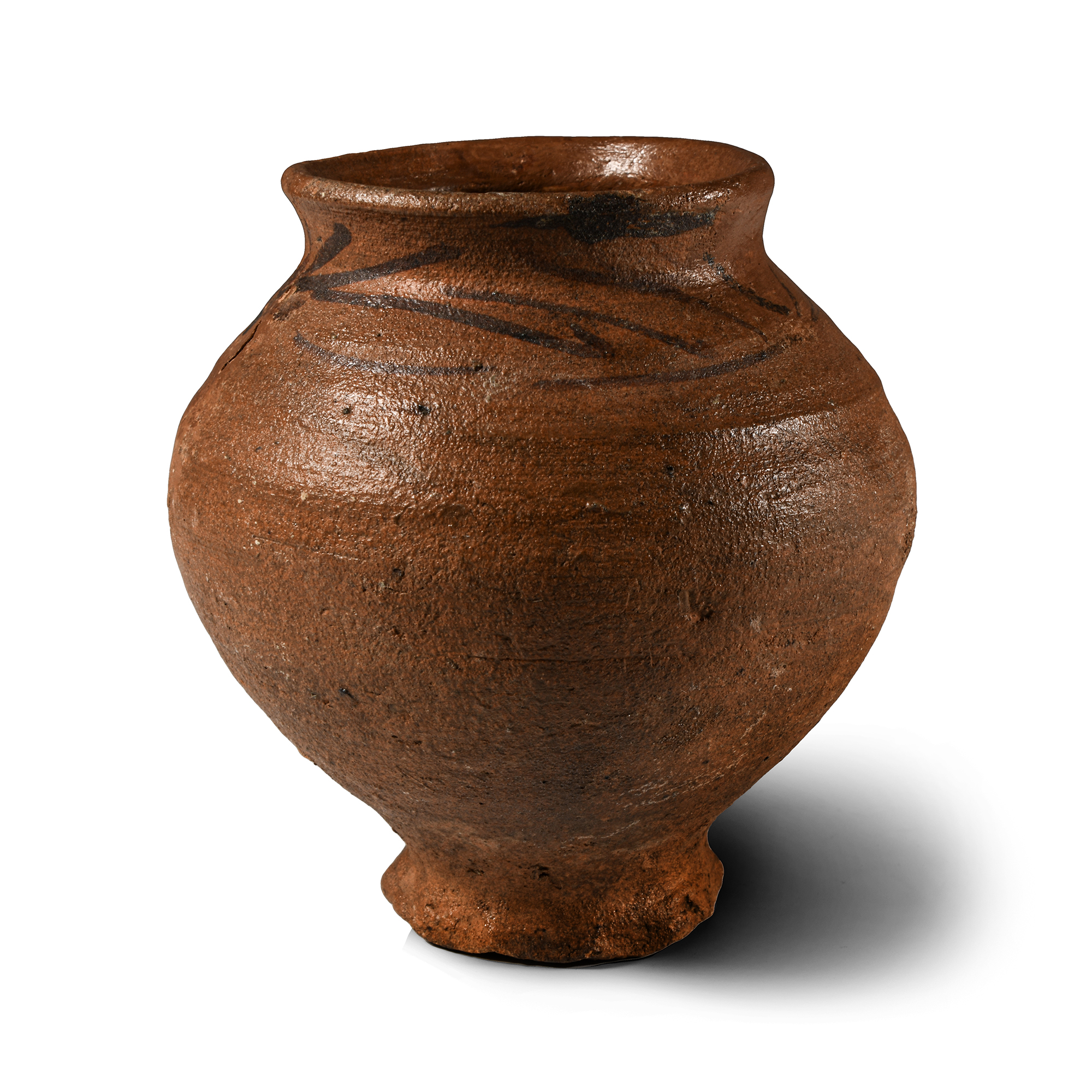
Medieval Thumb Based Pot
CIRCA 15TH-16TH CENTURY A.D.
4 7/8 in. (385 grams, 12.5 cm high).
Bulbous coiled pot with flared base and everted rim, mottled black band to the shoulder. [No Reserve]
ProvenanceEx Cummings collection, UK, 1990s.
CONDITIONTimeLine Auctions follows a vetting process to ensure the authenticity and legality of all items, reinforcing our commitment to integrity and responsible trading. Each antiquity, antique, and coin lot undergoes thorough examination by a vetting committee of at least ten external specialists, professional trade association members, scientists, and archaeologists: Our Vetting Process
AUCTIONS:
TimeLine is a leading auction house specialising in antiquities, ancient art, collectables, natural history, coins, medals, and books. Our auctions offer museums, collectors, historians, and enthusiasts the opportunity to acquire unique and historically significant pieces.
-
.jpg)
Medieval Limoges Gilt Christ Crowned on the Cross
France, Limoges, circa 1210 A.D.Sold for (Inc. bp): £7,150
Parcel-gilt bronze crucifix with cloisonné enamel geometric ornament; separate appliqué Corpus Christi, crowned with detailed musculature; lower legs and feet absent; mounted on a custom-made stand. 308 grams, 21 cm (536 grams total, 25.2 cm including stand)
Private collection, Germany, 2021. This lot has been checked against the Interpol Database of stolen works of art and is accompanied by search certificate no.12042-212159. -
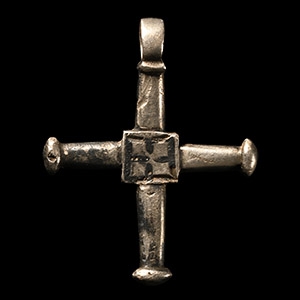
Medieval Silver Cross Pendant with Niello Inlay
12th-14th century A.D.Sold for (Inc. bp): £468
With central square and four radiating arms with lobe finials, inlaid cross potent to centre on both faces. 2.01 grams, 24 mm
Acquired in the late 1990s. Property of a Norfolk, UK, collector. -
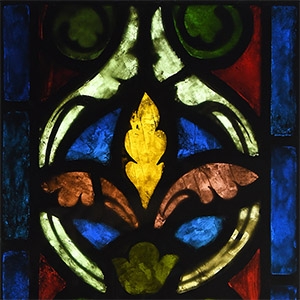
Medieval Stained Glass Panel
Circa 1200 A.D.Sold for (Inc. bp): £5,980
Rectangular with framework of lead cames; segmented borders and median band of vegetation in rich blue, yellow, rose-pink and other shades. 1.69 kg, 43.5 x 22 cm
with De Baecque Encheres, 14 April 2008, no.202 and 207 (part).
