
Loading, please wait...
LOT 1749
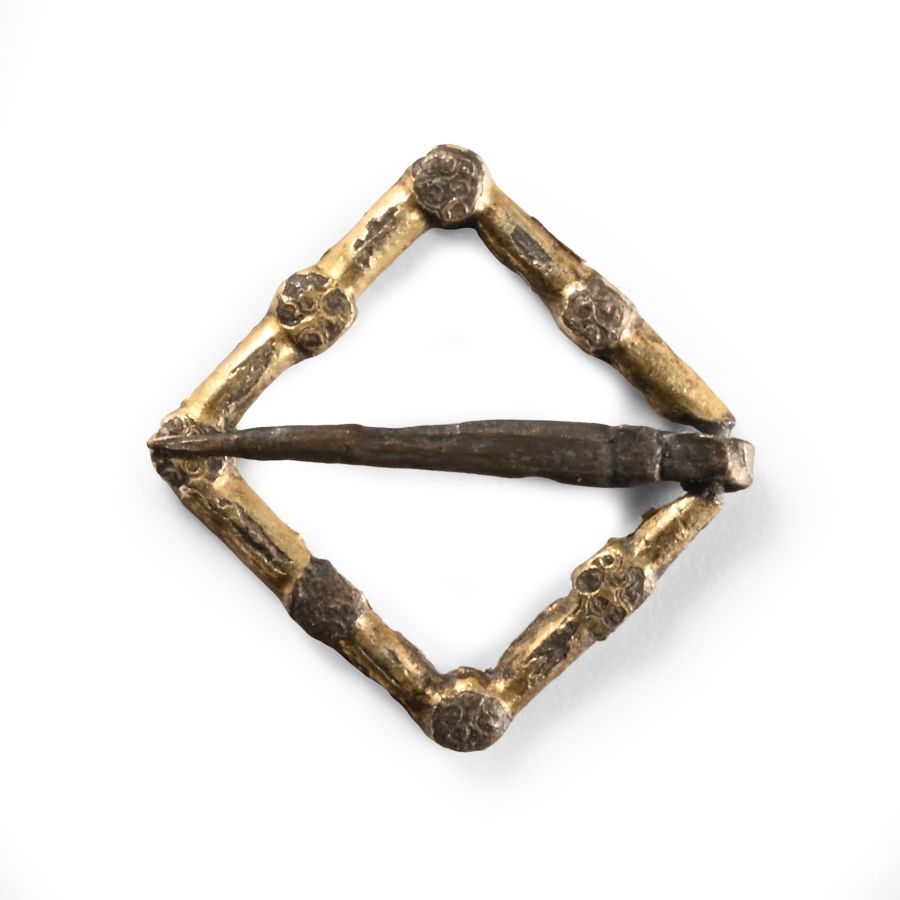
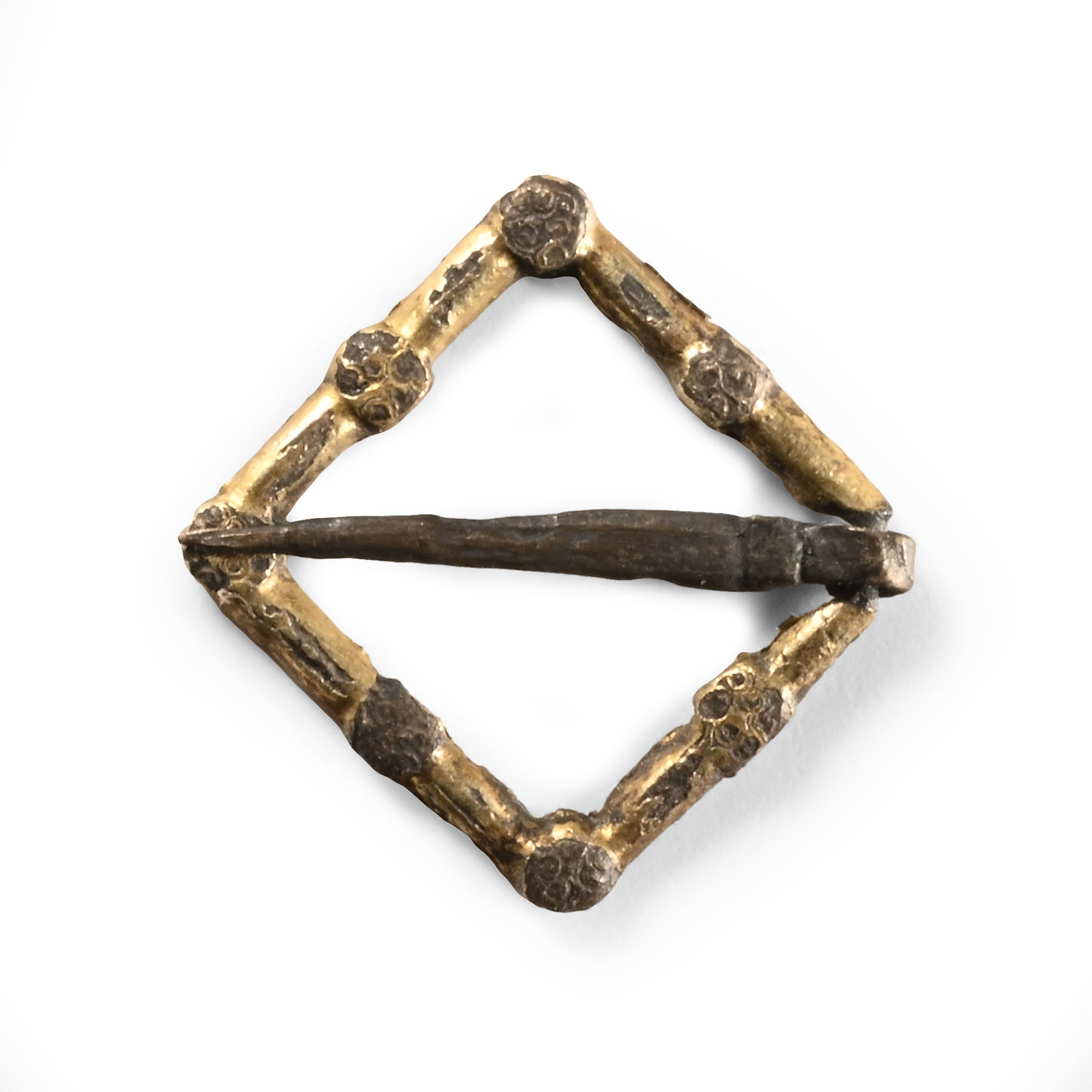
Medieval 'Thames' Silver-Gilt Lozenge-Shaped Brooch
13TH-14TH CENTURY A.D.
5/8 in. (0.48 grams, 16 mm).
With narrow frame, pin mounted at the apex. [No Reserve]
ProvenanceFound Billingsgate spoil from the Thames foreshore, London, UK, circa 1984.
Property of an Essex collector.
See Egan, G. & Pritchard, F., Dress Accessories 1150-1450, London, 2002.
CONDITIONTimeLine Auctions follows a vetting process to ensure the authenticity and legality of all items, reinforcing our commitment to integrity and responsible trading. Each antiquity, antique, and coin lot undergoes thorough examination by a vetting committee of at least ten external specialists, professional trade association members, scientists, and archaeologists: Our Vetting Process
AUCTIONS:
TimeLine is a leading auction house specialising in antiquities, ancient art, collectables, natural history, coins, medals, and books. Our auctions offer museums, collectors, historians, and enthusiasts the opportunity to acquire unique and historically significant pieces.
-

Medieval and Other Artefact Group
1st-20th century A.D.Sold for (Inc. bp): £72
Including milled coins, buckle fittings, weights, hooked fasteners and other items. 903 grams total, 7-65 mm
Found Cambridgeshire, UK. -

Medieval 'Thames' Glazed Floor Tile Fragment Group
14th-15th century A.D.Sold for (Inc. bp): £52
Including one with a glazed fret design, one with radiating combs and another type. 1.65 kg total, 11.6-13.1 cm
Found Billingsgate spoil from the Thames foreshore, London, UK, circa 1984. Property of an Essex collector. -
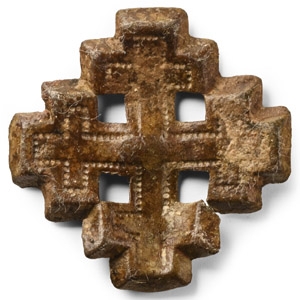
Medieval Bronze Knight's Holy Sepulchre Badge
Circa 13th-14th century A.D.Sold for (Inc. bp): £910
Formed as a cross-crosslet, the symbol of the Knights of the Holy Sepulchre, with punched-point border. 2.29 grams, 28 mm
Found whilst searching with a metal detector on a medieval site in Wiltshire in the mid 1980s.
The 'Equestrian Order of the Holy Sepulchre of Jerusalem' was an order of knighthood under the protection of the Pope, formed around 1099 AD by Duke Godfrey of Bouillon, the leader of the First Crusade. It was established for the protection of pilgrims travelling to the Holy Land and was recognised by a Papal Bull in about 1113 AD.
