
Loading, please wait...
LOT 1614
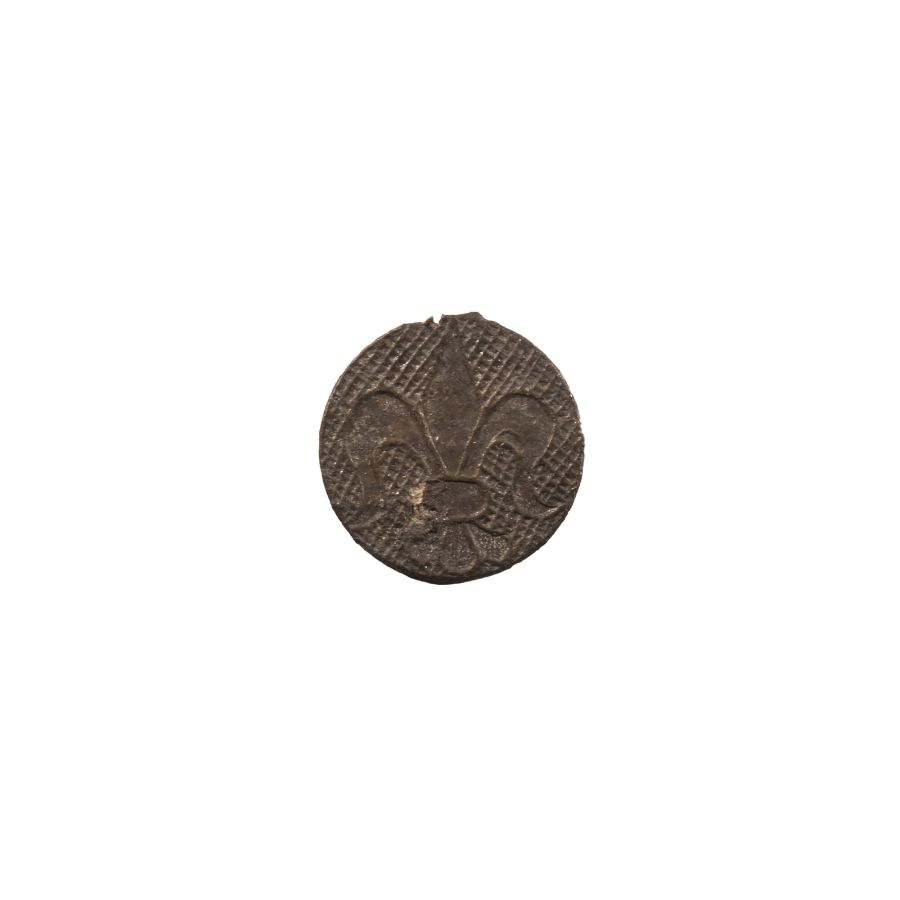
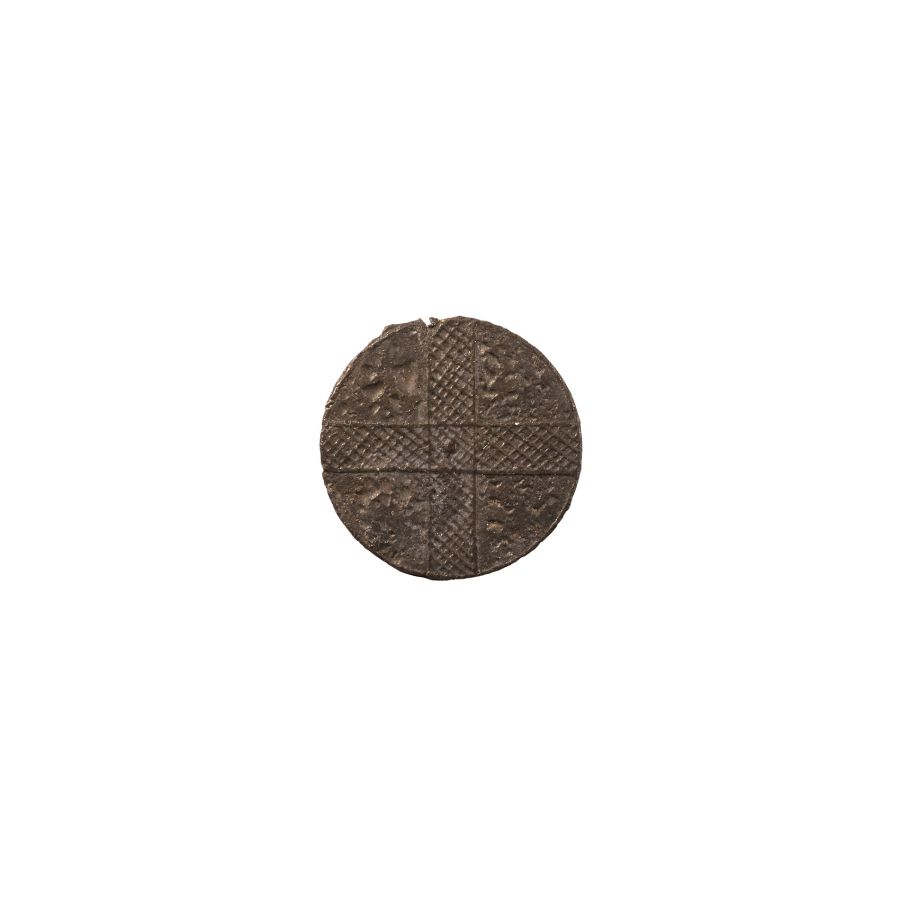
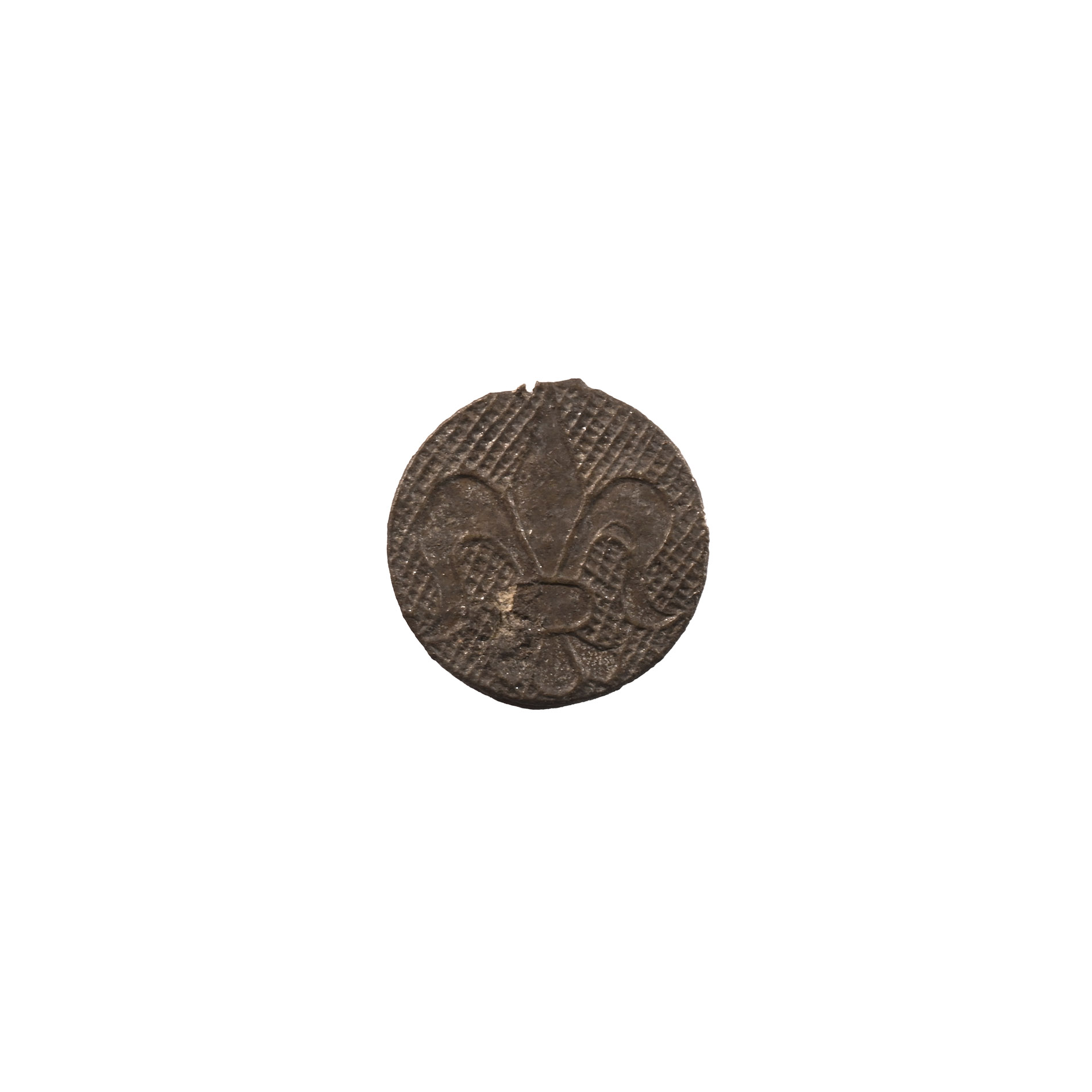
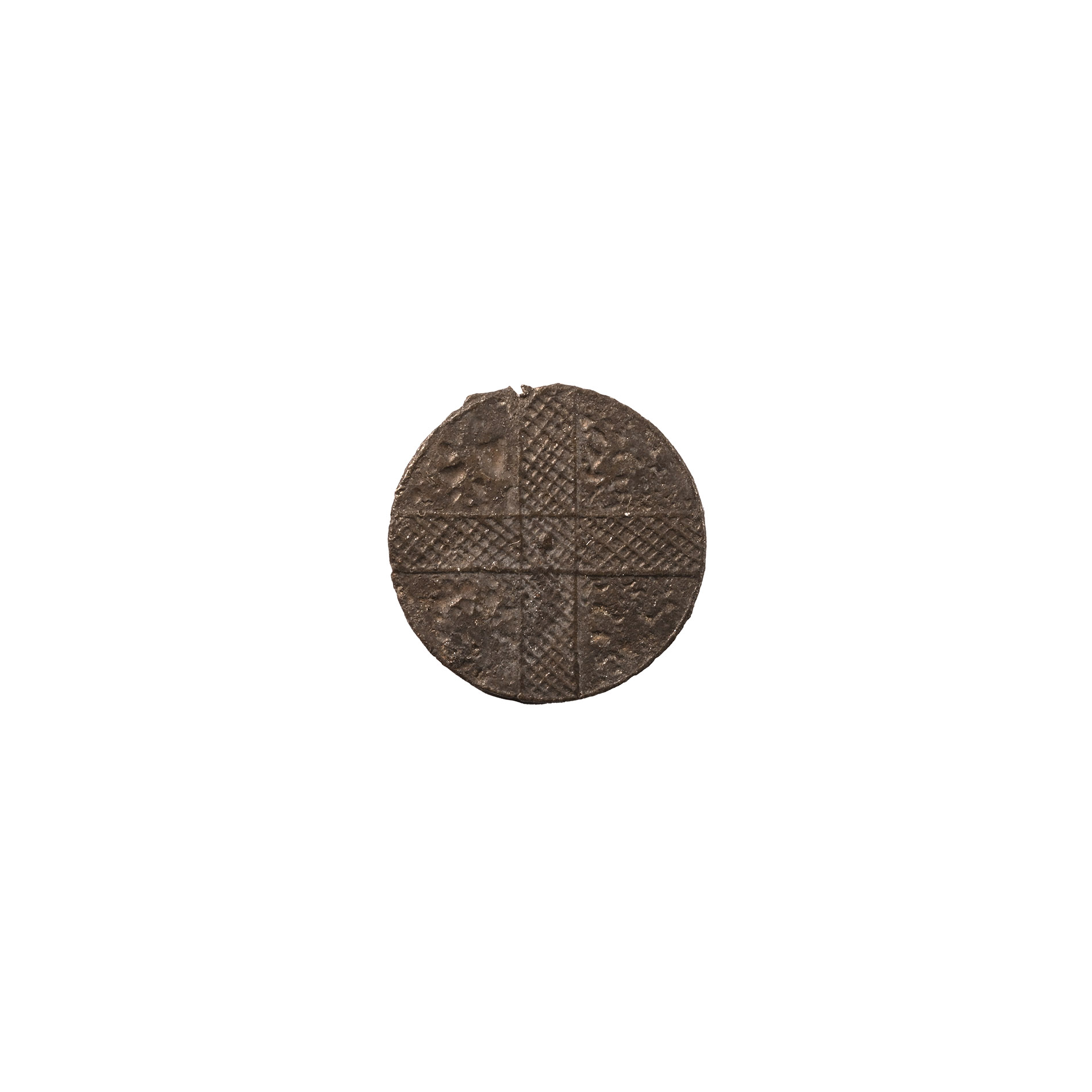
Medieval Thames Pewter Bifacial Wine Tavern Token
CIRCA 14TH-15TH CENTURY A.D.
5/8 in. (0.61 grams, 1.6 cm).
Of discoid form with designs in relief: a hatched Christian cross with ornament to each quarter; a fleur-de-lis against a hatched field. [No Reserve]
ProvenanceFound Billingsgate spoil from the Thames foreshore, London, UK.
CONDITIONTimeLine Auctions follows a vetting process to ensure the authenticity and legality of all items, reinforcing our commitment to integrity and responsible trading. Each antiquity, antique, and coin lot undergoes thorough examination by a vetting committee of at least ten external specialists, professional trade association members, scientists, and archaeologists: Our Vetting Process
AUCTIONS:
TimeLine is a leading auction house specialising in antiquities, ancient art, collectables, natural history, coins, medals, and books. Our auctions offer museums, collectors, historians, and enthusiasts the opportunity to acquire unique and historically significant pieces.
-
Medieval Engraved Bronze Knife Handle with Veiled Figures
15th-16th century A.D.Sold for (Inc. bp): £20
Featuring a tapering hexagonal-section body, radiating lines to the top face, hatched panels alternating with figural panels to the facetted body; remains of iron tang to interior. 5.19 grams, 32 mm
Found Suffolk, UK. -
Large Medieval Bronze Seal Matrix with Scene Showing Robed Figures
14th-15th century A.D.Estimate: £250 - 350 (+bp*)
Opening Bid: £135
With facetted stem and pierced pentagonal finial, incised orientation cross to top face; circular die with outer rim bearing enigmatic legend; standing robed figure with one hand extended towards a kneeling hooded figure. 15.5 grams, 25.3 mm
Fine condition.
Acquired 1970s. Ex UK collection. Property of a Portsmouth, UK gentleman. -
.jpg)
Medieval Glazed Ceramic Tile with Open Book
15th century A.D.Sold for (Inc. bp): £624
Square in plan with some remains of bedding cement. 891 grams, 17.8 cm
Ex Benjamin Proust, 2015. Ex central London gallery.
