
Loading, please wait...
LOT 1742
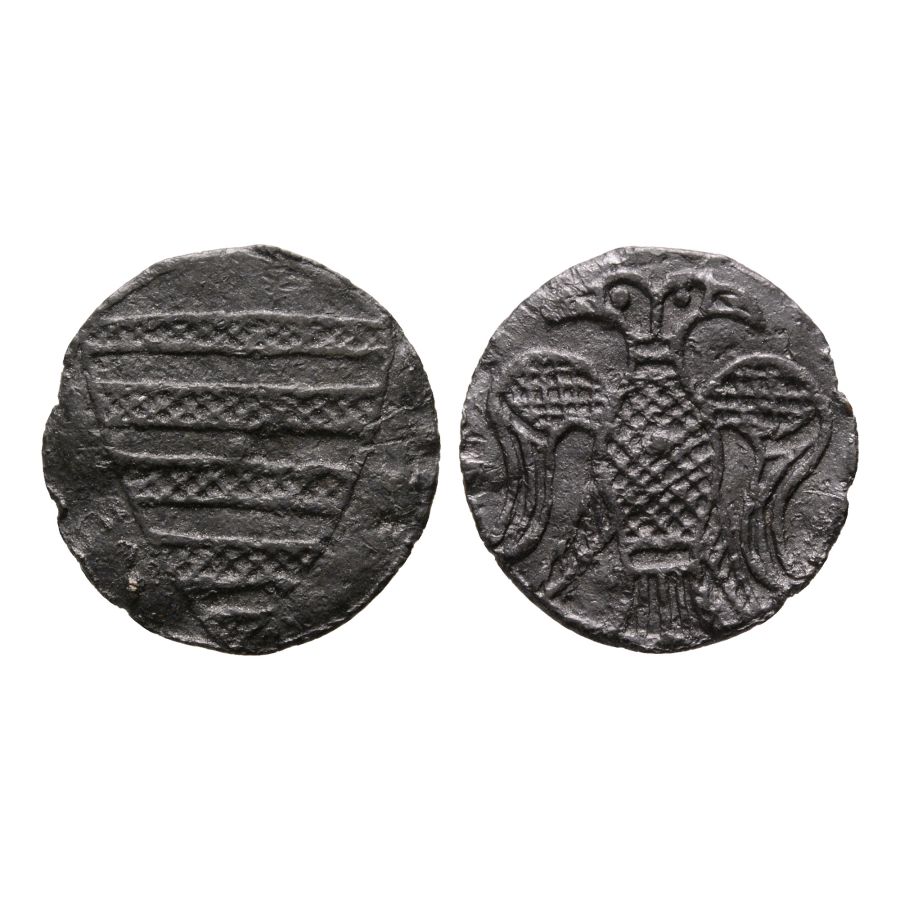
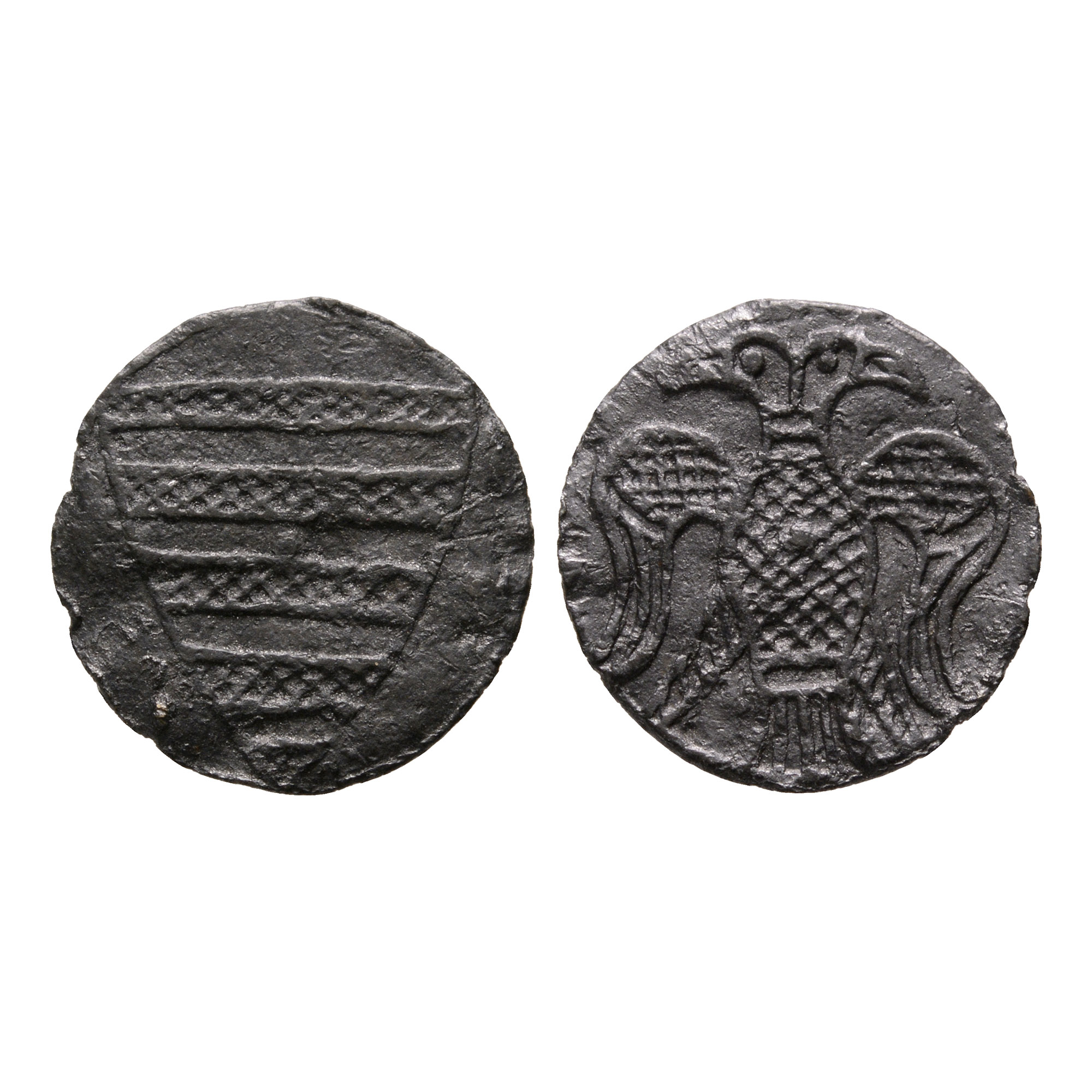
Medieval 'Thames' Bifacial Pewter Wine Tavern Token
CIRCA 14TH-15TH CENTURY A.D.
5/8 in. (0.74 grams, 16 mm).
Obverse with heraldic heater shield, reverse with double-headed eagle. [No Reserve]
ProvenanceFound Billingsgate spoil from the Thames foreshore, London, UK, circa 1984.
Property of an Essex collector.
TimeLine Auctions follows a vetting process to ensure the authenticity and legality of all items, reinforcing our commitment to integrity and responsible trading. Each antiquity, antique, and coin lot undergoes thorough examination by a vetting committee of at least ten external specialists, professional trade association members, scientists, and archaeologists: Our Vetting Process
AUCTIONS:
TimeLine is a leading auction house specialising in antiquities, ancient art, collectables, natural history, coins, medals, and books. Our auctions offer museums, collectors, historians, and enthusiasts the opportunity to acquire unique and historically significant pieces.
-

Medieval Gold Miniature Amulet
Circa 14th-16th century A.D.Sold for (Inc. bp): £59
An elongated form, possibly representing an animal. 0.46 grams, 12 mm
Ex property of a late Japanese collector, 1970-2000s. -
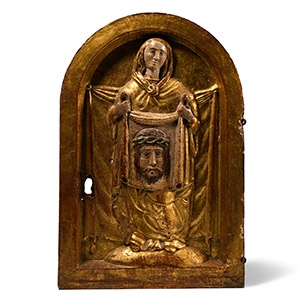
Medieval Tabernacle 'Sudarium' Carved in Relief
Eastern France, circa 1480 A.D.Sold for (Inc. bp): £2,860
Wooden carved archway with high-relief image of St Veronica in floor-length robe standing on a domed base holding up the sudarium with the transferred image of the face of Christ with crown of thorns; raised edges and keyhole to the left edge with attachment holes for a lock mechanism, recess to the reverse. 810 grams, 32.5 cm high
Private collection, Bonn, Germany. This lot has been checked against the Interpol Database of stolen works of art and is accompanied by a search certificate number no.12057-217471.
The sudarium or 'veil of Veronica' (or Mandylion of Edessa) is alleged to bear the image of Christ's face. The story of the image's origin refers to the sixth Station of the Cross, where Saint Veronica met Jesus along the Via Dolorosa to Calvary and wiped the blood and sweat from his face with her veil. She later travelled to Rome to present the cloth to the Roman Emperor Tiberius. The veil has been said to have healing properties. -
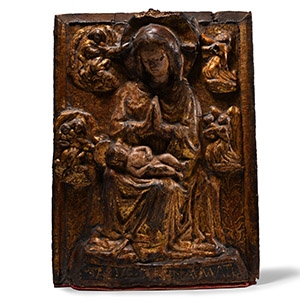
Medieval Gilt Wooden Relief with Enthroned Virgin and Child Surrounded by Angels
Italian, Lombardy, circa 1480 A.D.Sold for (Inc. bp): £3,900
Rectangular panel with cartapesta relief of Virgin and Child carved in the half-round; Mary seated, nimbate with hands pressed together in prayer, infant lying across her lap, flanked by four winged angels in poses of adoration; gilt surface with pink flesh tones; inscribed to base 'SALVE REGINA MATE[R MISERICORDIAE]' (Hail Mother the Queen). 1.07 kg, 36.5 x 27 cm
German private collection, 2019. Ex central London gallery. This lot has been checked against the Interpol Database of stolen works of art and is accompanied by a search certificate number no.12056-217445.
Like all the ancient and medieval statues, this artwork was also originally lavishly painted and most of the colours are still visible with gold and red and light blue being the main colours used for Saint Mary. Interestingly, the inscription recalls the three first words of the Cluny prayer to the Virgin Mary: SALVE REGINA, MATER MISERICORDIAE (Hail Holy Queen Merciful Mother), used by the Templars as a war song.
