
Loading, please wait...
LOT 1771
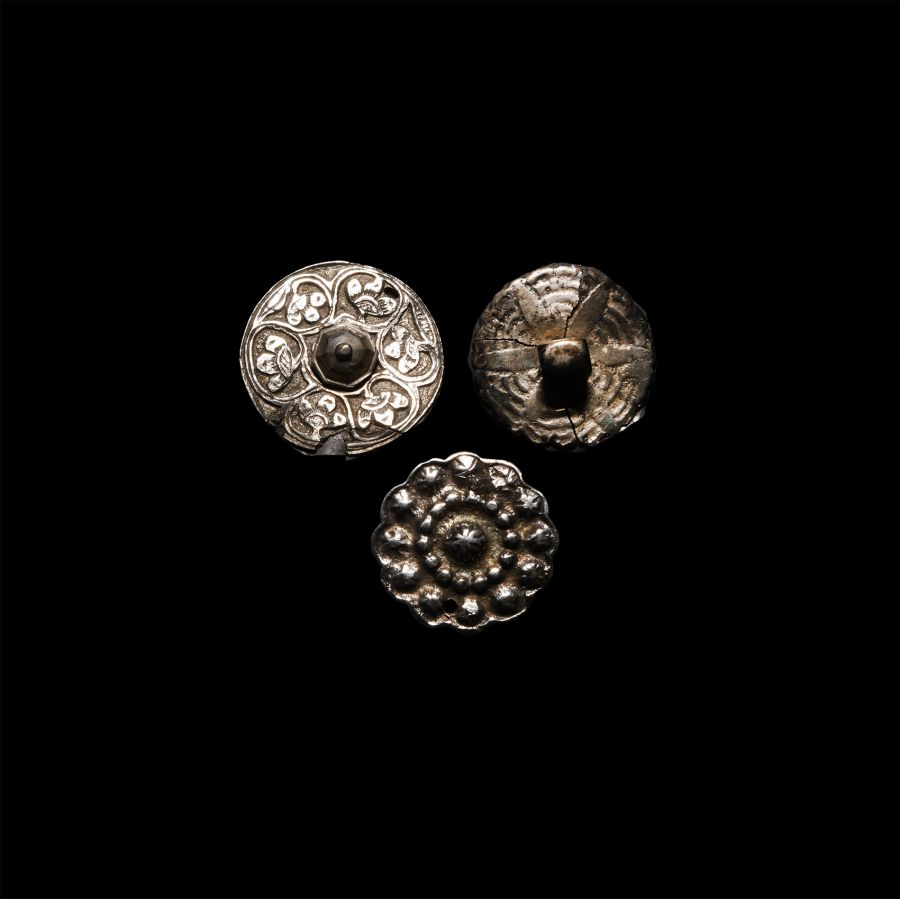
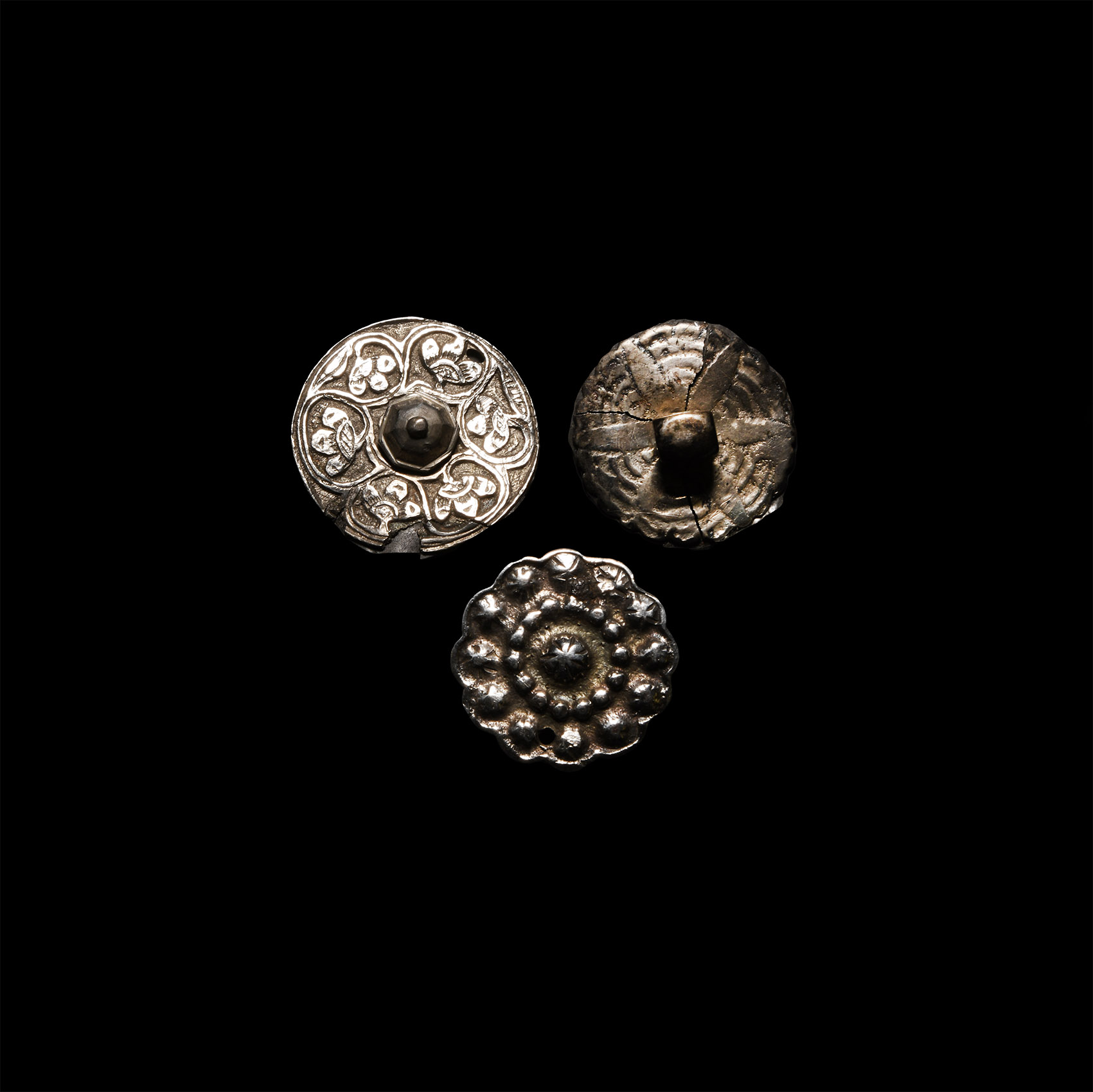
Medieval Silver Ornate Roundel Group
14TH-15TH CENTURY A.D.
1 1/8 - 1 1/4 in. (22.3 grams total, 28-32 mm).
Comprising three silver discs bearing stylised floral motifs in repoussé, chasing and relief; some repairs. [3, No Reserve]
ProvenanceEnglish private collection, 1970s.
The Kusmirek Collection, UK.
TimeLine Auctions follows a vetting process to ensure the authenticity and legality of all items, reinforcing our commitment to integrity and responsible trading. Each antiquity, antique, and coin lot undergoes thorough examination by a vetting committee of at least ten external specialists, professional trade association members, scientists, and archaeologists: Our Vetting Process
AUCTIONS:
TimeLine is a leading auction house specialising in antiquities, ancient art, collectables, natural history, coins, medals, and books. Our auctions offer museums, collectors, historians, and enthusiasts the opportunity to acquire unique and historically significant pieces.
-
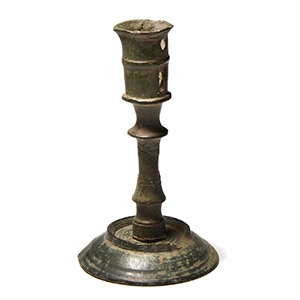
Medieval Bronze Candlestick
14th-15th century A.D.Sold for (Inc. bp): £416
Of socketted type, with collars and a domed base. 181 grams, 11.5 cm
Acquired 1990s-early 2000s. East Anglian private collection. -
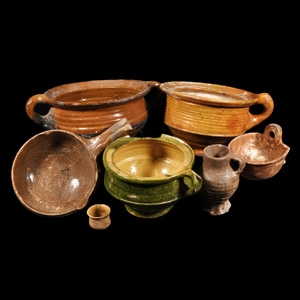
Medieval Ceramic Group
15th century A.D. and laterSold for (Inc. bp): £117
Composed of glazed vessels including pots with tripod feet, a skillet, handled bowls and others; most with chips and cracks. 3.5 kg total, 4.4-29 cm
Acquired 1990s-early 2000s. East Anglian private collection. -
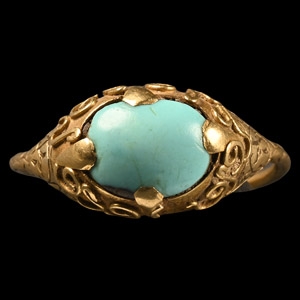
Medieval Period Gold Ring with Turquoise Cabochon
Circa 15th-16th century A.D.Sold for (Inc. bp): £624
Composed of a slender round-section hoop and ellipsoidal bezel set with a turquoise cabochon held by four claws, filigree swirls below, engraved vines to the shoulder, engraved quatrefoil within roundel to reverse. 2.21 grams, 23.45 mm overall, 17.09 mm internal diameter (approximate size British K 1/2, USA 5 1/2, Europe 10.58, Japan 10)
Acquired 1990s-early 2000s. East Anglian private collection.
