
Loading, please wait...
LOT 1817
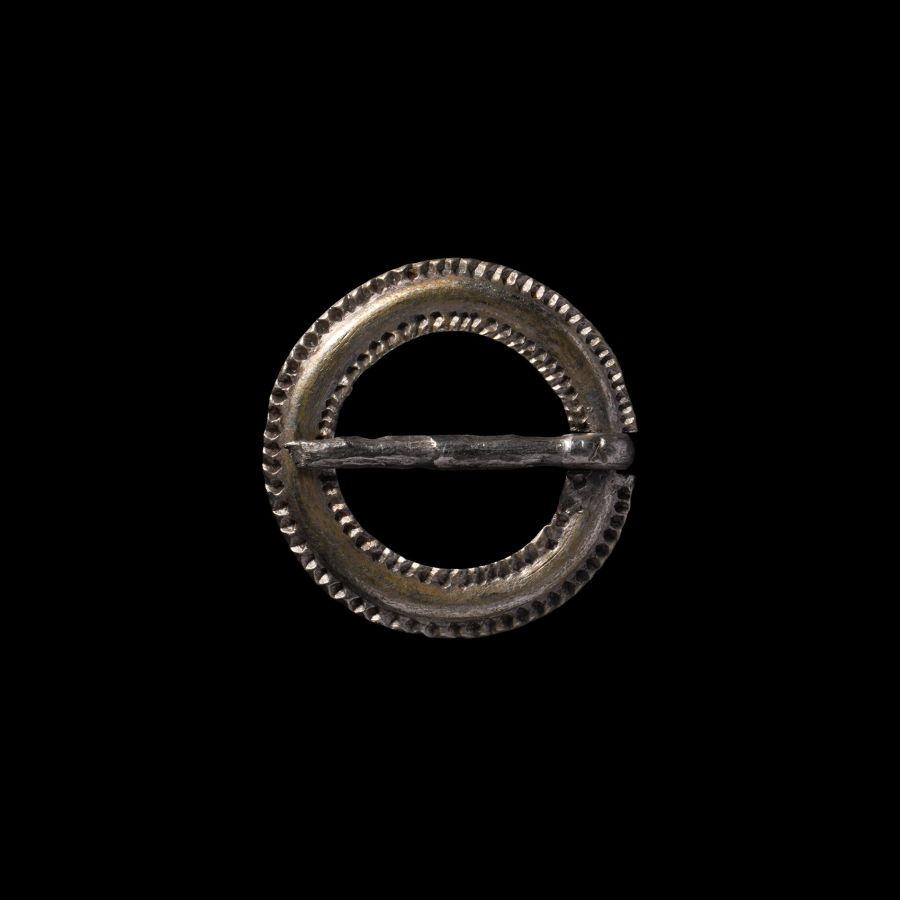
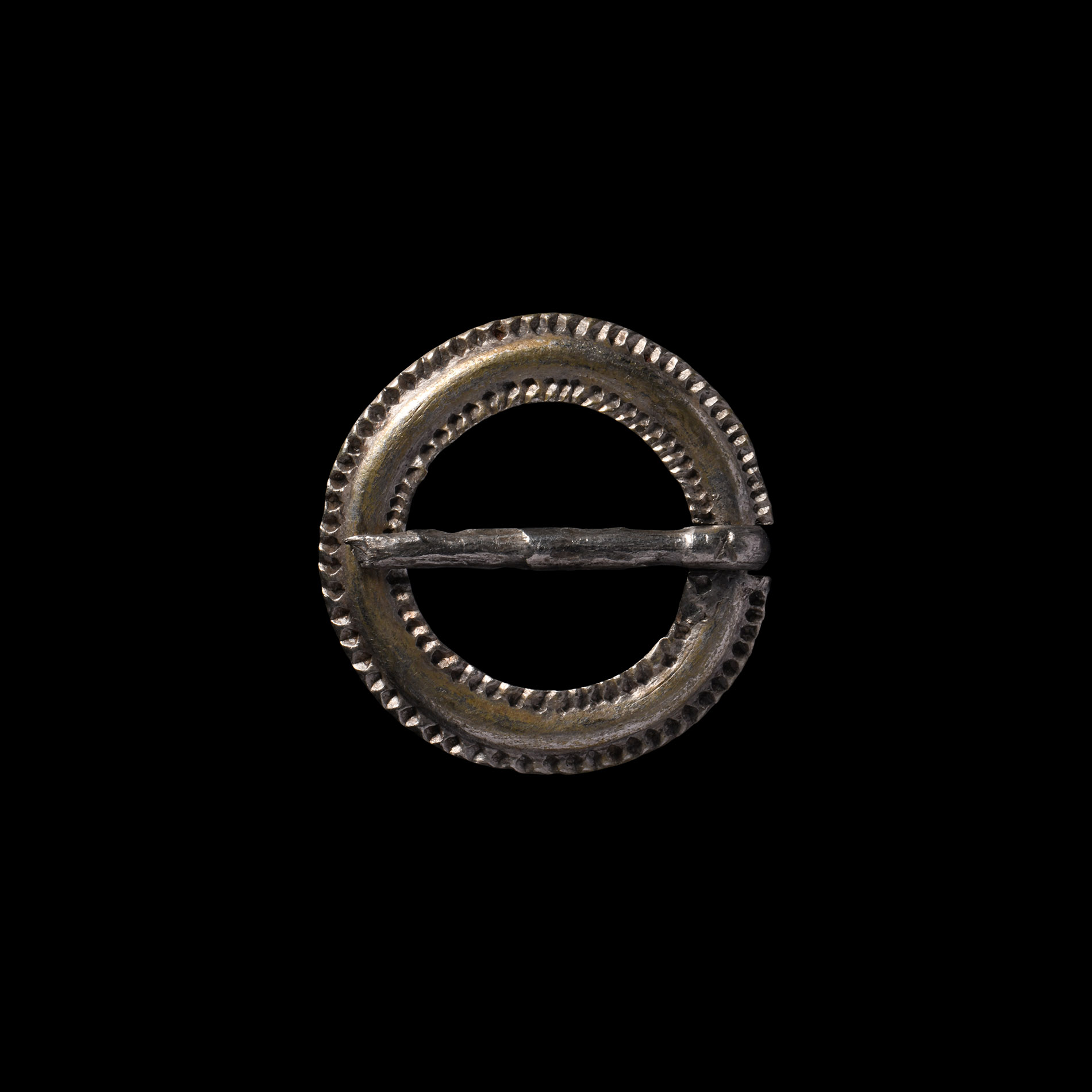
Medieval Silver Annular Brooch
13TH-14TH CENTURY A.D.
1 in. (3.17 grams, 26 mm).
Featuring a domed upper face decorated with pecked marks; articulate tongue. [No Reserve]
ProvenanceFrom the collection of a North American gentleman, formed in the 1990s.
CONDITIONTimeLine Auctions follows a vetting process to ensure the authenticity and legality of all items, reinforcing our commitment to integrity and responsible trading. Each antiquity, antique, and coin lot undergoes thorough examination by a vetting committee of at least ten external specialists, professional trade association members, scientists, and archaeologists: Our Vetting Process
AUCTIONS:
TimeLine is a leading auction house specialising in antiquities, ancient art, collectables, natural history, coins, medals, and books. Our auctions offer museums, collectors, historians, and enthusiasts the opportunity to acquire unique and historically significant pieces.
-
.jpg)
Medieval 'Thames' Bronze Ring with Blue Setting
Circa 14th century A.D.Sold for (Inc. bp): £85
Slender hoop with pyramidal cell bezel, blue glass fill with central white glass pellet. 0.38 grams, 16.27 mm overall, 13.06 mm internal diameter
Found Billingsgate spoil from the Thames foreshore, London, UK. -
.jpg)
Medieval Lead 'RICARD SNICHT' Seal Matrix
Circa 14th century A.D.Sold for (Inc. bp): £46
Discoid in plan with eight-armed star at centre and surrounding '+ S' RICARD : SNICHT:' incuse and reversed inscription for 'seal of Richard Snicht' with retrograde 'N'; accompanied by an impression. 12 grams, 2.8 cm
Found Essex, UK. -
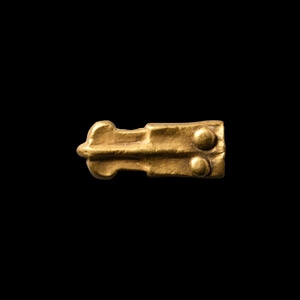
Medieval Gold Strap End
15th century A.D.Estimate: £180 - 240 (+bp*)
Opening Bid: £90
With rectangular-section hollow-form body and two rivets to one edge. 2.49 grams, 22 mm
Very fine condition.
Acquired 1970-2010. Collection of a late Japanese gentleman.
