
Loading, please wait...
LOT 0417
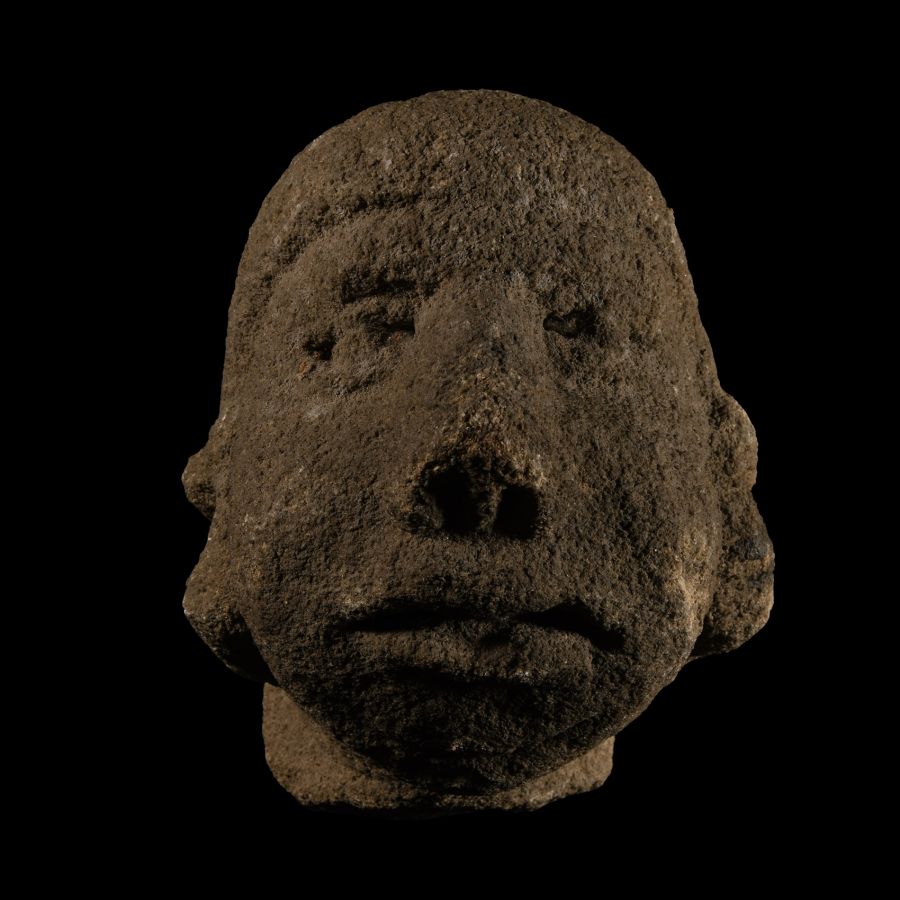
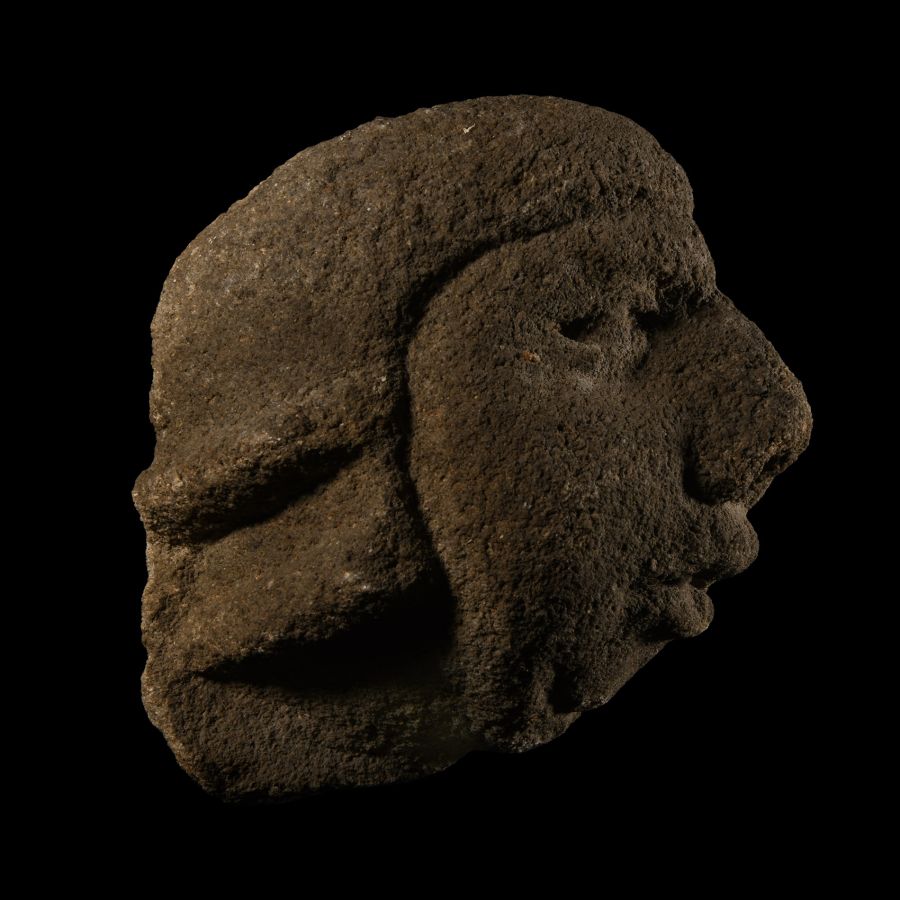
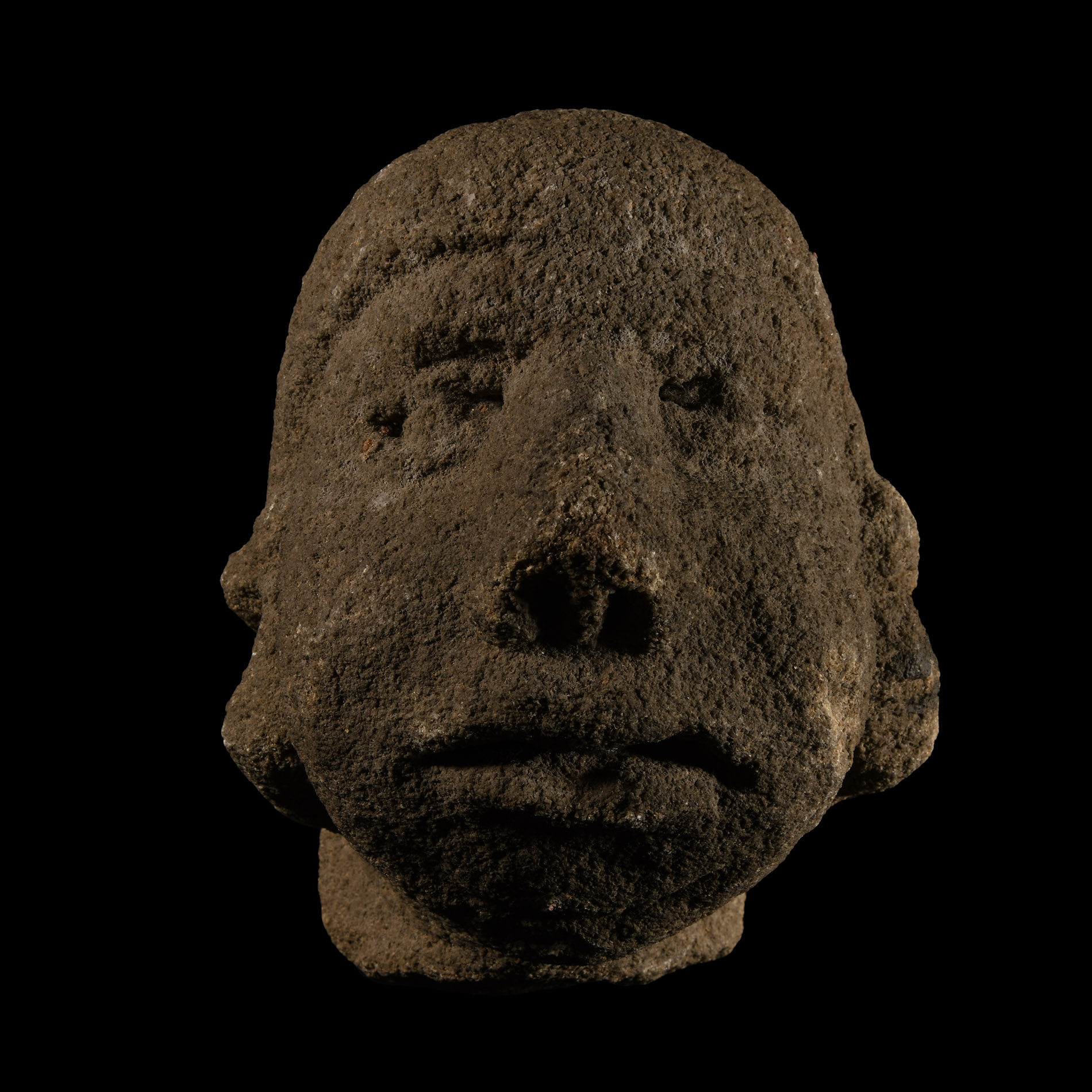
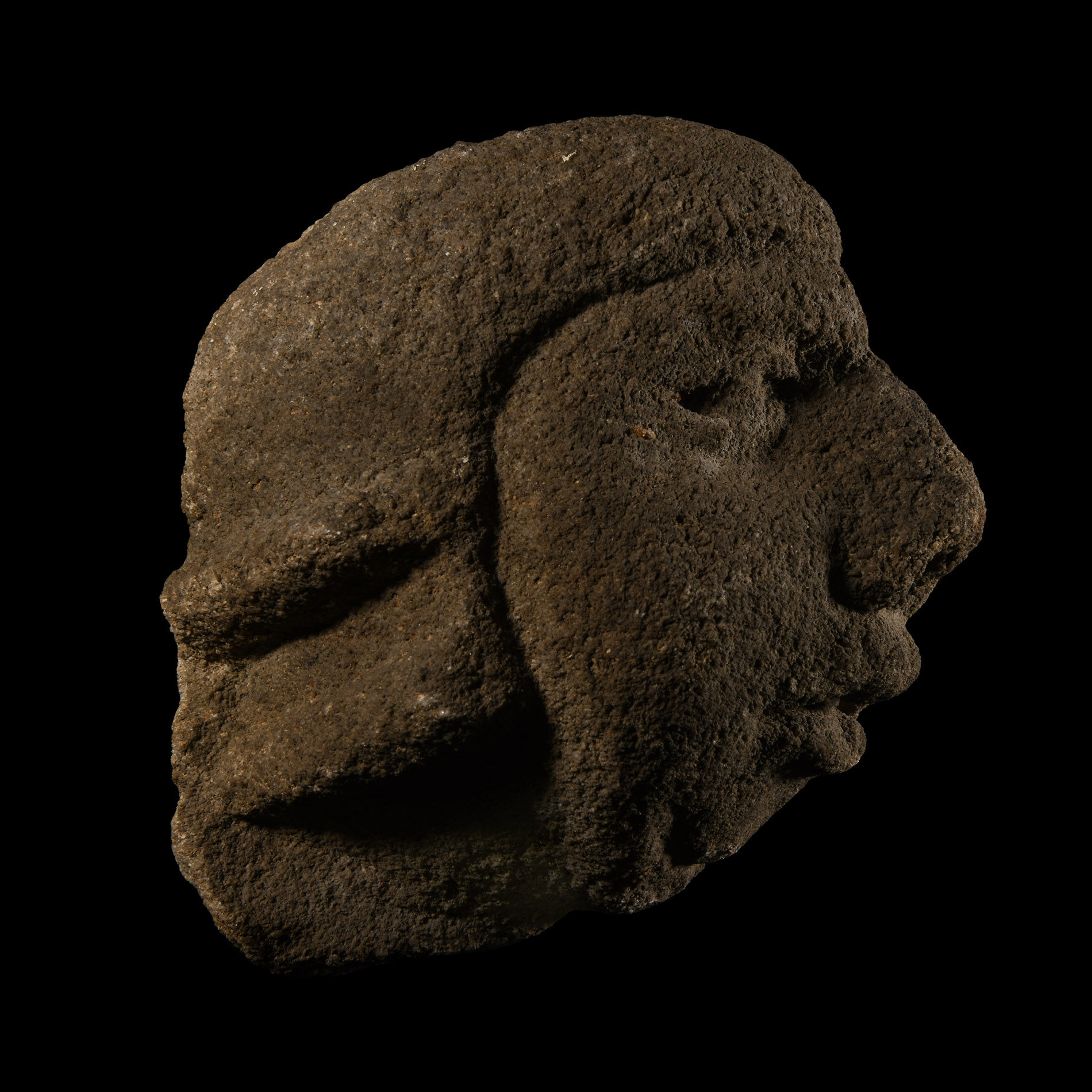
Medieval Sandstone Corbel of a Jester
14TH-15TH CENTURY A.D.
6 1/2 in. (4.65 kg, 16.5 cm).
Carved in the round as a caricature head with exaggerated cheeks and nose, close-trimmed hair with cap, recessed eyes; flat top, not dressed to rear. [No Reserve]
ProvenanceFrom a collection acquired on the UK art market from various auction houses and collections mostly before 2000.
From an important Cambridgeshire estate; thence by descent.
TimeLine Auctions follows a vetting process to ensure the authenticity and legality of all items, reinforcing our commitment to integrity and responsible trading. Each antiquity, antique, and coin lot undergoes thorough examination by a vetting committee of at least ten external specialists, professional trade association members, scientists, and archaeologists: Our Vetting Process
AUCTIONS:
TimeLine is a leading auction house specialising in antiquities, ancient art, collectables, natural history, coins, medals, and books. Our auctions offer museums, collectors, historians, and enthusiasts the opportunity to acquire unique and historically significant pieces.
-
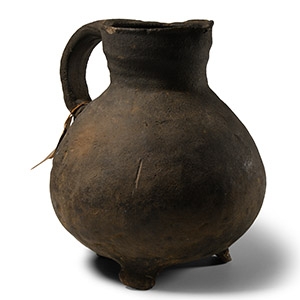
Medieval Globular Tripod Jug
Germany, lower Saxony (?), 14th century A.D.Sold for (Inc. bp): £364
Wheel-thrown vessel with oblate profile, three small flange feet, rounded mouth with inturned rim and short pinched spout, ribbed strap handle to the rear' inked accession number to the underside: 'W.M. V.16.'; old card catalogue label with remains of wax seal and handwritten 'V / No.16' and pencilled 'Welfen Museum'. 1.05 kg, 21.5 cm high
Welfen Museum, circa 1860; thence by descent at Marienburg Castle, Hanover, Lower Saxony, Germany. with Sotheby's, Royal House of Hanover Sale, 10 October 2005, no.1254. Accompanied by an old card catalogue label with remains of wax seal and handwritten 'V / No.16' and pencilled 'Welfen Museum'. Accompanied by a copy of a previous cataloguing page.
Evidence of soot accretion to the underside, implying use on or beside a hearth. -

Medieval Bronze Knight's Holy Sepulchre Badge
Circa 13th-14th century A.D.Sold for (Inc. bp): £1,300
Formed as a cross-crosslet, the symbol of the Knights of the Holy Sepulchre, with punched-point border. 0.99 grams, 22.41 mm
Found Norfolk, UK.
The 'Equestrian Order of the Holy Sepulchre of Jerusalem' was an order of knighthood under the protection of the Pope, formed around 1099 AD by Duke Godfrey of Bouillon, the leader of the First Crusade. It was established for the protection of pilgrims travelling to the Holy Land and was recognised by a Papal Bull in about 1113 AD. -

Medieval 'Thames' Bone Fid
Circa 14th-16th century A.D.Sold for (Inc. bp): £33
Carved from a bone retaining the knuckle as a handle; used when splicing rope. 23.6 grams, 10.3 cm
Found Thames foreshore, London, UK. Ex Den of Antiquity, Cambridgeshire, UK. Accompanied by a dealer's catalogue information card.
