
Loading, please wait...

LOT 1927
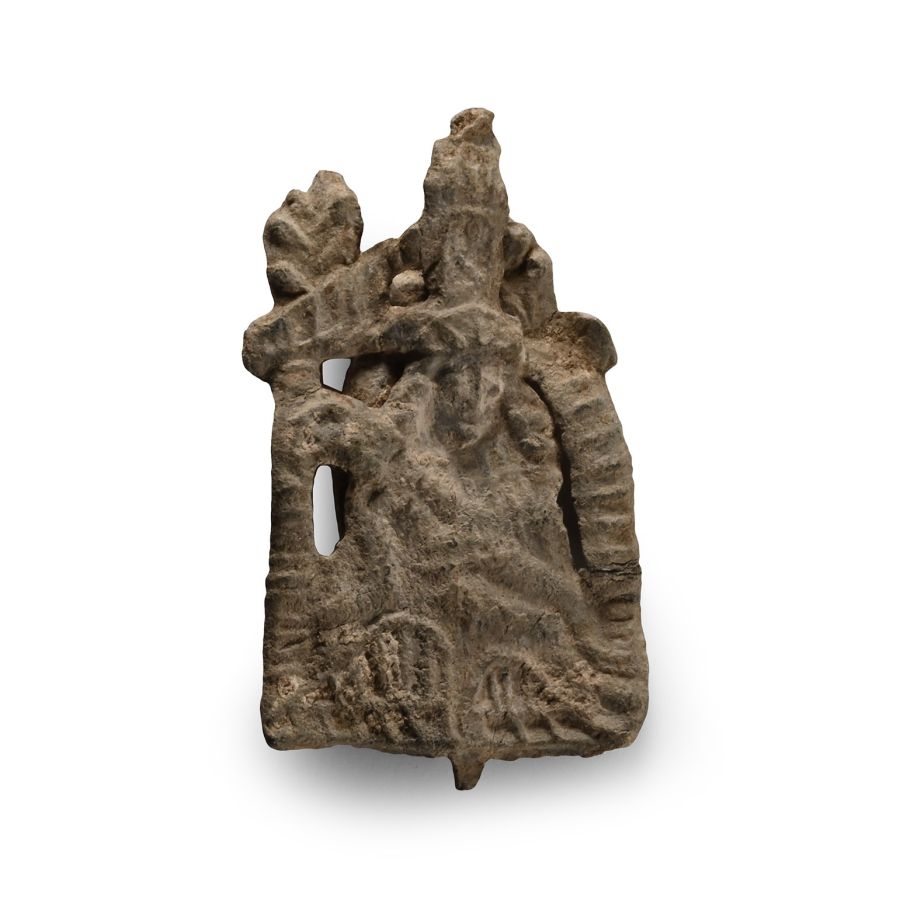
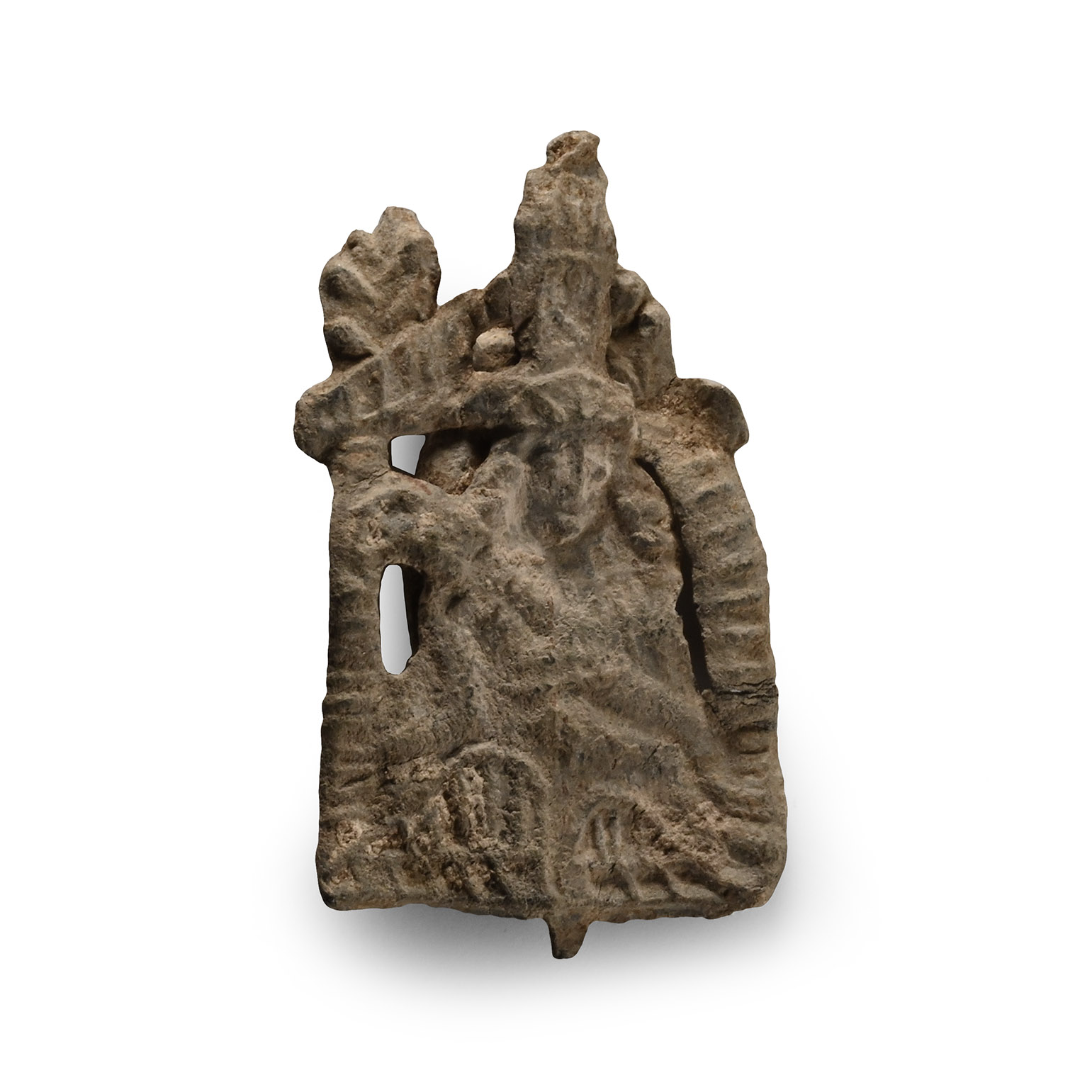
Medieval Pewter Pilgrim's Badge
14TH-15TH CENTURY A.D.
1 3/8 in. (5.56 grams, 34 mm).
Heater-shaped plaque of the Pietà: the body of Christ taken down from the cross lies across the lap of the Virgin, who is here depicted as Queen of Heaven, i.e. wearing a crown with halo behind, the whole scene framed by the rays of a mandorla; clip pin to reverse. [No Reserve]
ProvenanceFound Kettering, Northamptonshire, UK.
From an old private collection of Norfolk, UK, gentleman, formed since 1998.
TimeLine Auctions follows a vetting process to ensure the authenticity and legality of all items, reinforcing our commitment to integrity and responsible trading. Each antiquity, antique, and coin lot undergoes thorough examination by a vetting committee of at least ten external specialists, professional trade association members, scientists, and archaeologists: Our Vetting Process
AUCTIONS:
TimeLine is a leading auction house specialising in antiquities, ancient art, collectables, natural history, coins, medals, and books. Our auctions offer museums, collectors, historians, and enthusiasts the opportunity to acquire unique and historically significant pieces.
-
.jpg)
Medieval and Later 'Wiltshire and Somerset' Lead Farm Token Collection
15th-17th century A.D.Sold for (Inc. bp): £7
Mixed group of discoid tokens including annular, square and heart-shaped types. 133 grams total, 17.2 x 10 cm including box
Found Wiltshire and Somerset, UK. -
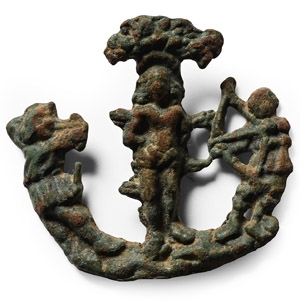
Medieval Bronze St. Edmunds Pilgrim's Badge
1450-1525 A.D.Sold for (Inc. bp): £416
Flat openwork badge with low-relief design of King (St.) Edmund of East Anglia tied to a tree flanked by two bowmen aiming at him, in a foliage setting; scar for attachment pin to reverse. 35.3 grams, 28 mm
Found Kettering, Northamptonshire, UK. From an old private collection of Norfolk, UK, gentleman, formed since 1998. -
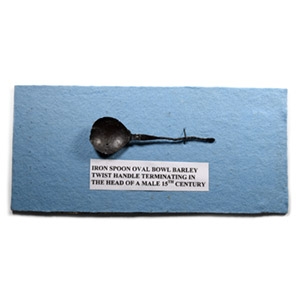
Medieval Iron Spoon with Barley Twist Handle
Circa 14th-16th century A.D.Sold for (Inc. bp): £111
A spoon with broad bowl and barley twist handle and face to the finial, mounted on a fabric-covered display board with titling panel. 228 grams total, spoon: 15.7 cm
From the collection of the famous author, writer and speaker, Gordon Bailey, Essex, UK; formed since 1968.
