
Loading, please wait...
LOT 1600
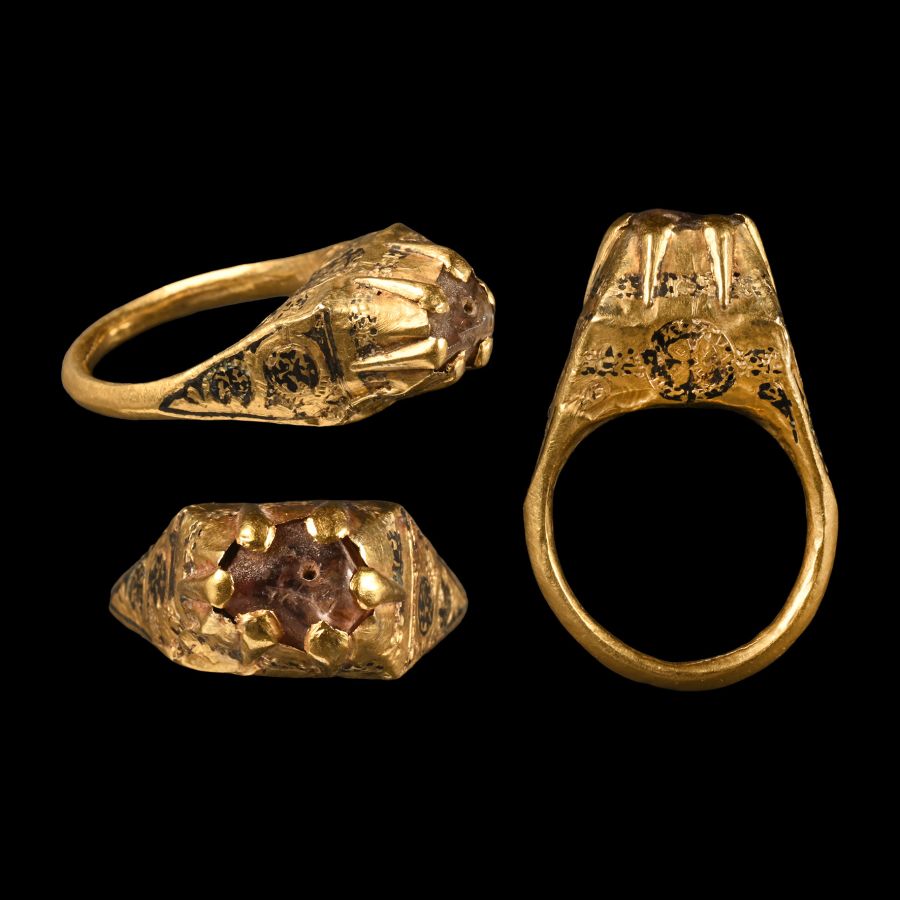
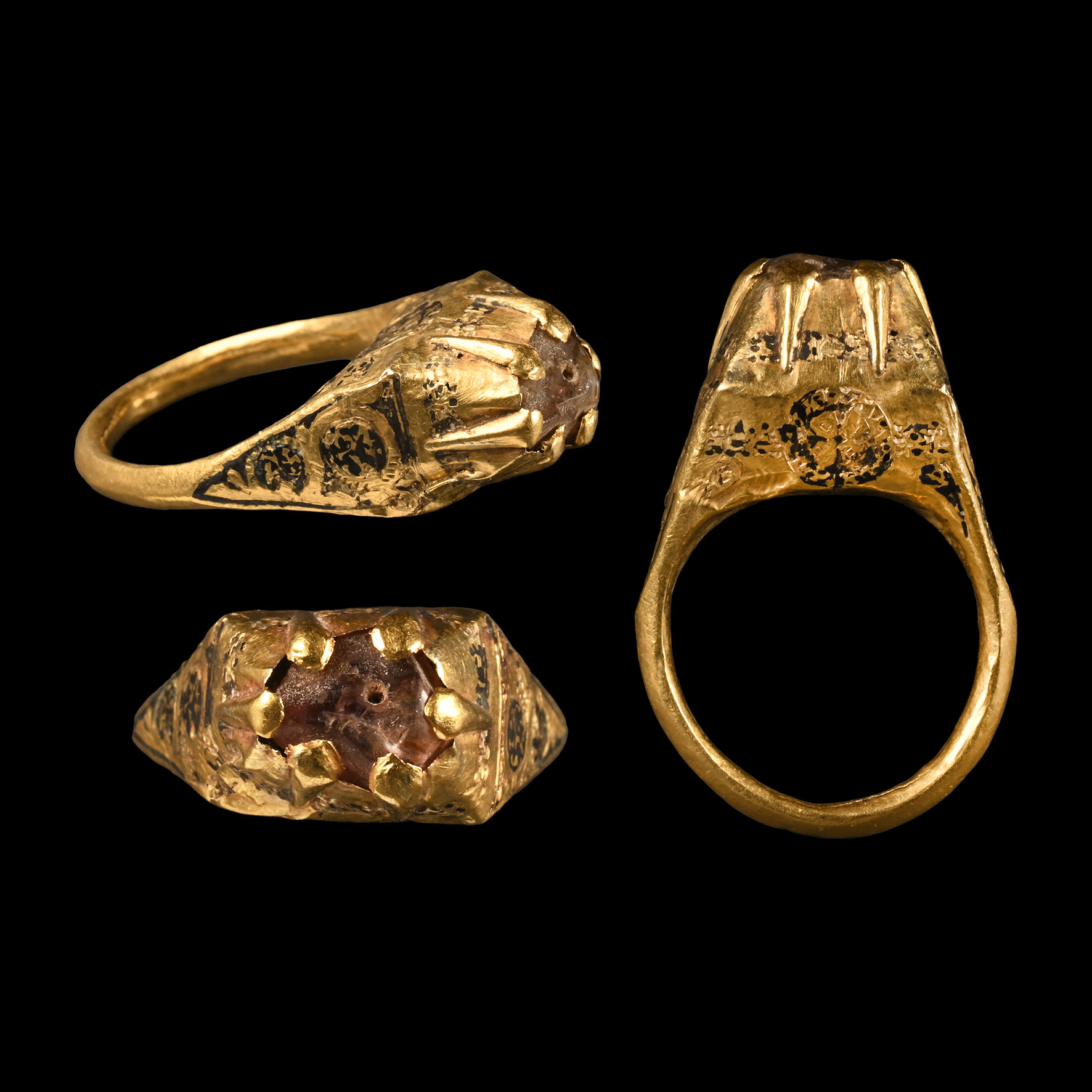
Medieval Period Enamelled Gold Ring with Gem
10TH-13TH CENTURY A.D.
1 in. (3.38 grams, 28.23 mm overall, 15.04 mm internal diameter (approximate size British H 1/2, USA 4, Europe 6.81, Japan 6)).
Carinated hoop with pentagonal pyramid bezel with a polished amethyst gemstone in a claw setting, scrolling vegetation and stippling to the shoulders and sidewalls enhanced with black enamelling.
ProvenanceAcquired 1990s-early 2000s.
East Anglian private collection.
TimeLine Auctions follows a vetting process to ensure the authenticity and legality of all items, reinforcing our commitment to integrity and responsible trading. Each antiquity, antique, and coin lot undergoes thorough examination by a vetting committee of at least ten external specialists, professional trade association members, scientists, and archaeologists: Our Vetting Process
AUCTIONS:
TimeLine is a leading auction house specialising in antiquities, ancient art, collectables, natural history, coins, medals, and books. Our auctions offer museums, collectors, historians, and enthusiasts the opportunity to acquire unique and historically significant pieces.
-
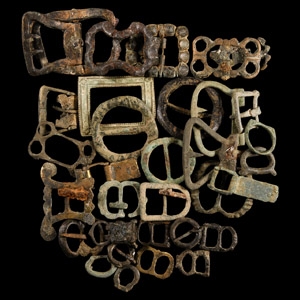
Medieval to Post Medieval 'Thames' Bronze Buckle Group
15th-18th century A.D.Sold for (Inc. bp): £22
Mainly comprising buckle frames of various dates, types and sizes, including decorative examples. 127 grams total, 13-50 mm
Found Thames foreshore spoil, 1980s. -
.jpg)
Medieval Pewter Phallic Retainer's Badge
14th-15th century A.D.Sold for (Inc. bp): £416
Formed as a penis with crowned head and wings, stylised detailing; pin absent. 3.82 grams, 38 mm
European collection, 1990s. Property of a Cambridgeshire, UK, gentleman. -
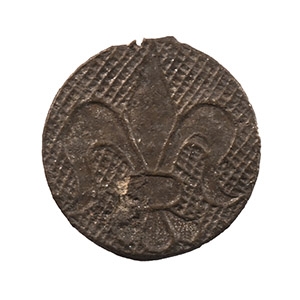
Medieval Thames Pewter Bifacial Wine Tavern Token
Circa 14th-15th century A.D.Sold for (Inc. bp): £13
Of discoid form with designs in relief: a hatched Christian cross with ornament to each quarter; a fleur-de-lis against a hatched field. 0.61 grams, 1.6 cm
Found Billingsgate spoil from the Thames foreshore, London, UK.
