
Loading, please wait...
LOT 0383
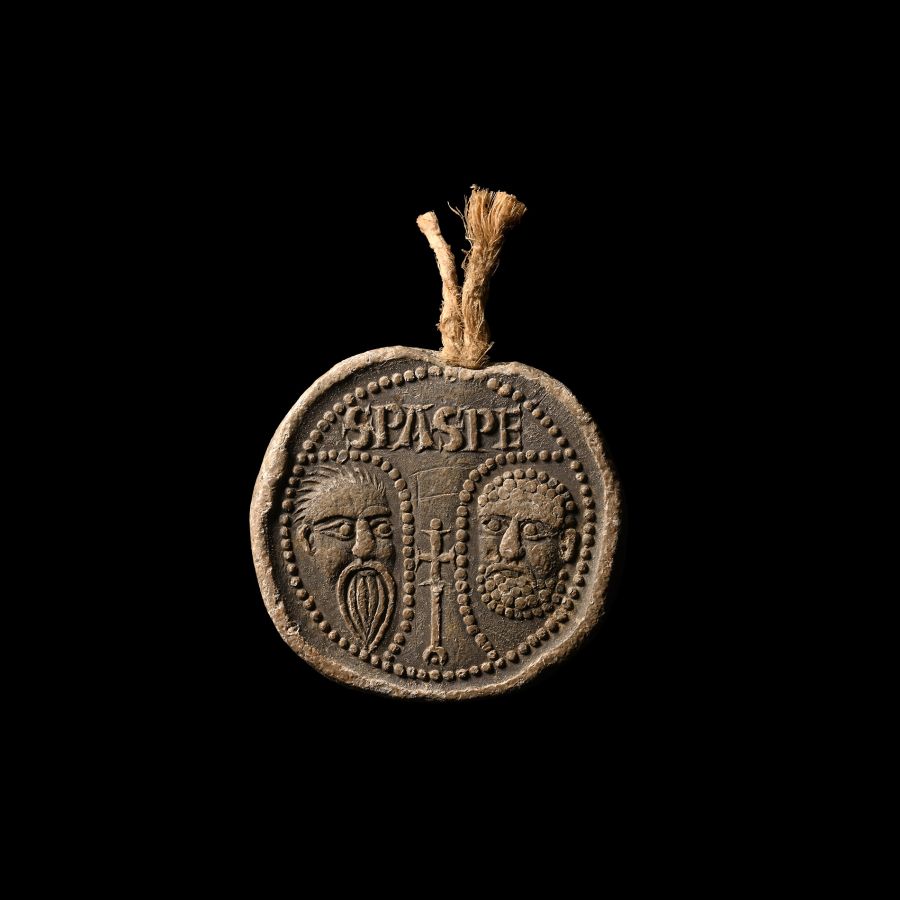
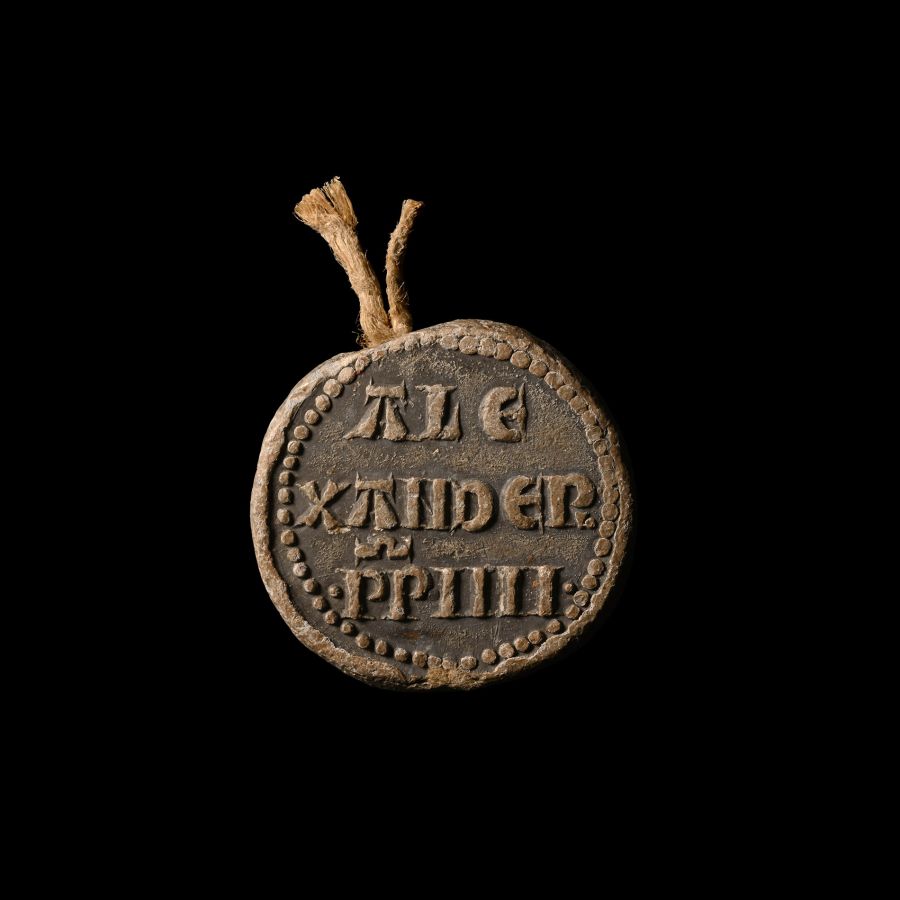
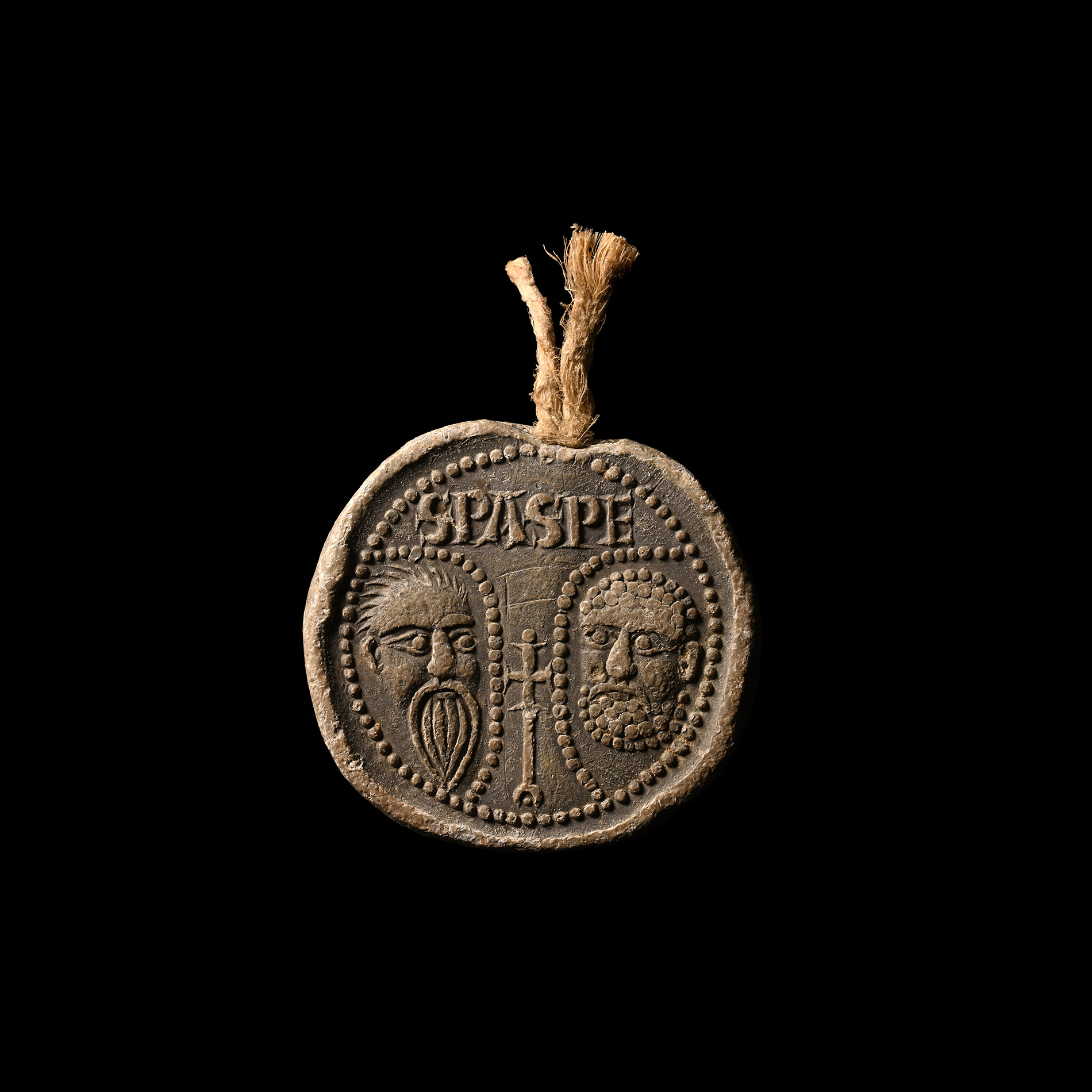
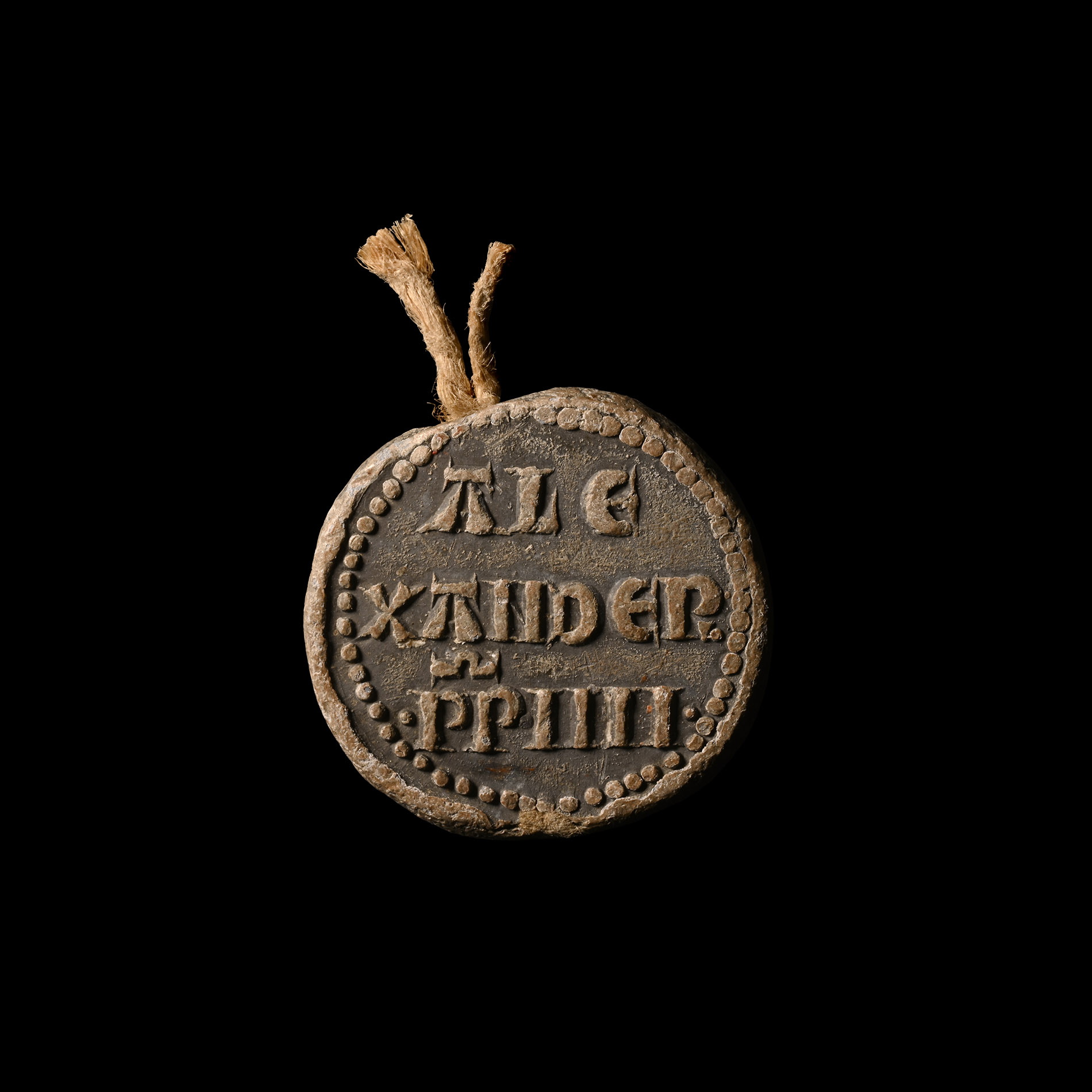
Medieval Lead Papal Bulla Seal of Pope Alexander IV
1254-1261 A.D.
1 1/2 in. (49 grams, 39 mm).
(Rinaldo Di Segni); First Type, obverse with facing busts of Saints Paul and Peter with 'SPA SPE' inscription above and long cross between; reverse with 'ALE XANDER PP IIII' inscription in three lines.
ProvenanceEx 6th Earl of Arran (Sir Arthur Gore), 1920.
LiteratureCf. de Gray Birch, W., Seals in the Department of Manuscripts in the British Museum, Vol. 6, p.275, no. 12,791, pl. VII; D'Arcq, no. 6049 (from a Bull dated 1255 AD).
CONDITIONTimeLine Auctions follows a vetting process to ensure the authenticity and legality of all items, reinforcing our commitment to integrity and responsible trading. Each antiquity, antique, and coin lot undergoes thorough examination by a vetting committee of at least ten external specialists, professional trade association members, scientists, and archaeologists: Our Vetting Process
AUCTIONS:
TimeLine is a leading auction house specialising in antiquities, ancient art, collectables, natural history, coins, medals, and books. Our auctions offer museums, collectors, historians, and enthusiasts the opportunity to acquire unique and historically significant pieces.
-
Medieval Silver Hair Pin Group
12th-15th century A.D.Sold for (Inc. bp): £234
Comprising five pins, each with a slender tapering stem and decorative bulbous finial, each displaying a different design, including openwork, filigree and granulated ornament. 32.3 grams total, 10-12.5 cm
From the collection of an EU gentleman formed in the 1990s. Acquired on the UK art market. -
Medieval Published 'Thames' Pewter Pilgrim's Badge
15th century A.D.Sold for (Inc. bp): £143
Comprising the lower, semi-circular portion of an openwork badge with image of the three kings or magi from the Nativity story; produced at Cologne, Germany; held in a hinged jewellery box. 2.2 grams, 42 mm
Found Thames foreshore spoil, 1980s. -
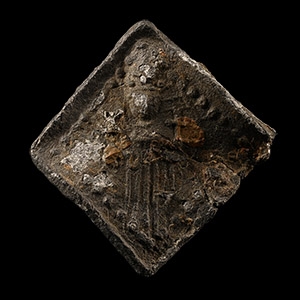
Medieval 'Thames' Pewter Henry VI Pilgrim's Badge
14th-15th century A.D.Sold for (Inc. bp): £33
Lozengiform badge with pelletted border, facing image of King Henry VI in relief; remains of pin to reverse. 3.2 grams, 22 mm
Found Thames foreshore spoil, 1980s and recorded with Museum of London.
