
Loading, please wait...
LOT 1673
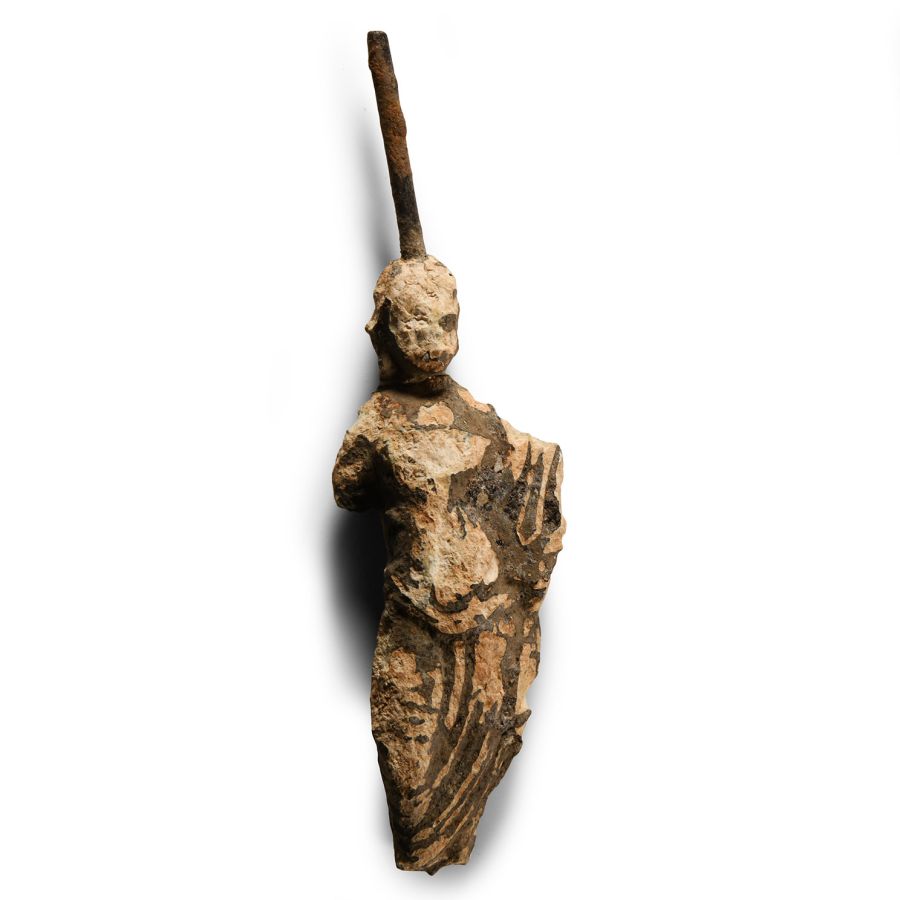
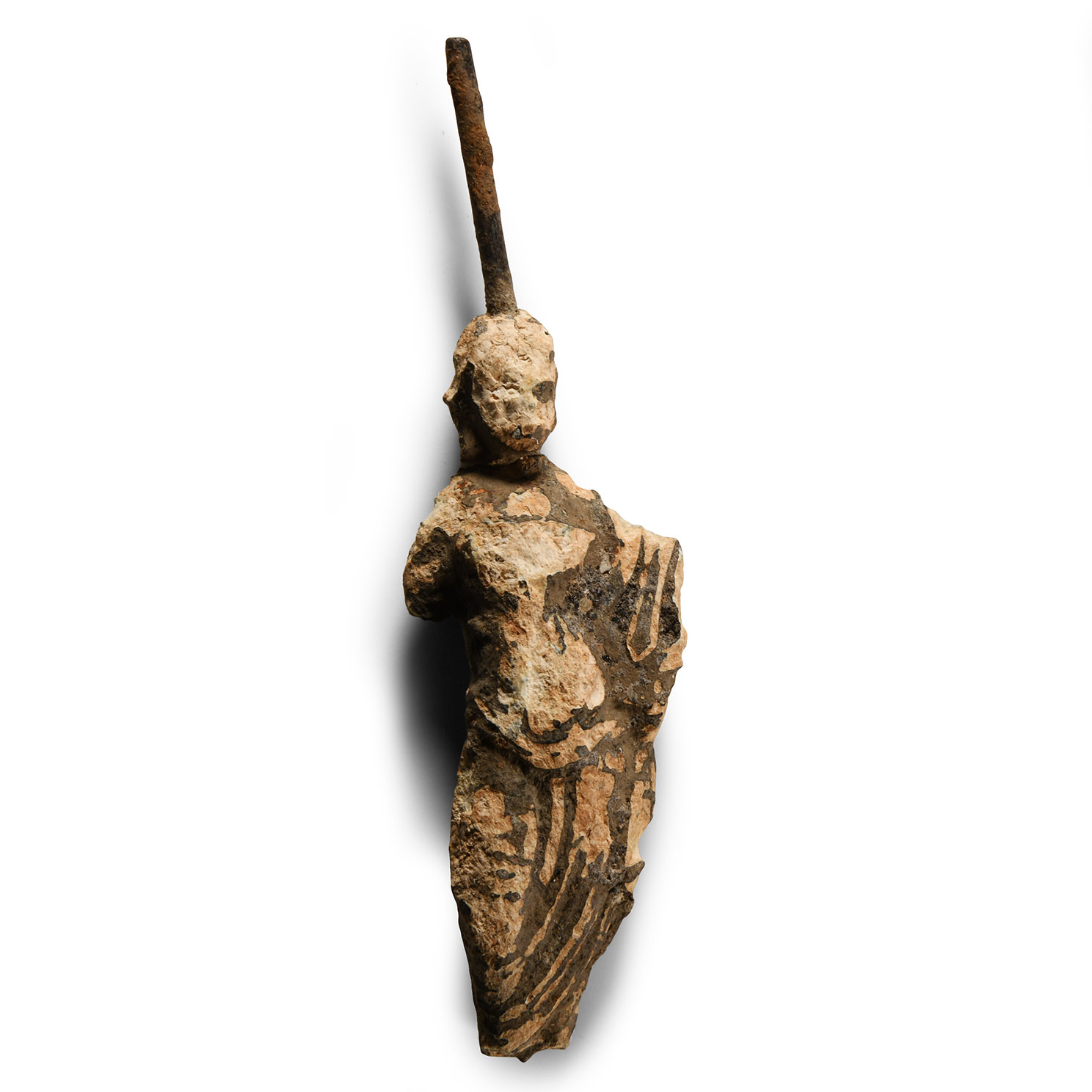
Medieval Lead Figure of a Noble Woman
14TH CENTURY A.D.
4 3/4 in. (103 grams, 12 cm).
Modelled in the round standing female figure wearing an elegantly draped ankle-length robe, left arm extended; mounting spike to head; possibly image of a saint [No Reserve]
ProvenanceFound near Wetwang, East Yorkshire, UK.
Acquired circa 2005.
Ian Wilkinson collection, Nottinghamshire, UK.
Cf. PAS IOW-40E078, for a similar figure in lead-alloy.
FootnotesDespite the classical-influenced drapery, the figure has a belt around her waist and wears a fitted kirtle (dress), a style of clothing from the 14th century. Similar statuettes, maybe votive images of saints, have been found across England.
CONDITIONTimeLine Auctions follows a vetting process to ensure the authenticity and legality of all items, reinforcing our commitment to integrity and responsible trading. Each antiquity, antique, and coin lot undergoes thorough examination by a vetting committee of at least ten external specialists, professional trade association members, scientists, and archaeologists: Our Vetting Process
AUCTIONS:
TimeLine is a leading auction house specialising in antiquities, ancient art, collectables, natural history, coins, medals, and books. Our auctions offer museums, collectors, historians, and enthusiasts the opportunity to acquire unique and historically significant pieces.
-
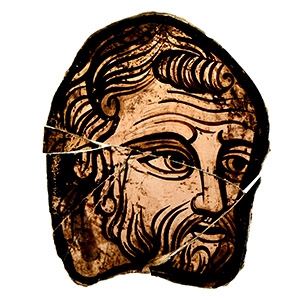
Medieval Stained Glass Panel of a Bearded Man
Germany, circa 1300 A.D.Sold for (Inc. bp): £195
Irregular fragment with detailed face of a man with flowing hair and beard, repaired. 40 grams, 97 mm
De Baecque Vente, Paris, France, 5 March 2022, no.46. Ex central London gallery. -
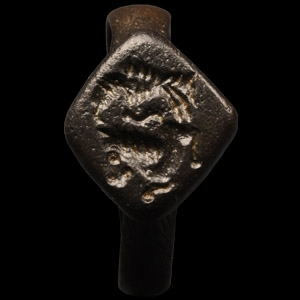
Medieval Bronze Signet Ring with Lion and Prey
12th-14th century A.D.Sold for (Inc. bp): £163
Lozengiform bezel with intaglio running horse with leaping lion pouncing above. 4.87 grams, 23.58 mm overall, 19.89 mm internal diameter (approximate size British R 1/2, USA 8 3/4, Europe 19.38, Japan 18)
Ex German art market, 2000s. Acquired from an EU collector living in London. From the collection of Surrey, UK, gentleman. -
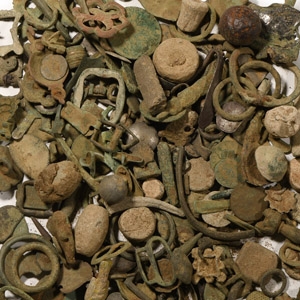
Medieval and Other Artefact Group
1st-20th century A.D.Sold for (Inc. bp): £65
Including milled coins, musket balls, buckle loops, belt and harness fittings, buttons and other items. 1.09 kg total, 12-62 mm
Found Cambridgeshire, UK.
