
Loading, please wait...
LOT 1871
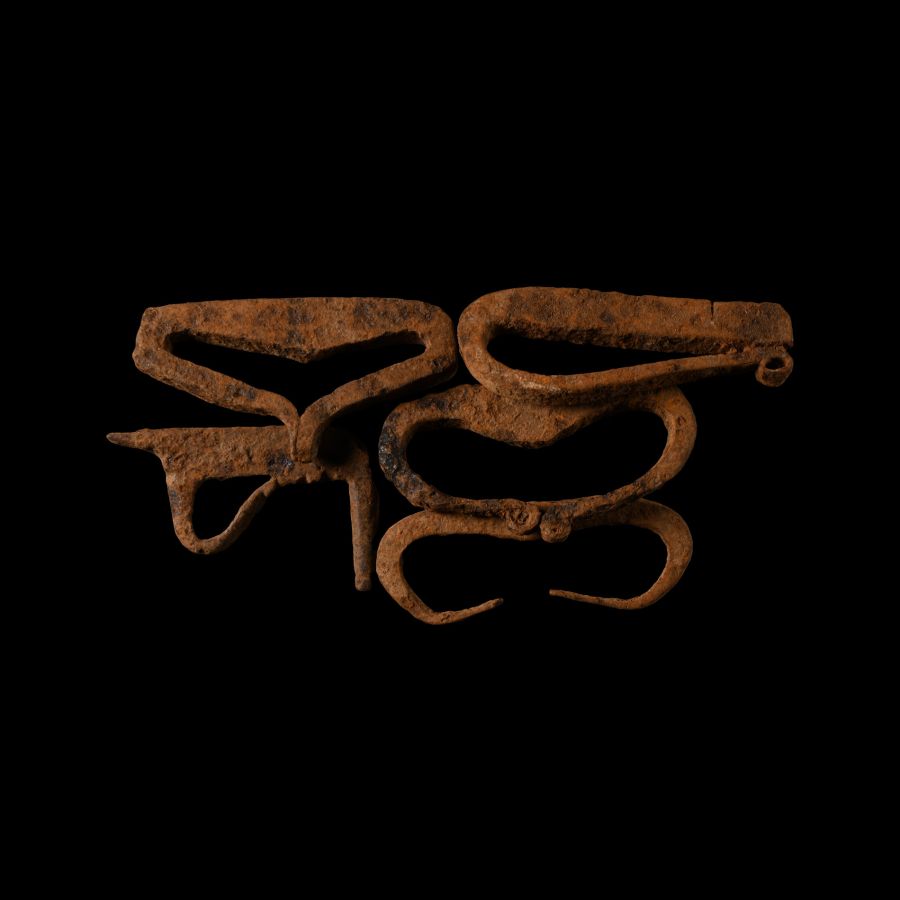
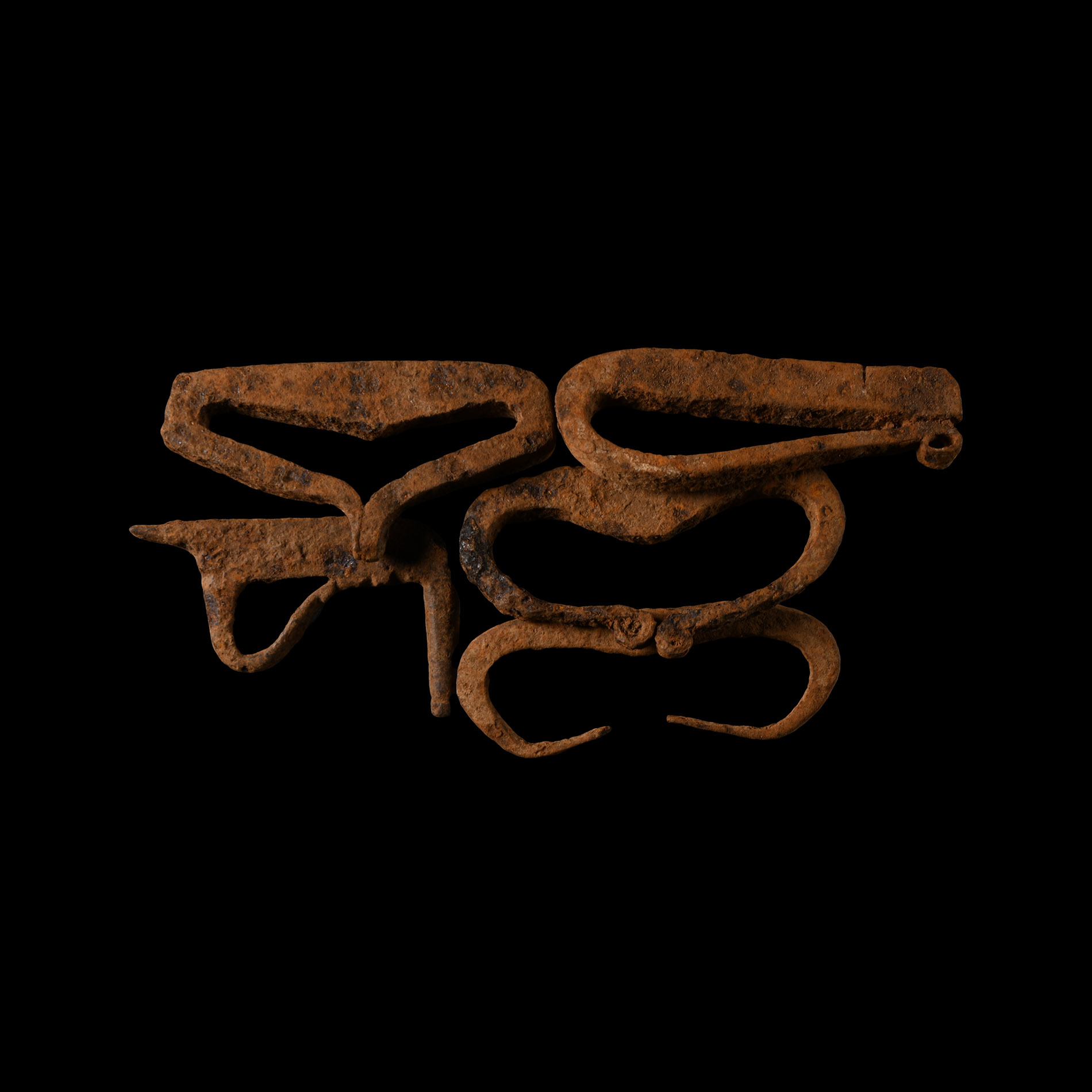
Medieval Iron Fire Starter Group
CIRCA 15TH-18TH CENTURIES A.D.
2 - 2 3/8 in. (148 grams total, 52-62 mm).
Including fire steels of various types with ornamental shaping. [5, No Reserve]
ProvenanceAcquired 1990s-early 2000s.
East Anglian private collection.
Cf. similar specimens in PAS, LON-6357F6,LON71B542, from London in Leahy, K. and Lewis, M., Finds Identified, London, 2020, p.155.
FootnotesFire steels were used to generate a spark from a 'strike-a-light' (a piece of flint or pyrite). The spark was directed into a tinder box containing a dry, flammable material such as charred linen until a flame was kindled.
CONDITIONTimeLine Auctions follows a vetting process to ensure the authenticity and legality of all items, reinforcing our commitment to integrity and responsible trading. Each antiquity, antique, and coin lot undergoes thorough examination by a vetting committee of at least ten external specialists, professional trade association members, scientists, and archaeologists: Our Vetting Process
AUCTIONS:
TimeLine is a leading auction house specialising in antiquities, ancient art, collectables, natural history, coins, medals, and books. Our auctions offer museums, collectors, historians, and enthusiasts the opportunity to acquire unique and historically significant pieces.
-
.jpg)
Medieval Bronze Buckle Collection
12th-16th century A.D.Sold for (Inc. bp): £46
Mixed group of mainly bronze buckles, buckle plates and buckle loops, some with mounting tags. 161 grams total, 13-42 mm
Found near York, UK. -
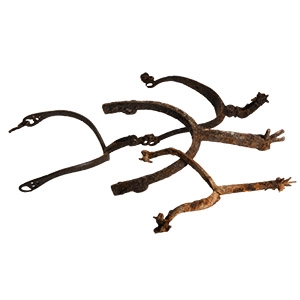
Medieval Iron Rowel Spur Collection
Circa 15th-16th century A.D.Sold for (Inc. bp): £104
Comprising examples of various types, including some retaining the rowel and fastening elements. 340 grams total, 11-19 cm
Acquired 1990s-early 2000s. East Anglian private collection.
These spurs belong to a type widespread in Western Europe with a six-pointed spur, often engraved, dating mostly between 1425 and 1450. -
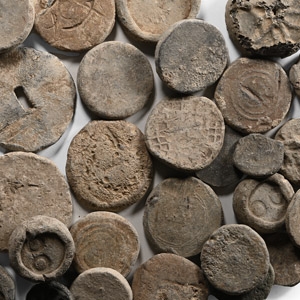
Medieval and Later Lead Weight and Token Collection
14th-20th century A.D.Sold for (Inc. bp): £13
Mainy discoid and barrel-shapd types, some with shallow recess, piercing and other embellishments. 1.2 kg total, 19-44 mm
Ex Simmons Gallery, 1990s.
