
Loading, please wait...
LOT 1693
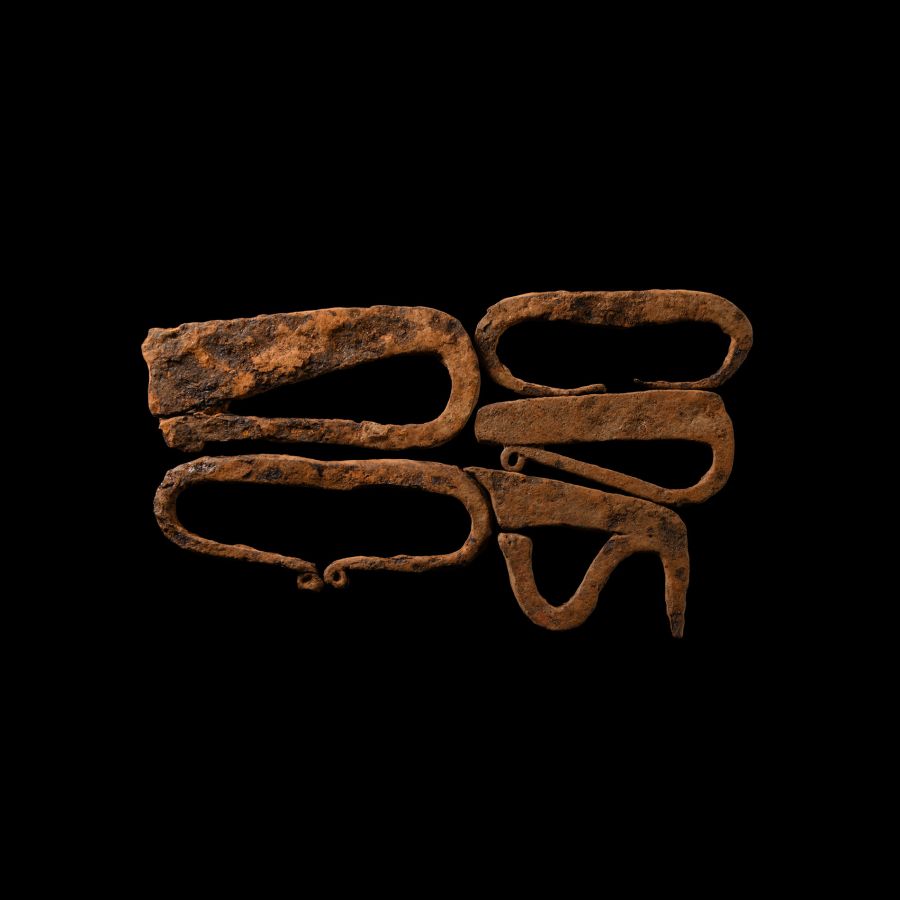
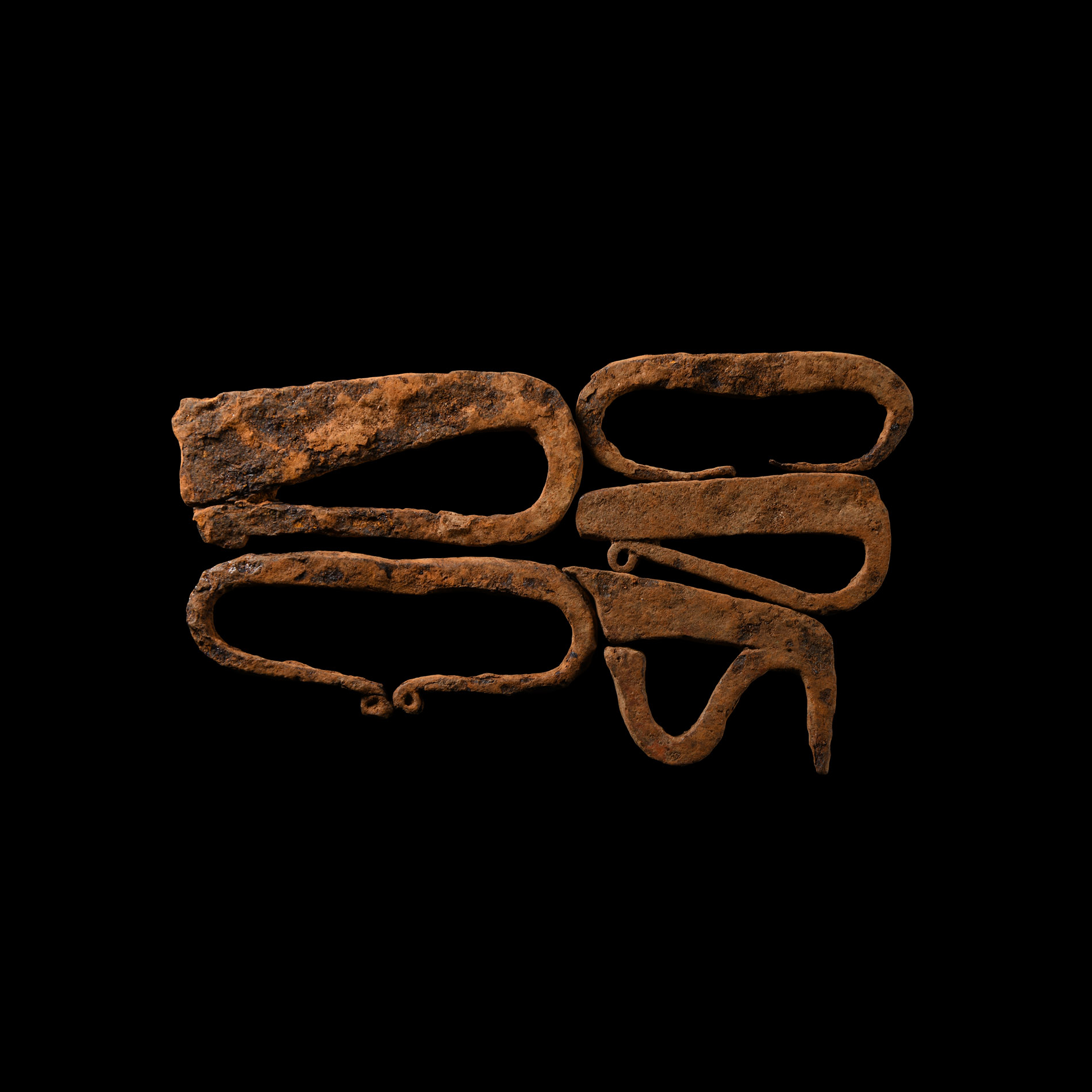
Medieval Iron Fire Starter Group
CIRCA 15TH CENTURY A.D.
1 7/8 - 2 3/4 in. (125 grams total, 48-70 mm).
Including fire steels of various types with ornamental shaping. [5]
ProvenanceAcquired 1990s-early 2000s.
East Anglian private collection.
TimeLine Auctions follows a vetting process to ensure the authenticity and legality of all items, reinforcing our commitment to integrity and responsible trading. Each antiquity, antique, and coin lot undergoes thorough examination by a vetting committee of at least ten external specialists, professional trade association members, scientists, and archaeologists: Our Vetting Process
AUCTIONS:
TimeLine is a leading auction house specialising in antiquities, ancient art, collectables, natural history, coins, medals, and books. Our auctions offer museums, collectors, historians, and enthusiasts the opportunity to acquire unique and historically significant pieces.
LOT 1693
Medieval Iron Fire Starter Group
Estimate £100 - 140€120 - 160 (for guidance only)$140 - 190 (for guidance only)
-
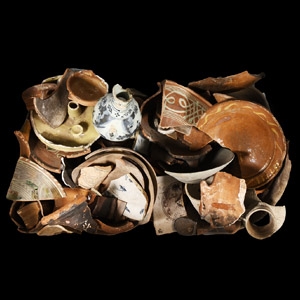
Medieval Glazed Pottery Fragment Group
15th century A.D. and laterSold for (Inc. bp): £7
Including decorated examples and a variety of vessel elements. 21 kg total including box, 69.5 x 30.5 cm
Acquired 1990s-early 2000s. East Anglian private collection. -
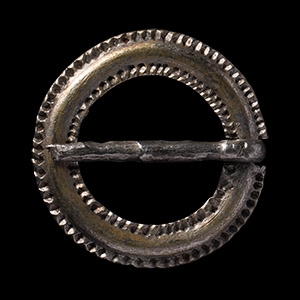
Medieval Silver Annular Brooch
13th-14th century A.D.Sold for (Inc. bp): £13
Featuring a domed upper face decorated with pecked marks; articulate tongue. 3.17 grams, 26 mm
From the collection of a North American gentleman, formed in the 1990s. -
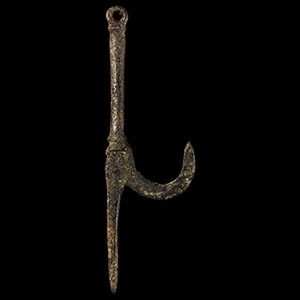
Medieval Bronze Lamp Hanger Hook
14th-15th century A.D. or earlierSold for (Inc. bp): £33
The cylindrical upper body with integral loop, rectangular-section lower body divided into a tapering vertical leg and arched hook. 22.2 grams, 10.7 cm
European collection, 1990s. Property of a Cambridgeshire, UK, gentleman.
