
Loading, please wait...
LOT 1555
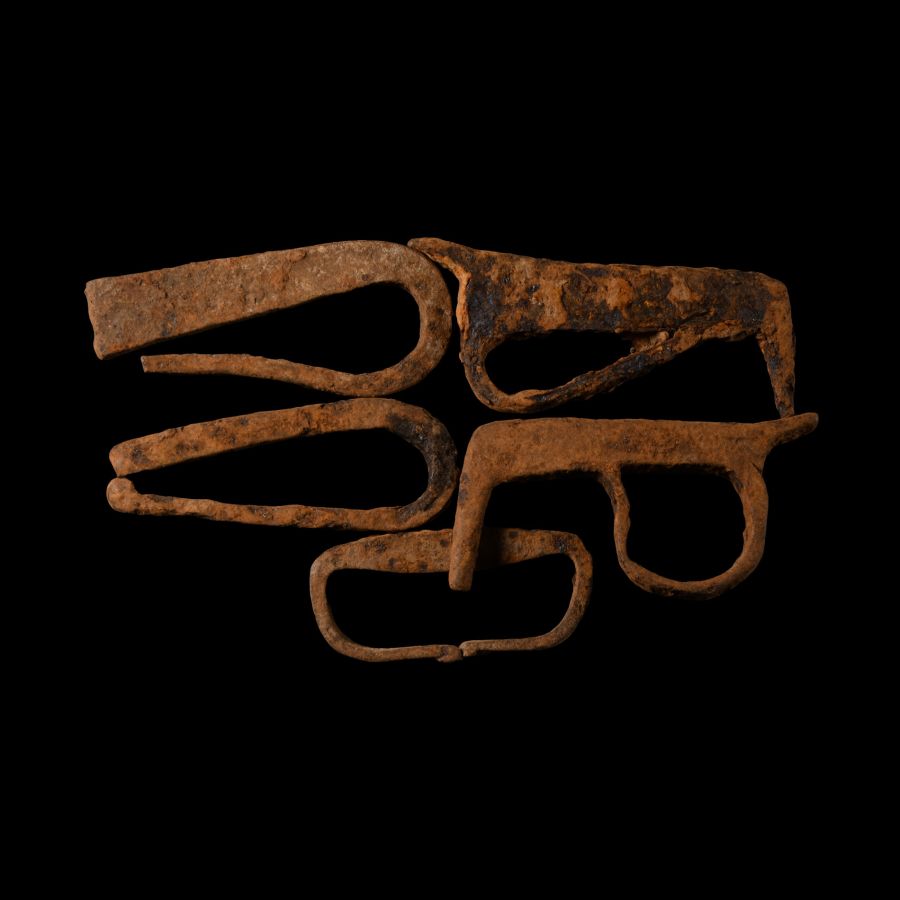
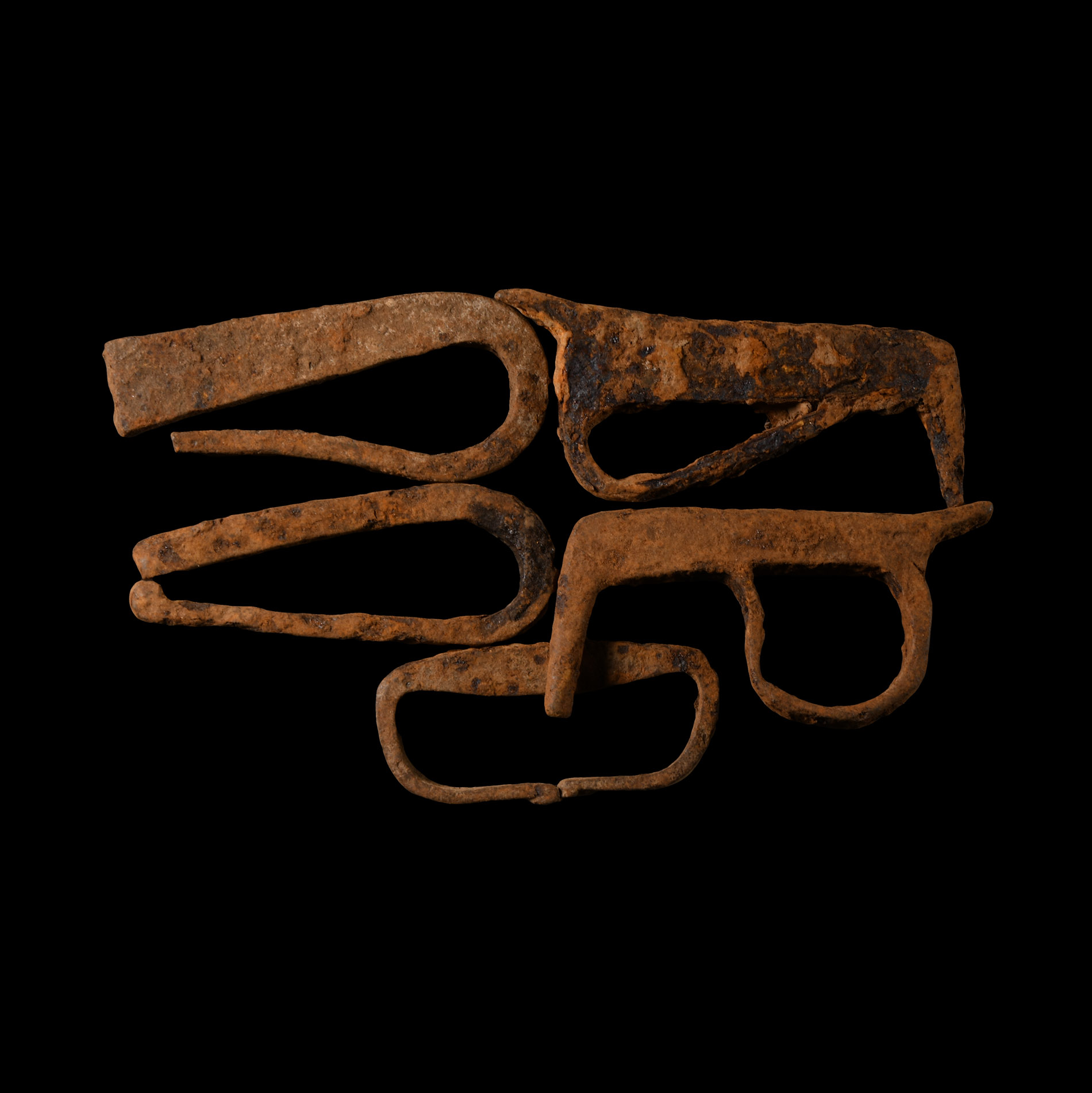
Medieval Iron Fire Starter Group
CIRCA 15TH CENTURY A.D.
2 - 3 in. (198 grams total, 54-76 mm).
Including fire steels of various types with ornamental shaping. [5]
ProvenanceAcquired 1990s-early 2000s.
East Anglian private collection.
TimeLine Auctions follows a vetting process to ensure the authenticity and legality of all items, reinforcing our commitment to integrity and responsible trading. Each antiquity, antique, and coin lot undergoes thorough examination by a vetting committee of at least ten external specialists, professional trade association members, scientists, and archaeologists: Our Vetting Process
AUCTIONS:
TimeLine is a leading auction house specialising in antiquities, ancient art, collectables, natural history, coins, medals, and books. Our auctions offer museums, collectors, historians, and enthusiasts the opportunity to acquire unique and historically significant pieces.
LOT 1555
Medieval Iron Fire Starter Group
Estimate £100 - 140€120 - 160 (for guidance only)$140 - 190 (for guidance only)
-
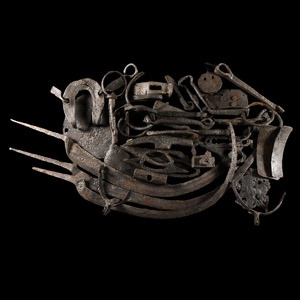
Medieval Iron Artefact Group
Circa 15th century A.D.Estimate: £100 - 140 (+bp*)
Opening Bid: £40
Mainly comprising fire steels, sickles, tools and other miscellaneous objects; cleaned and conserved. 1.8 kg total, 5-41.4 cm
Acquired 1990s-early 2000s. East Anglian private collection. -
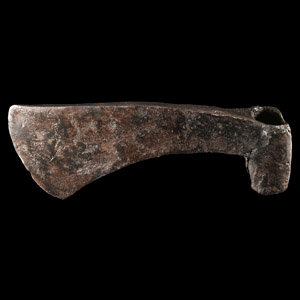
Medieval Iron Crescent-Shaped Axehead
13th-15th century A.D.Sold for (Inc. bp): £52
With a thick rectangular-section blade, curved edge and D-shaped section socket with elongated slender neck. 1 kg, 22 cm
Acquired 1971-1972. From the collection of the vendor's father. Property of a London, UK, collector.
A number of axes of this type have been found in Western Central Europe and the Baltic countries. They were mostly found in the second half of 13th century and 15th century A.D. contexts, but ichnographically attest that they were still in use in the 16th century A.D. -
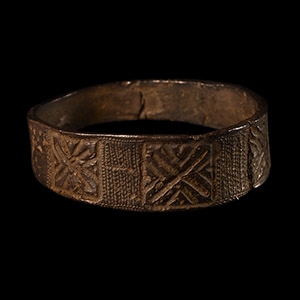
Norman Silver Ring with Saltire Crosses
Circa 11th-12th century A.D.Sold for (Inc. bp): £117
Composed of a flat-section hoop and expanded bezel, engraved panels displaying saltire crosses alternating with panels of dimples. 3.58 grams, 25.44 mm overall, 23.15 mm internal diameter (approximate size British W 1/2, USA 11 1/4, Europe 25.66, Japan 24)
Acquired 1990s-early 2000s. East Anglian private collection.
