
Loading, please wait...
LOT 1805
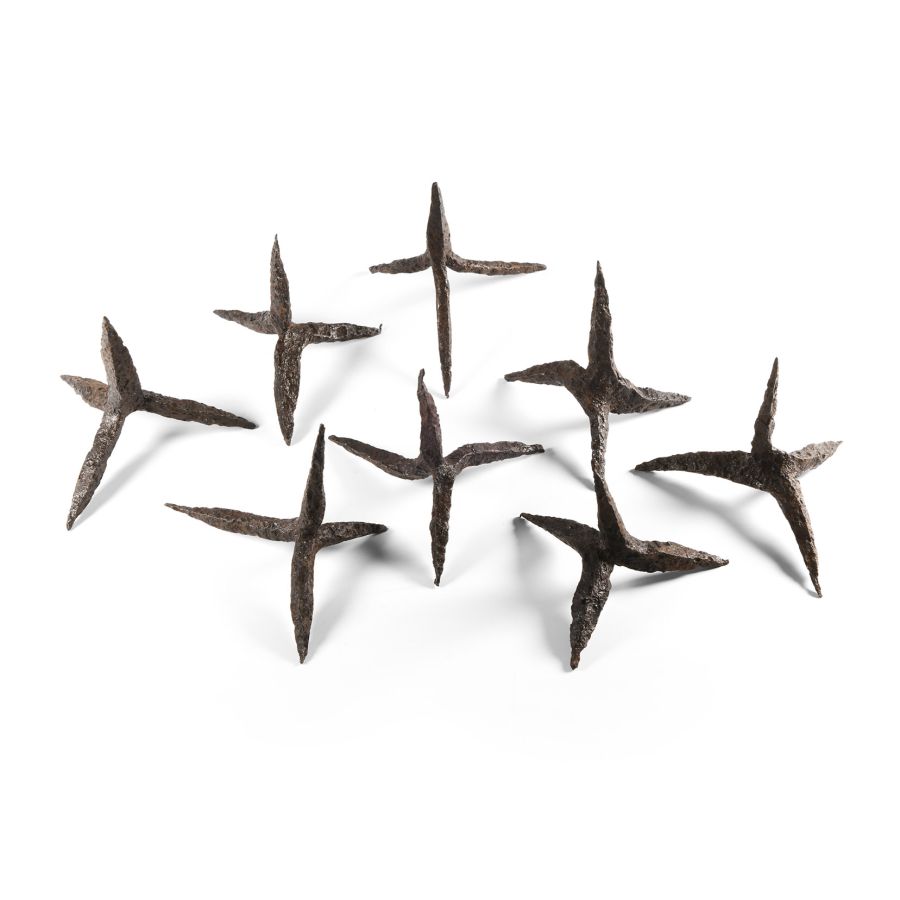
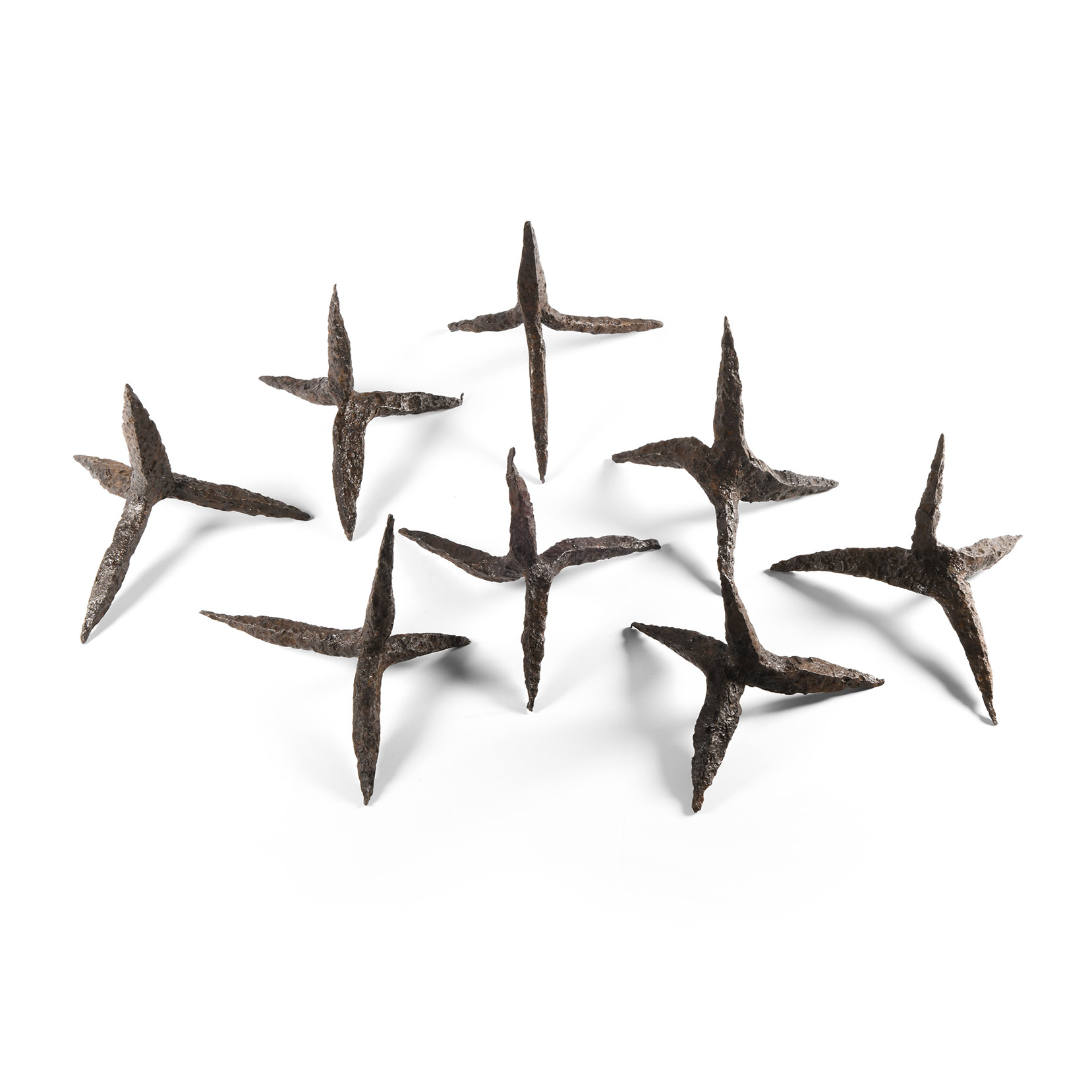
Medieval Iron Anti-Cavalry Caltrop Group
13TH-15TH CENTURY A.D.
3 3/8 - 3 3/4 in. (439 grams total, 88-95 mm).
Comprising eight caltrops, hand-forged with square-section spikes. [8, No Reserve]
ProvenanceAcquired 1971-1972.
From the collection of the vendor's father.
Property of a London, UK, collector.
Cf. Žákovský, P., ‘Caltrop. Contribution to the knowledge of one neglected weapon (in Bohemian language)’ in Studia Minora Facultatis Philosophicae Universitatis Brunensis, M 12-13, 2007-2008, pp.115-132, fig.9, no.4 (type 3 of Žákovský classification).
FootnotesCaltrops were scattered on battlefields in an effort to stop or slow advancing enemy cavalry or foot soldiers; regardless of how a caltrop lands, one spike is always facing upwards. In 1082, Emperor Alexios Komnenos used caltrops against the Norman cavalry in the Balkans but the Normans avoided them by flanking the Roman line.
CONDITIONTimeLine Auctions follows a vetting process to ensure the authenticity and legality of all items, reinforcing our commitment to integrity and responsible trading. Each antiquity, antique, and coin lot undergoes thorough examination by a vetting committee of at least ten external specialists, professional trade association members, scientists, and archaeologists: Our Vetting Process
AUCTIONS:
TimeLine is a leading auction house specialising in antiquities, ancient art, collectables, natural history, coins, medals, and books. Our auctions offer museums, collectors, historians, and enthusiasts the opportunity to acquire unique and historically significant pieces.
-
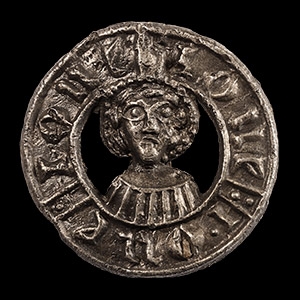
Published Medieval Thames Pewter 'LOVE LOVE LOVE' Secular Badge
Circa 14th-15th century A.D.Sold for (Inc. bp): £247
Discoid in plan with central openwork design showing a facing bust, surrounding roundel bearing 'LOVE : LOVE : LOVE' blackletter legend in relief; pin and catchplate intact to reverse. 2.88 grams, 2.5 cm
Found Billingsgate spoil from the Thames foreshore, London, UK. -
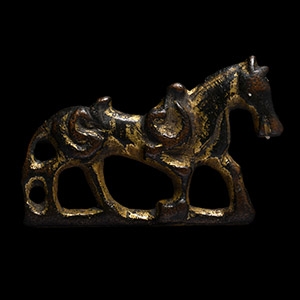
Medieval Gilt Bronze Horse Mount
14th-16th century A.D.Sold for (Inc. bp): £130
Comprising an openwork body, the horse advancing right on a groundline. 6.4 grams, 38 mm
From the collection of a North American gentleman, formed in the 1990s. -
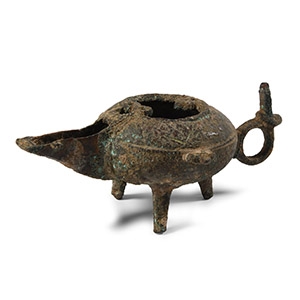
Medieval Period Eastern Bronze Oil Lamp
Circa 13th-15th century A.D.Sold for (Inc. bp): £21
The squat spherical body with ring handle and tripod feet, decorated with raised motifs and openwork foliage ornament. 398 grams, 18 cm
English collection, 1990s. Ex property of a Suffolk, UK, gentleman.
