
Loading, please wait...
LOT 0335
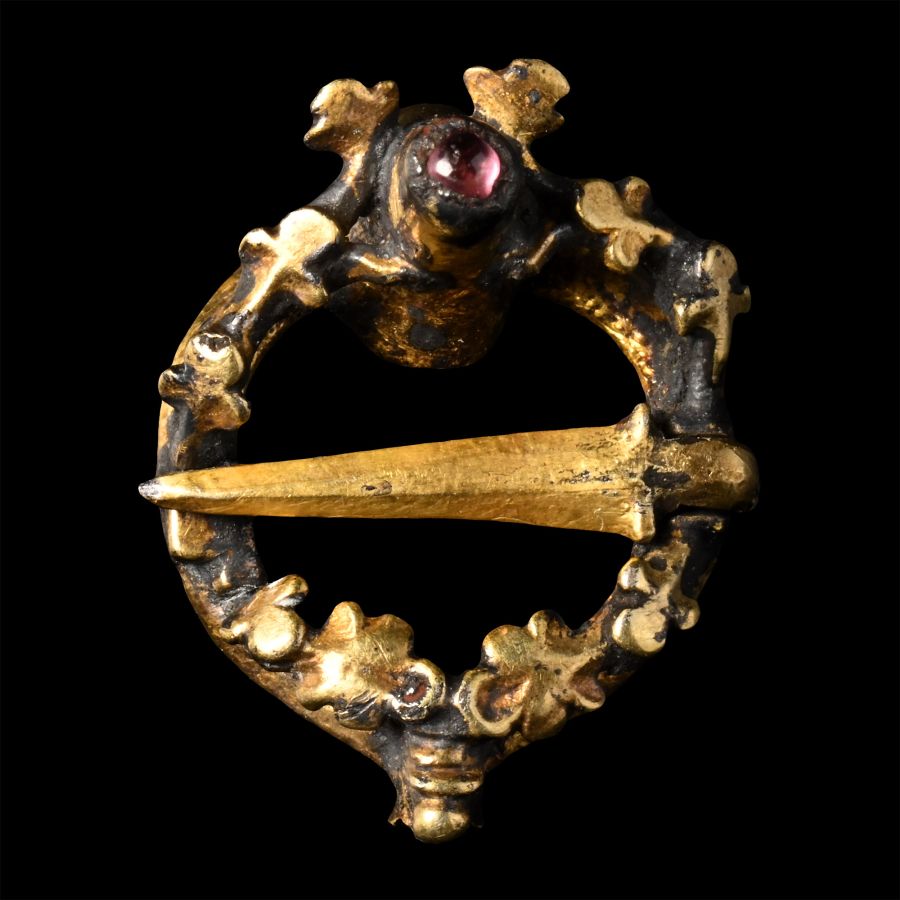
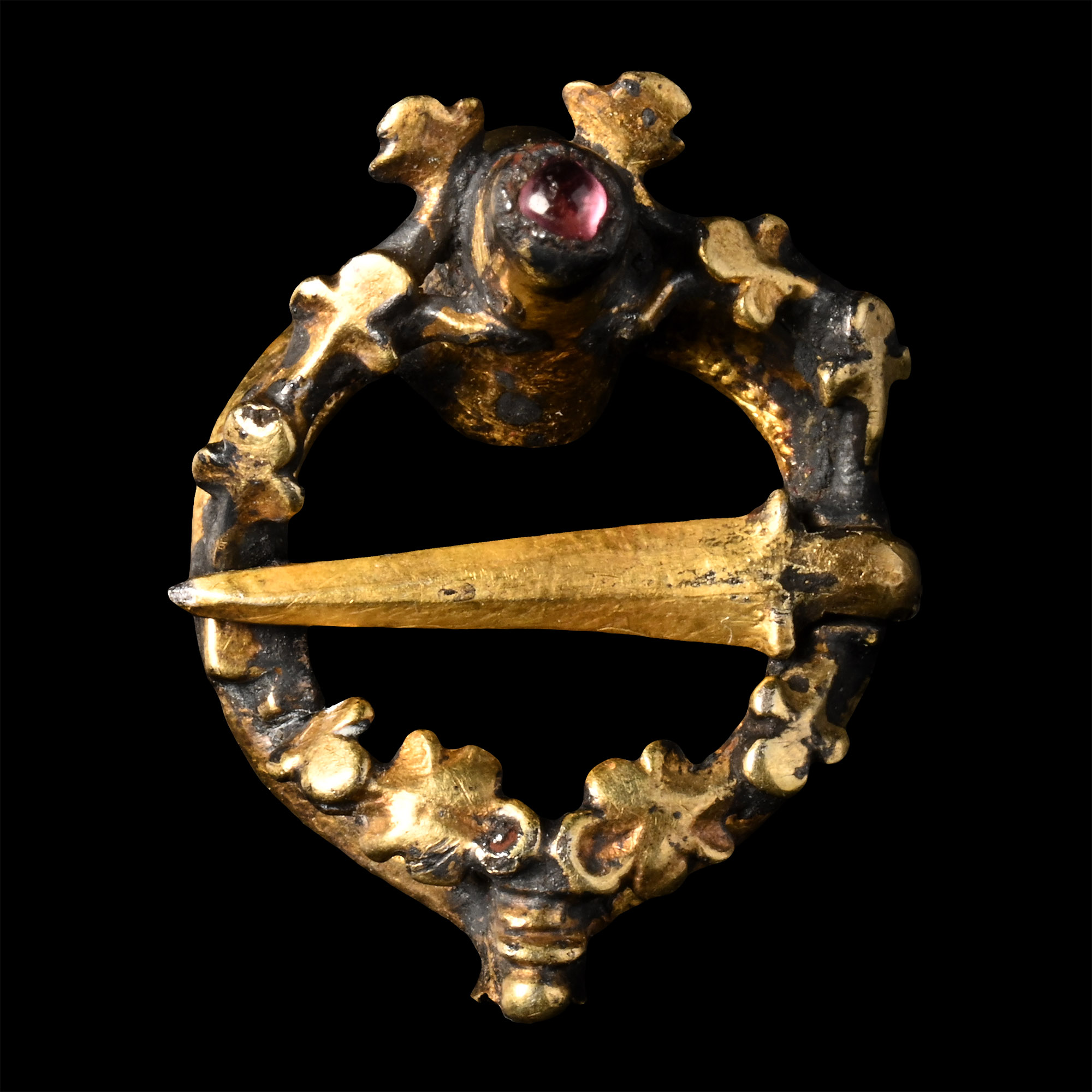
Medieval Gold Ring Brooch with Garnets
13TH-14TH CENTURY A.D.
3/4 in. (1.74 grams, 18 mm).
An annular brooch set with decorative oak leaves, tall collet at the top set with a garnet cabochon, dagger-shaped pin.
ProvenancePrivate collection, UK.
FootnotesIn medieval jewellery, garnets were highly prized for their deep red hue and believed mystical properties. Associated with protection, vitality, and divine love, garnets were thought to ward off illness, protect against injury, and illuminate the darkness—both literal and spiritual. Their rich colour made them a symbol of Christ’s sacrifice, and they frequently appeared in religious and funerary jewellery. Garnets were also connected to
concepts of faithfulness and truth, making them a popular choice in personal adornment and ecclesiastical pieces throughout the Middle Ages.
Oak trees were widely regarded as symbols of strength, stability, and endurance, owing to their longevity and robust nature. In jewellery, oak leaves could represent resilience, fortitude, and the ability to withstand adversity—virtues admired in both secular and religious life. Within Christian art and ornamentation, the oak also carried spiritual significance, evoking the Tree of Life and the strength of faith. It was often interpreted as a symbol of God’s protection, particularly in devotional objects or pieces with sacred motifs.
TimeLine Auctions follows a vetting process to ensure the authenticity and legality of all items, reinforcing our commitment to integrity and responsible trading. Each antiquity, antique, and coin lot undergoes thorough examination by a vetting committee of at least ten external specialists, professional trade association members, scientists, and archaeologists: Our Vetting Process
AUCTIONS:
TimeLine is a leading auction house specialising in antiquities, ancient art, collectables, natural history, coins, medals, and books. Our auctions offer museums, collectors, historians, and enthusiasts the opportunity to acquire unique and historically significant pieces.
-
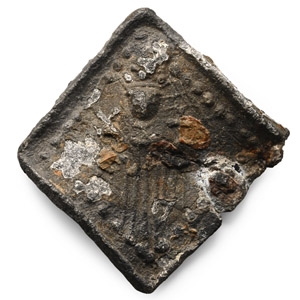
Medieval Pewter Pilgrim's Badge with Henry VI
Circa 14th-15th century A.D.Sold for (Inc. bp): £65
Lozengiform plaque with low-relief facing image of Henry VI with processional cross; pellets to the border; pin to the reverse. 3.17 grams, 22 mm
Found on the Thames foreshore, circa 2000. -
.jpg)
Medieval Pilgrim's Lead Holy Water Ampulla
Circa 14th century A.D.Sold for (Inc. bp): £26
With rectangular body, elliptical-section mouth, lateral loops; low-relief hatched panel, three heater shields with cross to each face. 46 grams, 48 mm
From a late private Buckinghamshire, UK, collector, his collection established from the 1990s. -
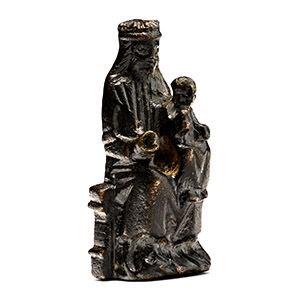
Medieval Bronze Seated Figure of Madonna and Child
England, 14th century A.D.Estimate: £450 - 650 (+bp*)
Opening Bid: £225
Modelled in the half-round, Mary crowned and seated, holding the infant Jesus on her left knee, the infant having his right hand raised in blessing gesture. 24.6 grams, 40 mm
Private collection, UK.
