
Loading, please wait...
LOT 1759
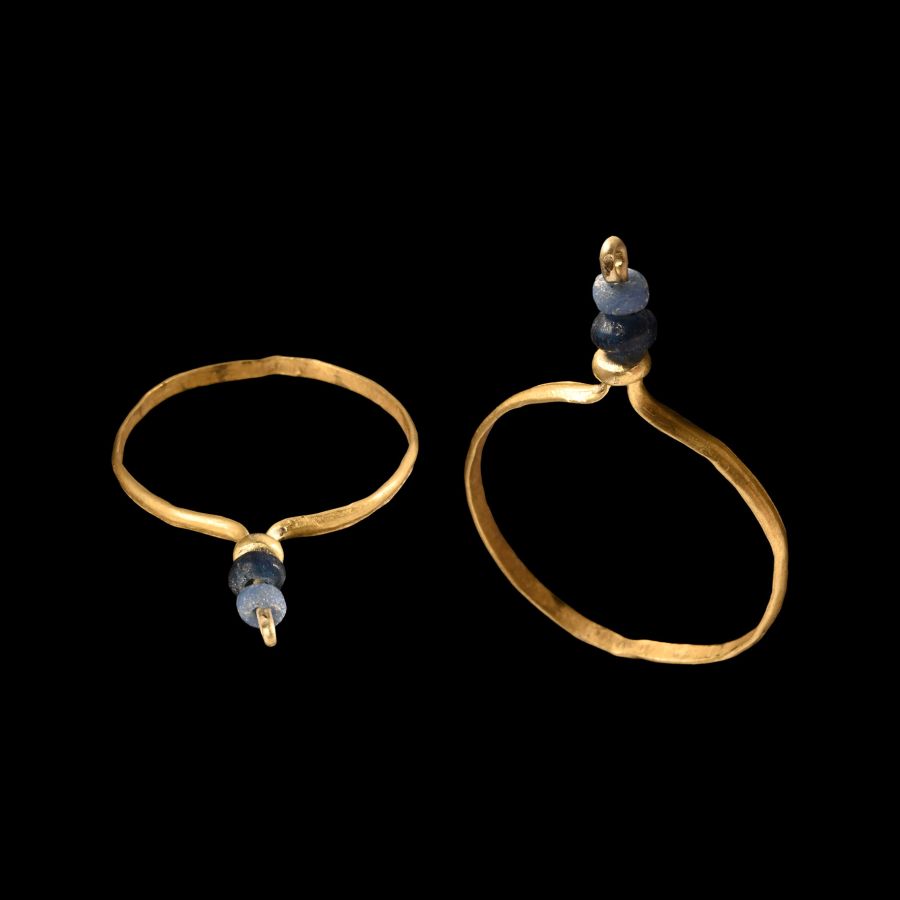
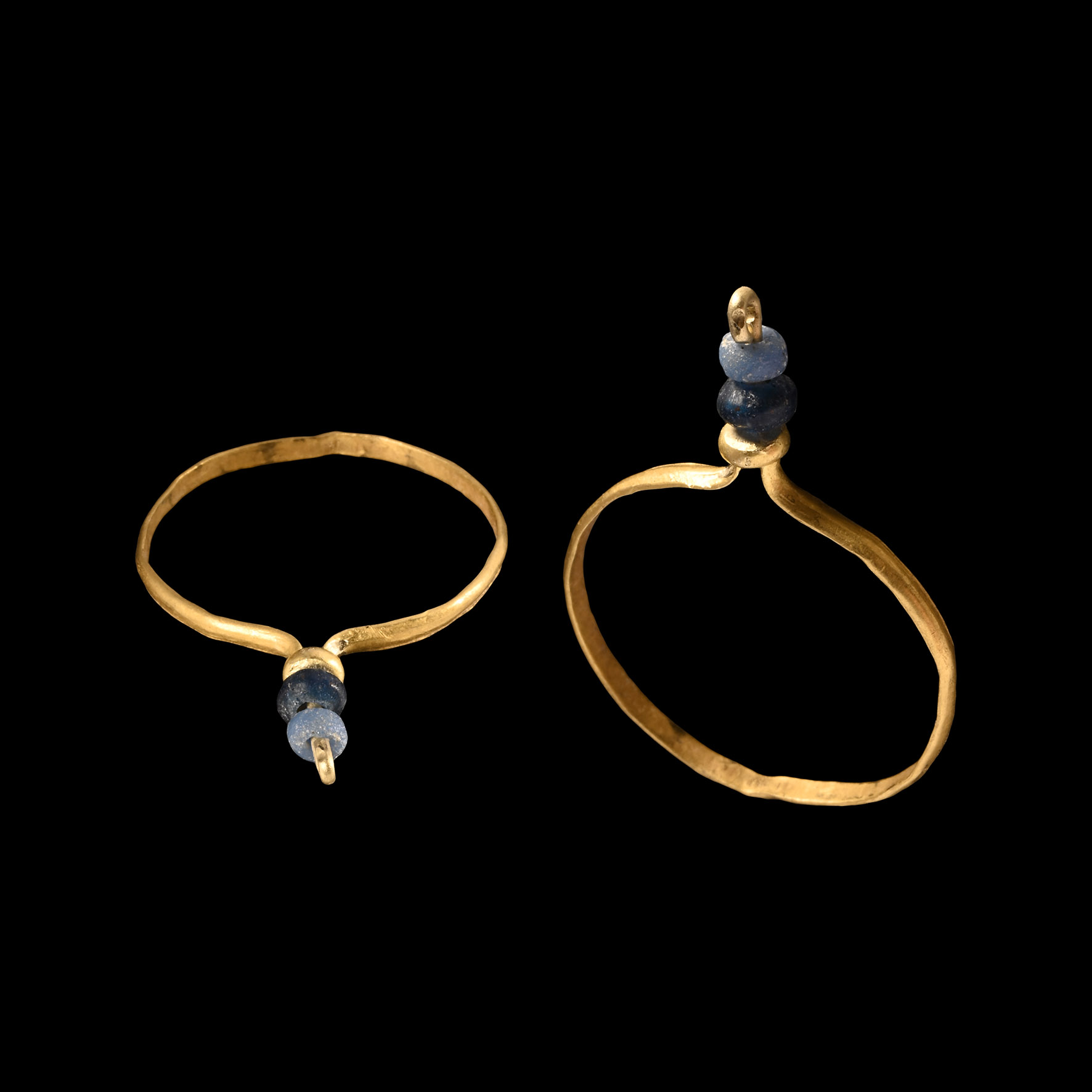
Medieval Gold Beaded Ring
14TH-16TH CENTURY A.D.
1 1/8 in. (1.04 grams, 28.17 mm overall, 18.82 mm internal diameter (approximate size British O 1/2, USA 7 1/4, Europe 15.61, Japan 15)).
Slender hoop with two small annular glass beads for the bezel.
ProvenanceFrom a late Japanese specialist collector, 1970-2000s.
CONDITIONTimeLine Auctions follows a vetting process to ensure the authenticity and legality of all items, reinforcing our commitment to integrity and responsible trading. Each antiquity, antique, and coin lot undergoes thorough examination by a vetting committee of at least ten external specialists, professional trade association members, scientists, and archaeologists: Our Vetting Process
AUCTIONS:
TimeLine is a leading auction house specialising in antiquities, ancient art, collectables, natural history, coins, medals, and books. Our auctions offer museums, collectors, historians, and enthusiasts the opportunity to acquire unique and historically significant pieces.
LOT 1759
Medieval Gold Beaded Ring
Estimate £120 - 170€140 - 200 (for guidance only)$160 - 230 (for guidance only)
-
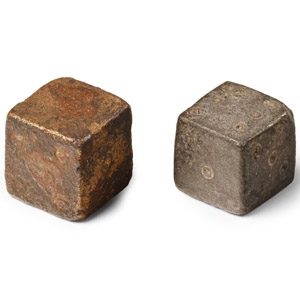
Medieval 'Thames' Bronze Gaming Dice Pair
12th-16th century A.D.Sold for (Inc. bp): £91
Each cuboid with marks disposed 1:6, 4:3, 2:5.; 1:2, 3:4, 5:6. 10.5 grams total, 8-9 mm
Found on the Thames foreshore, UK. From the important private collection of dice and gaming pieces of Colin Narbeth, London, UK, collection no.155. -
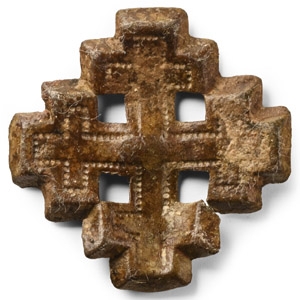
Medieval Bronze Knight's Holy Sepulchre Badge
Circa 13th-14th century A.D.Sold for (Inc. bp): £910
Formed as a cross-crosslet, the symbol of the Knights of the Holy Sepulchre, with punched-point border. 2.29 grams, 28 mm
Found whilst searching with a metal detector on a medieval site in Wiltshire in the mid 1980s.
The 'Equestrian Order of the Holy Sepulchre of Jerusalem' was an order of knighthood under the protection of the Pope, formed around 1099 AD by Duke Godfrey of Bouillon, the leader of the First Crusade. It was established for the protection of pilgrims travelling to the Holy Land and was recognised by a Papal Bull in about 1113 AD. -

Medieval Bronze Limoges Saint
13th century A.D.Sold for (Inc. bp): £169
Comprising a tongue-shaped curved-section body pierced in two places for attachment and forked lower end, with rounded shoulders and bowed head with soft features and short hair. 20 grams, 86 mm
From a collection acquired on the UK art market from various auction houses and collections mostly before 2000. From an important Cambridgeshire estate; thence by descent.
From the 12th to 14th century, there was a large industry producing metal objects decorated in enamel using the champlevé technique, of which most of the survivals and probably most of the original production, are religious objects such as reliquaries, crosses and statues of saints.
