
Loading, please wait...
LOT 0413
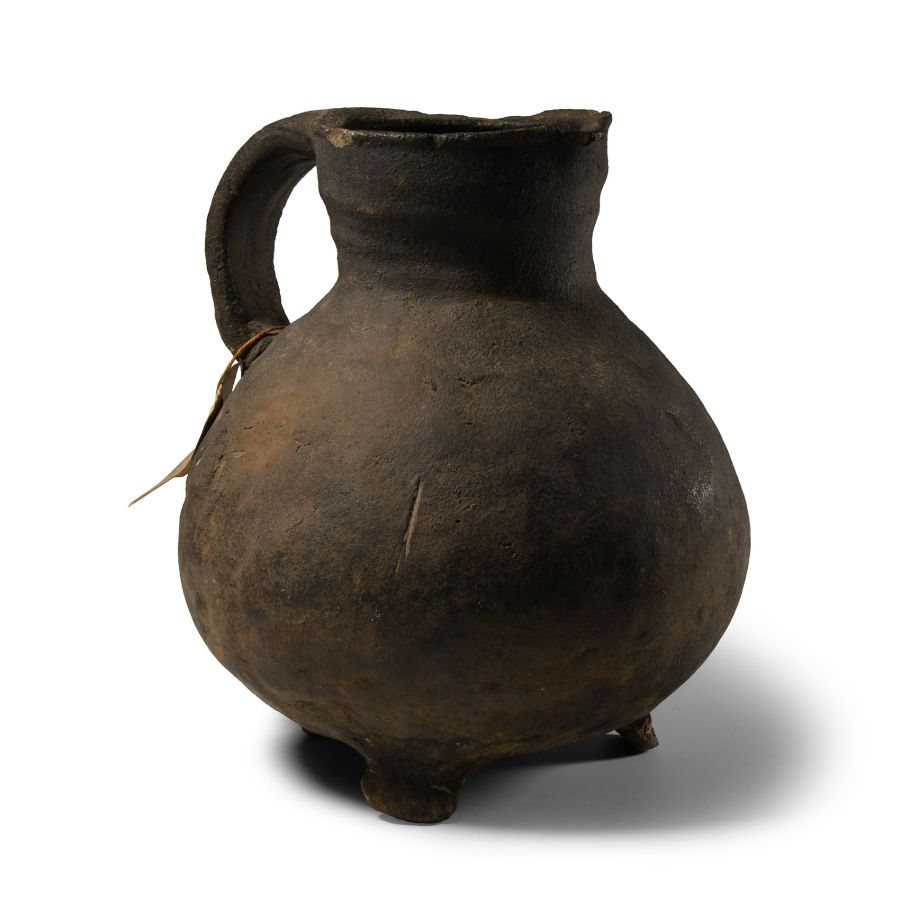
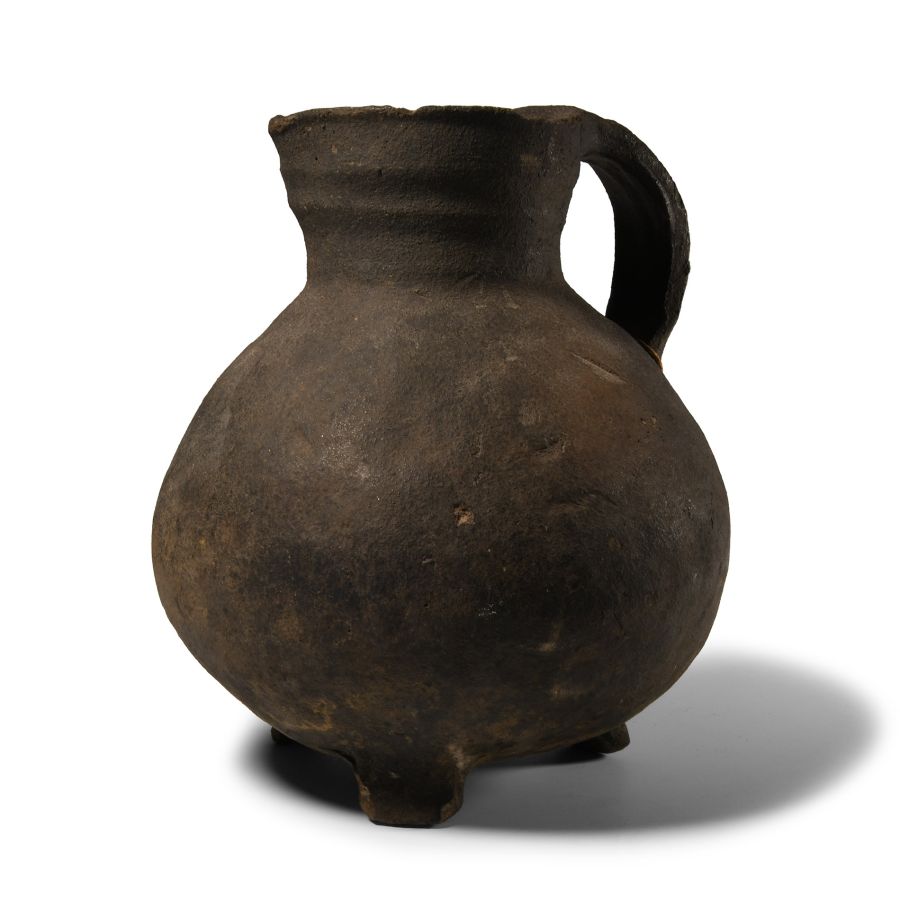
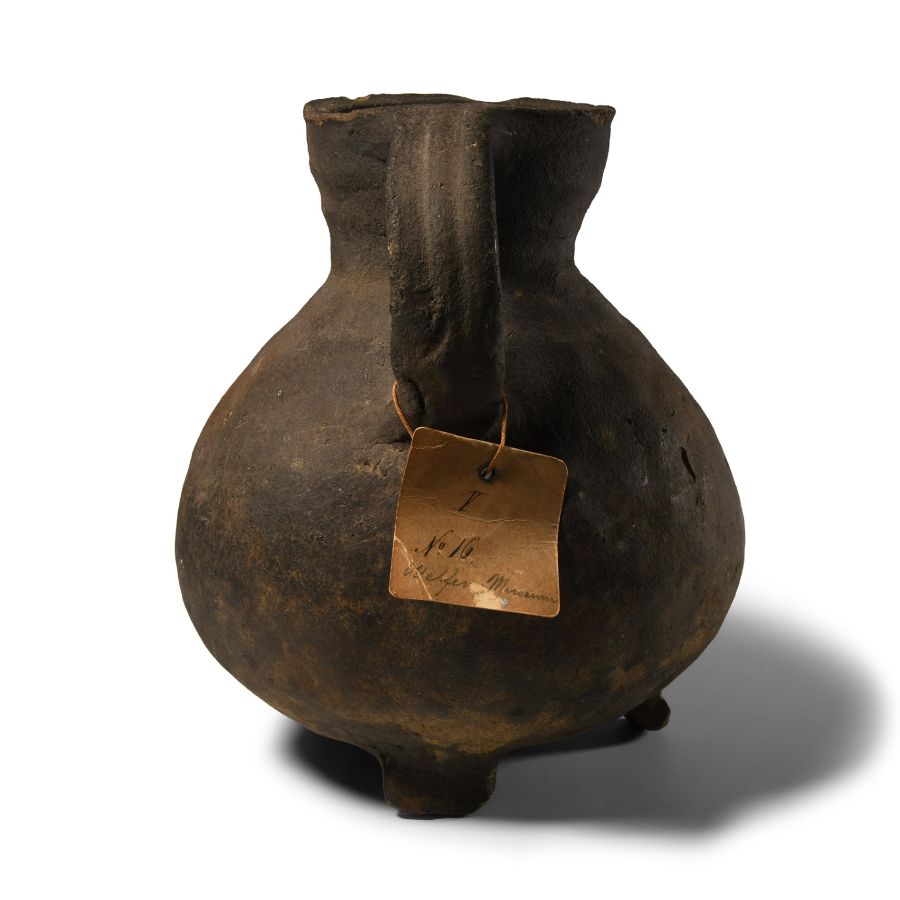
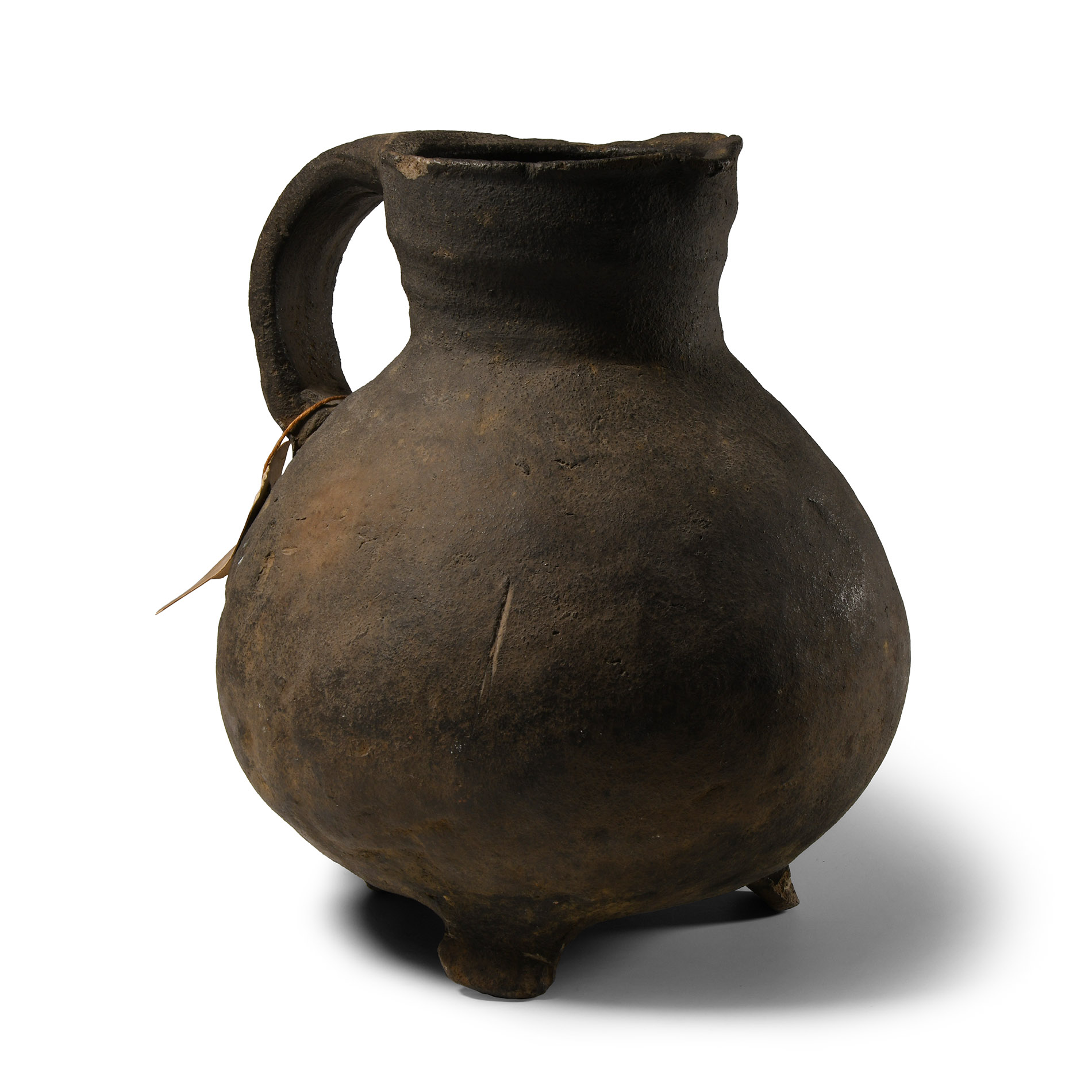
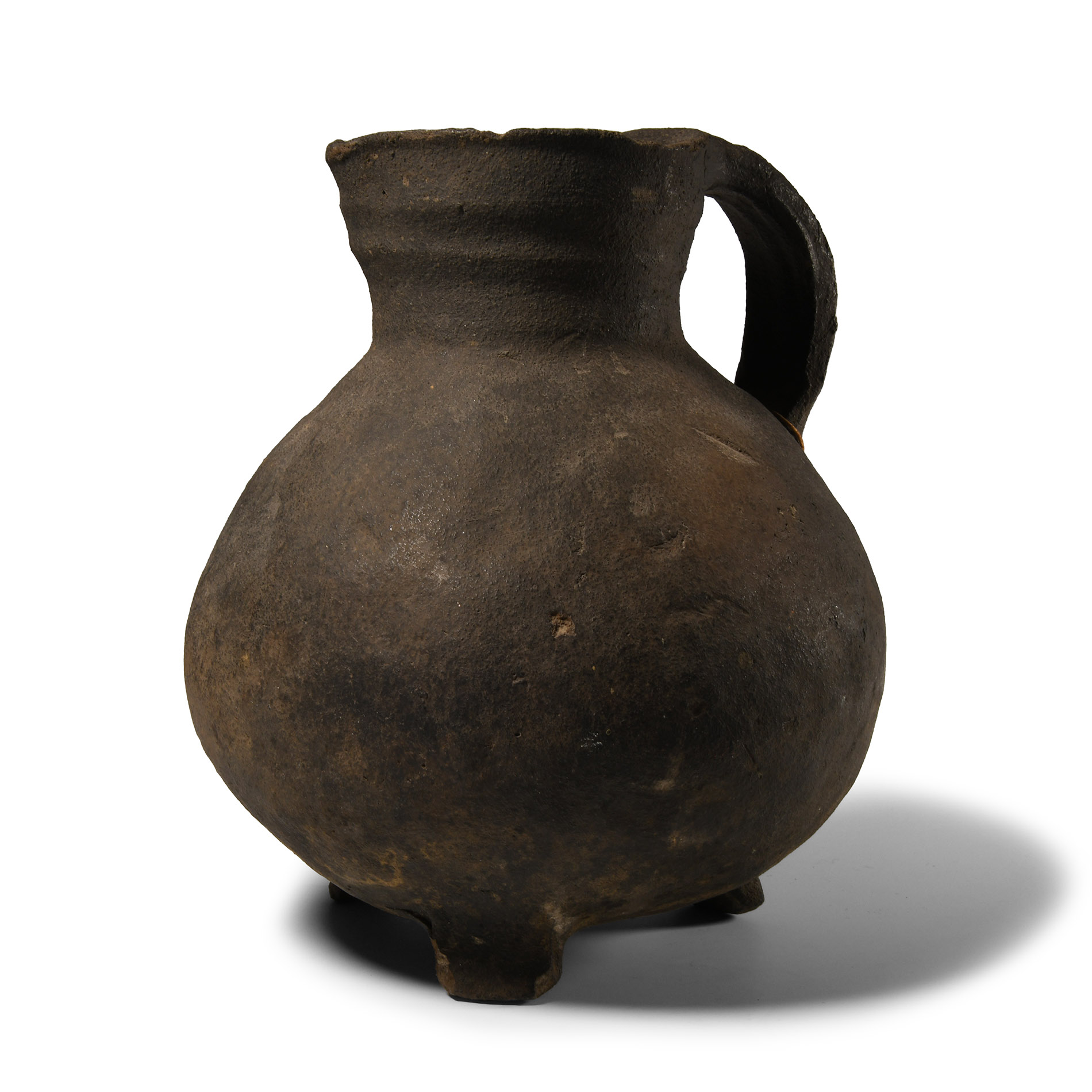
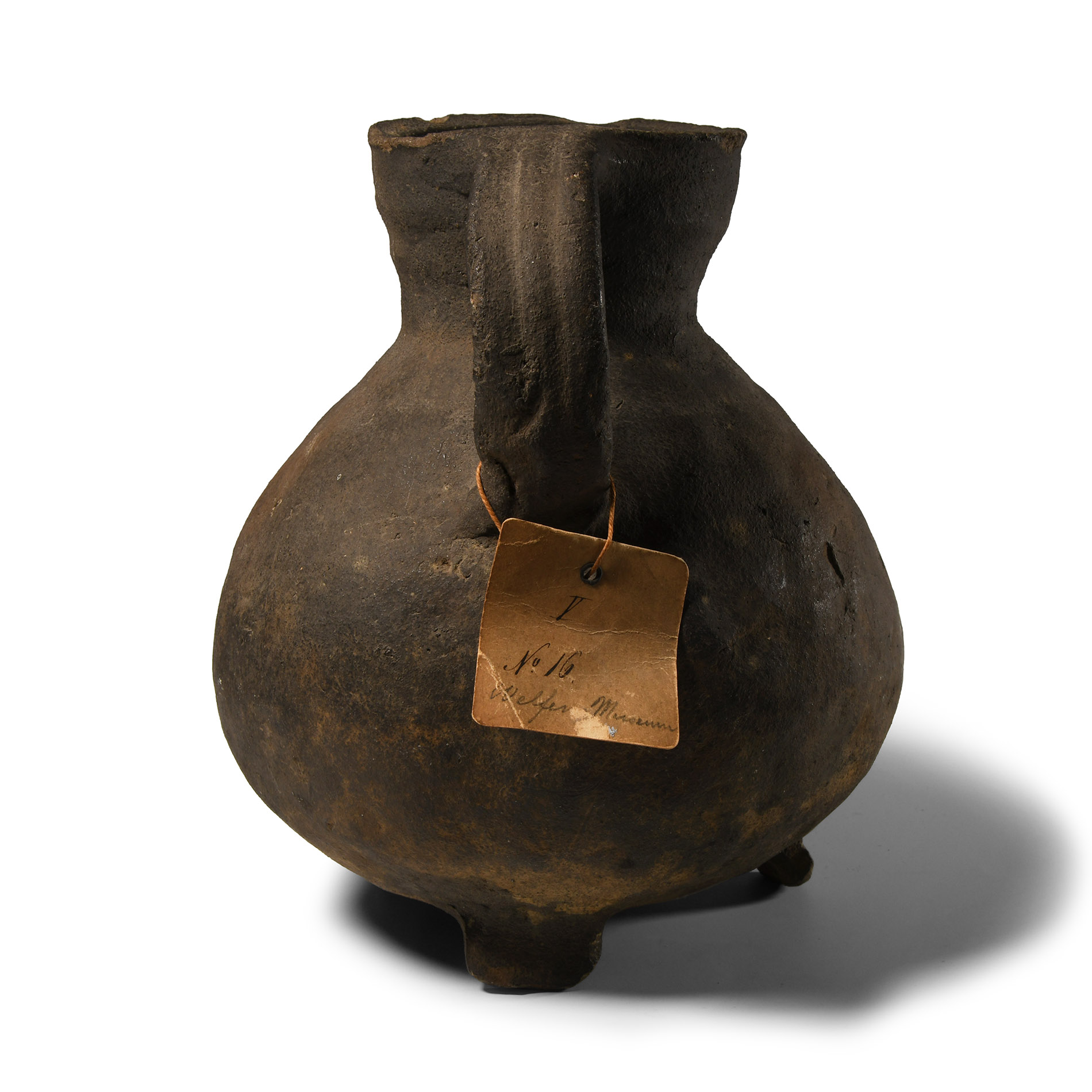
Medieval Globular Tripod Jug
GERMANY, LOWER SAXONY (?), 14TH CENTURY A.D.
8 1/2 in. (1.05 kg, 21.5 cm high).
Wheel-thrown vessel with oblate profile, three small flange feet, rounded mouth with inturned rim and short pinched spout, ribbed strap handle to the rear' inked accession number to the underside: 'W.M. V.16.'; old card catalogue label with remains of wax seal and handwritten 'V / No.16' and pencilled 'Welfen Museum'. [No Reserve]
ProvenanceWelfen Museum, circa 1860; thence by descent at Marienburg Castle, Hanover, Lower Saxony, Germany.
with Sotheby's, Royal House of Hanover Sale, 10 October 2005, no.1254.
Accompanied by an old card catalogue label with remains of wax seal and handwritten 'V / No.16' and pencilled 'Welfen Museum'.
Accompanied by a copy of a previous cataloguing page.
Evidence of soot accretion to the underside, implying use on or beside a hearth.
CONDITIONTimeLine Auctions follows a vetting process to ensure the authenticity and legality of all items, reinforcing our commitment to integrity and responsible trading. Each antiquity, antique, and coin lot undergoes thorough examination by a vetting committee of at least ten external specialists, professional trade association members, scientists, and archaeologists: Our Vetting Process
AUCTIONS:
TimeLine is a leading auction house specialising in antiquities, ancient art, collectables, natural history, coins, medals, and books. Our auctions offer museums, collectors, historians, and enthusiasts the opportunity to acquire unique and historically significant pieces.
-
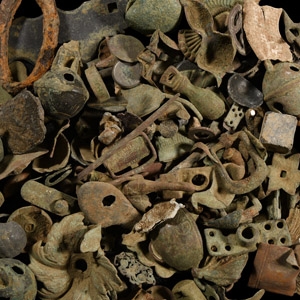
Medieval to Post Medieval Artefact Group
14th-20th century A.D.Sold for (Inc. bp): £33
Mixed group including furniture fittings, spur rowels, buckle frames, appliqués and other items. 1 kg total, 9-85 mm
Found Hertfordshire, UK. -
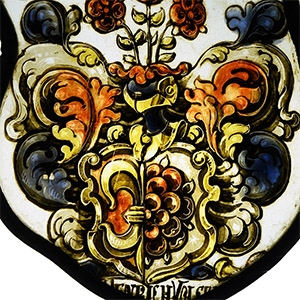
Medieval Stained Glass Armorial with Flowers
Circa 1600 A.D.Sold for (Inc. bp): £312
Panel in frame of lead cames with painted heraldic design in elaborate style, the shield divided per pale with gules a fleur-de-lys or and argent a rosette gules; scroll below with partial text '[H]enrich Volse[...]'. 126 grams, 15.5 cm
with De Baecque Encheres, 5 March 2022, no.49. -
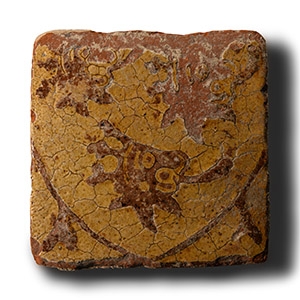
Medieval English 'Three Lions' Floor Tile
England, 15th century A.D.Sold for (Inc. bp): £65
Square glazed floor tile with yellow motif of lions passant on a heater shield. 932 grams, 13.5 x 13.7 cm
Benjamin Proust, 2015. Ex central London gallery.
