
Loading, please wait...
LOT 1603
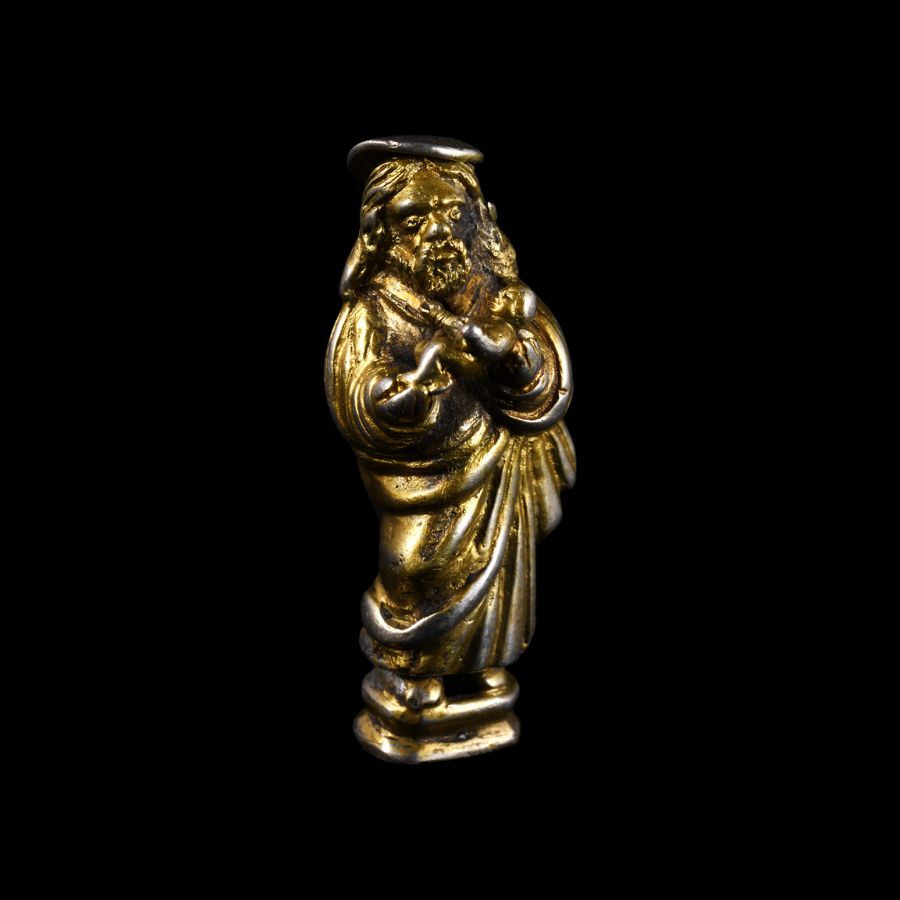
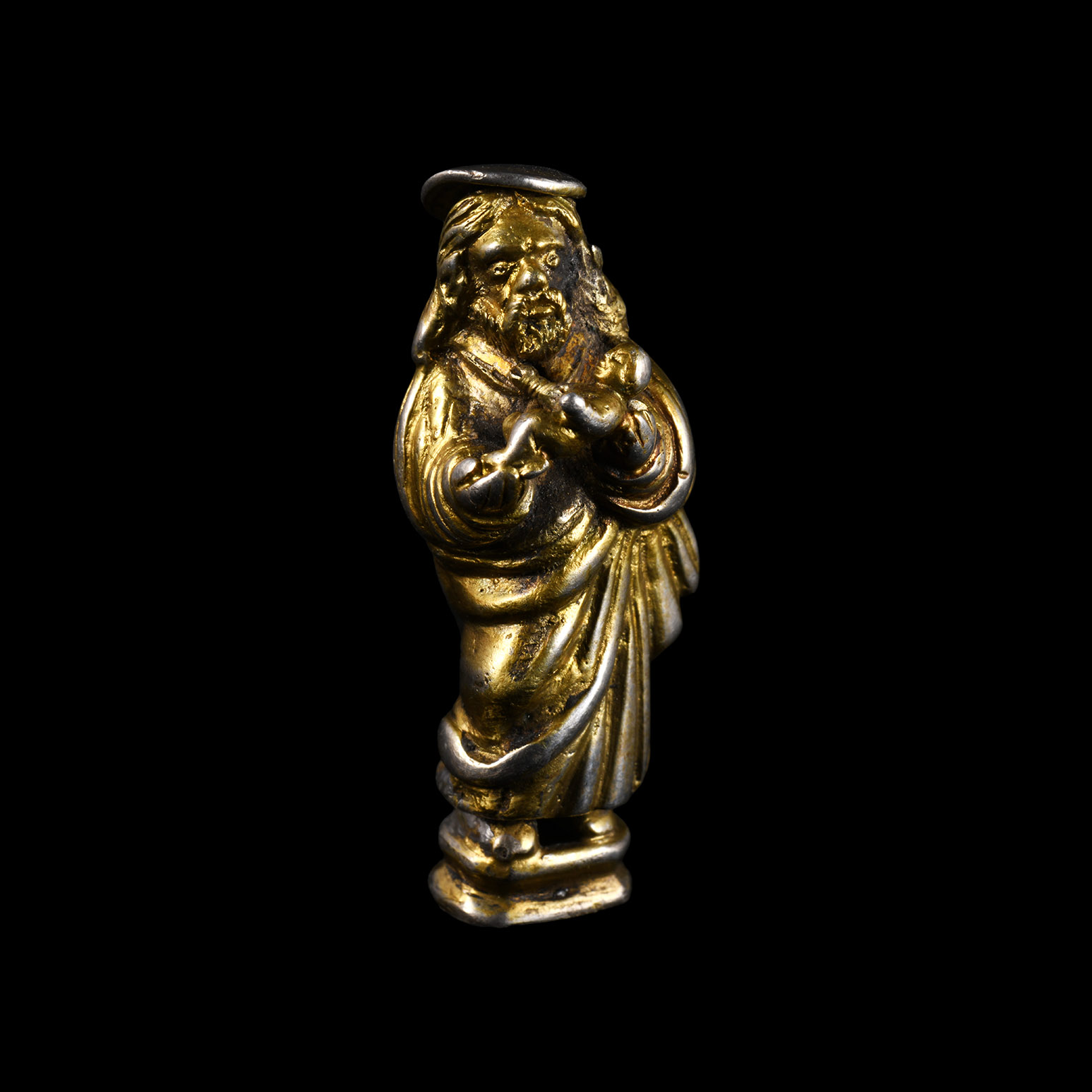
Medieval Gilt Silver Saint Simeon
GERMANY, UPPER RHINE, CIRCA 1500 A.D.
1 5/8 in. (14 grams, 4 cm).
Holding the Infant Christ, modelled in the round with semi-naturalistic features, standing bare-footed on a plinth and wearing floor length robes. [No Reserve]
ProvenanceAustrian private collection since circa 1995.
with ImKinsky Auctions 24 June 2020, lot 538 (part).
Ex central London gallery.
TimeLine Auctions follows a vetting process to ensure the authenticity and legality of all items, reinforcing our commitment to integrity and responsible trading. Each antiquity, antique, and coin lot undergoes thorough examination by a vetting committee of at least ten external specialists, professional trade association members, scientists, and archaeologists: Our Vetting Process
AUCTIONS:
TimeLine is a leading auction house specialising in antiquities, ancient art, collectables, natural history, coins, medals, and books. Our auctions offer museums, collectors, historians, and enthusiasts the opportunity to acquire unique and historically significant pieces.
-
.jpg)
Medieval Lead 'RICARD SNICHT' Seal Matrix
Circa 14th century A.D.Sold for (Inc. bp): £46
Discoid in plan with eight-armed star at centre and surrounding '+ S' RICARD : SNICHT:' incuse and reversed inscription for 'seal of Richard Snicht' with retrograde 'N'; accompanied by an impression. 12 grams, 2.8 cm
Found Essex, UK. -
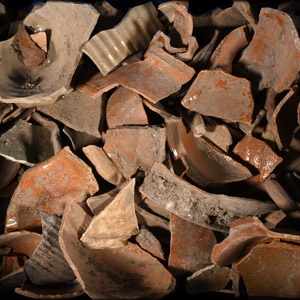
Medieval and Later Dutch Pottery Pit Dug Fragment Group
Circa 15th-17th century A.D.Sold for (Inc. bp): £1
Most glazed and from various vessel types, including examples with decoration. 19.5 kg total, 1.5-17.5 cm
Acquired 1990s-early 2000s. East Anglian private collection. -
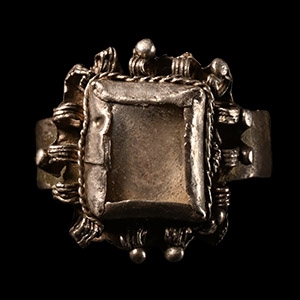
Medieval Silver Ring with Crystal Inlay
Circa 15th-16th century A.D.Sold for (Inc. bp): £143
Broad flat-section hoop, rectangular bezel set with a rock crystal cabochon, twisted filigree border, hoops with granules to the edge. 5.59 grams, 26.60 mm overall, 20.75 mm internal diameter (approximate size British T, USA 9 1/2, Europe 21.26, Japan 20)
Acquired 1990s-early 2000s. East Anglian private collection.
