
Loading, please wait...
LOT 1804
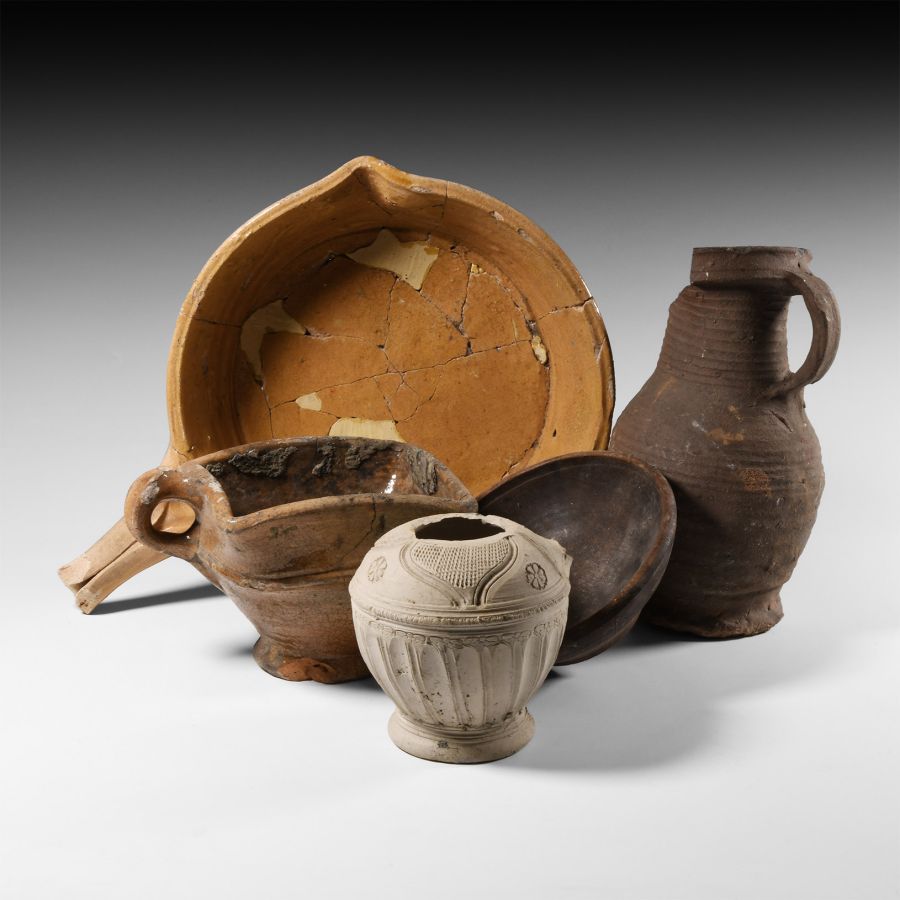
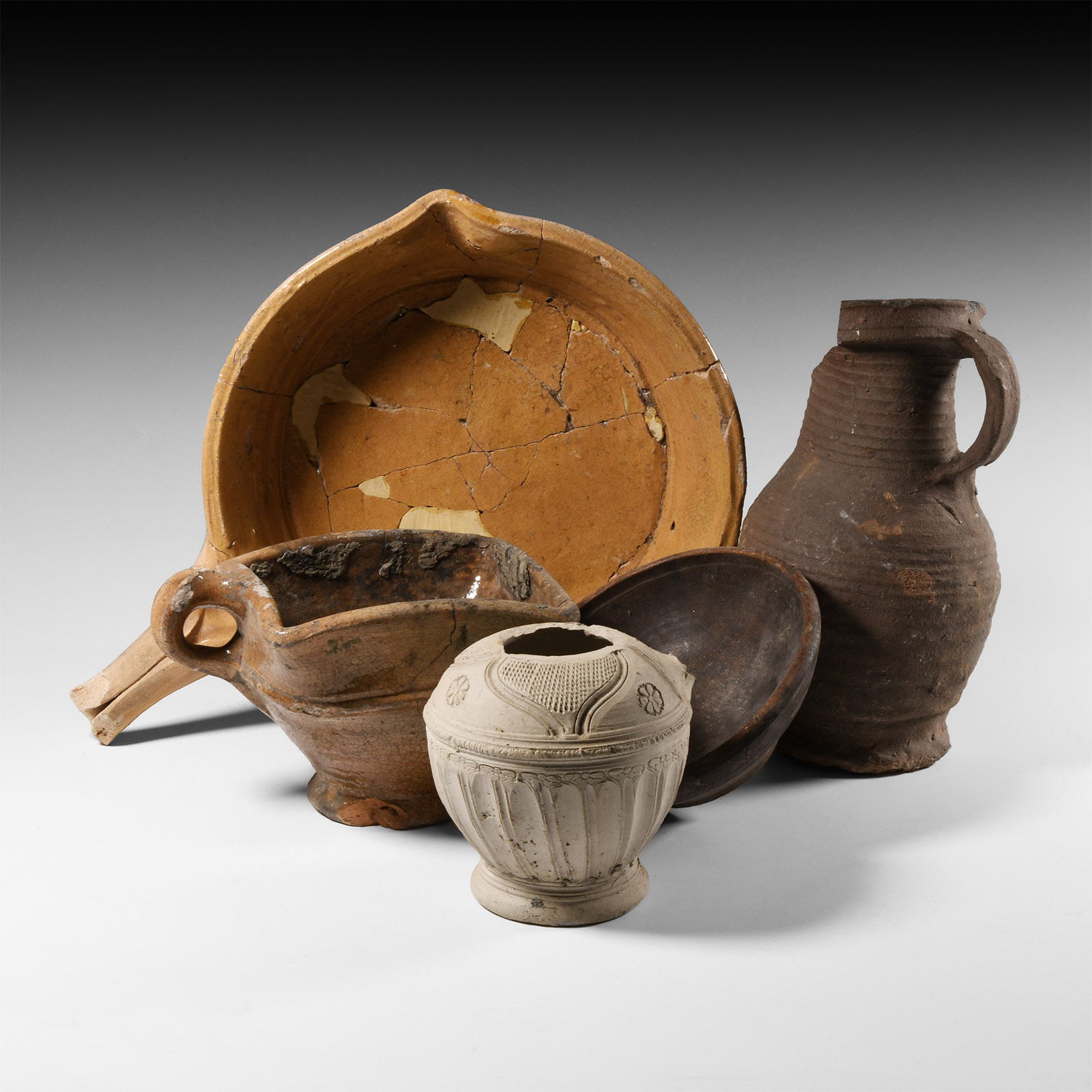
Medieval Ceramic Group
15TH CENTURY A.D. AND LATER
4 1/4 - 13 3/8 in. (3.35 kg total, 11-35 cm).
Comprising glazed and unglazed handled pots, jars and skillet, one with floral motifs; together with a wooden bowl. [5, No Reserve]
ProvenanceAcquired 1990s-early 2000s.
East Anglian private collection.
TimeLine Auctions follows a vetting process to ensure the authenticity and legality of all items, reinforcing our commitment to integrity and responsible trading. Each antiquity, antique, and coin lot undergoes thorough examination by a vetting committee of at least ten external specialists, professional trade association members, scientists, and archaeologists: Our Vetting Process
AUCTIONS:
TimeLine is a leading auction house specialising in antiquities, ancient art, collectables, natural history, coins, medals, and books. Our auctions offer museums, collectors, historians, and enthusiasts the opportunity to acquire unique and historically significant pieces.
-
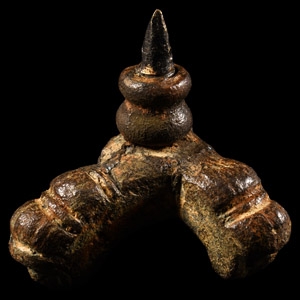
Anglo-Norman Gilt Bronze Travelling Pricket Candle Stick with Beast Heads
11th-12th century A.D.Sold for (Inc. bp): £111
Of tripod form, each leg formed as a stylised beast head, balustered central shaft and central conical spike. 17.6 grams, 30 mm
Found Harrogate, UK. -
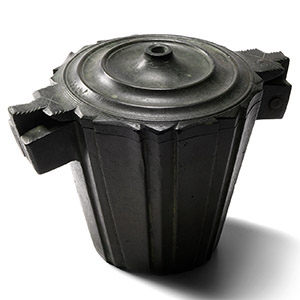
Large Medieval Bronze Trade Weight Container
14th-16th century A.D.Estimate: £1,000 - 1,400 (+bp*)
Opening Bid: £400
Comprising hinged lid incised with X-motifs and numerals IIIX (7) to lid top. 4.1 kg, 18.5 cm wide
Acquired 1990s-early 2000s. East Anglian private collection. -
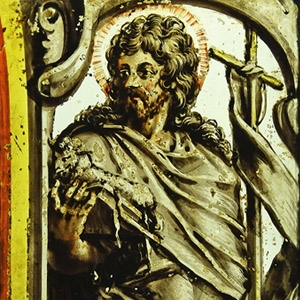
Medieval Stained Glass Panel with Christ Triumphant
France, circa 1500 A.D.Sold for (Inc. bp): £221
Standing holding a cross in one hand and a lamb in the other; with polychrome detailing and lead came borders, two modern loops for suspension to top corners. 144 grams, 21.1 cm
Private collection, Paris.
