
Loading, please wait...
LOT 1787
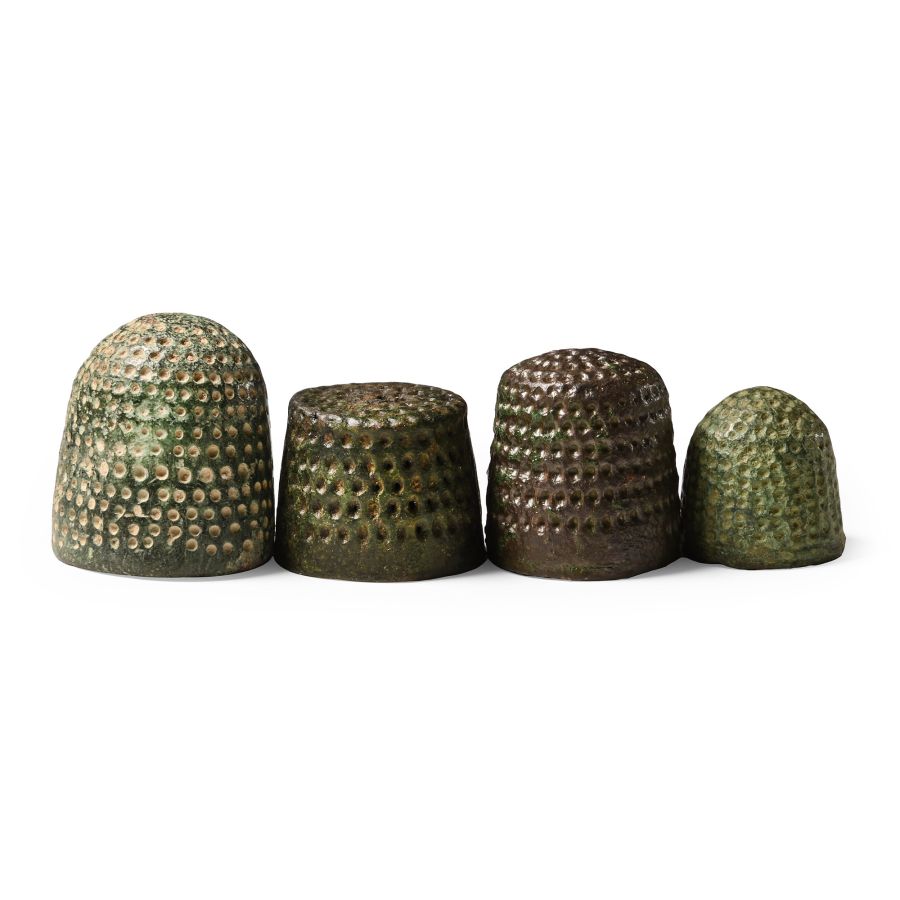
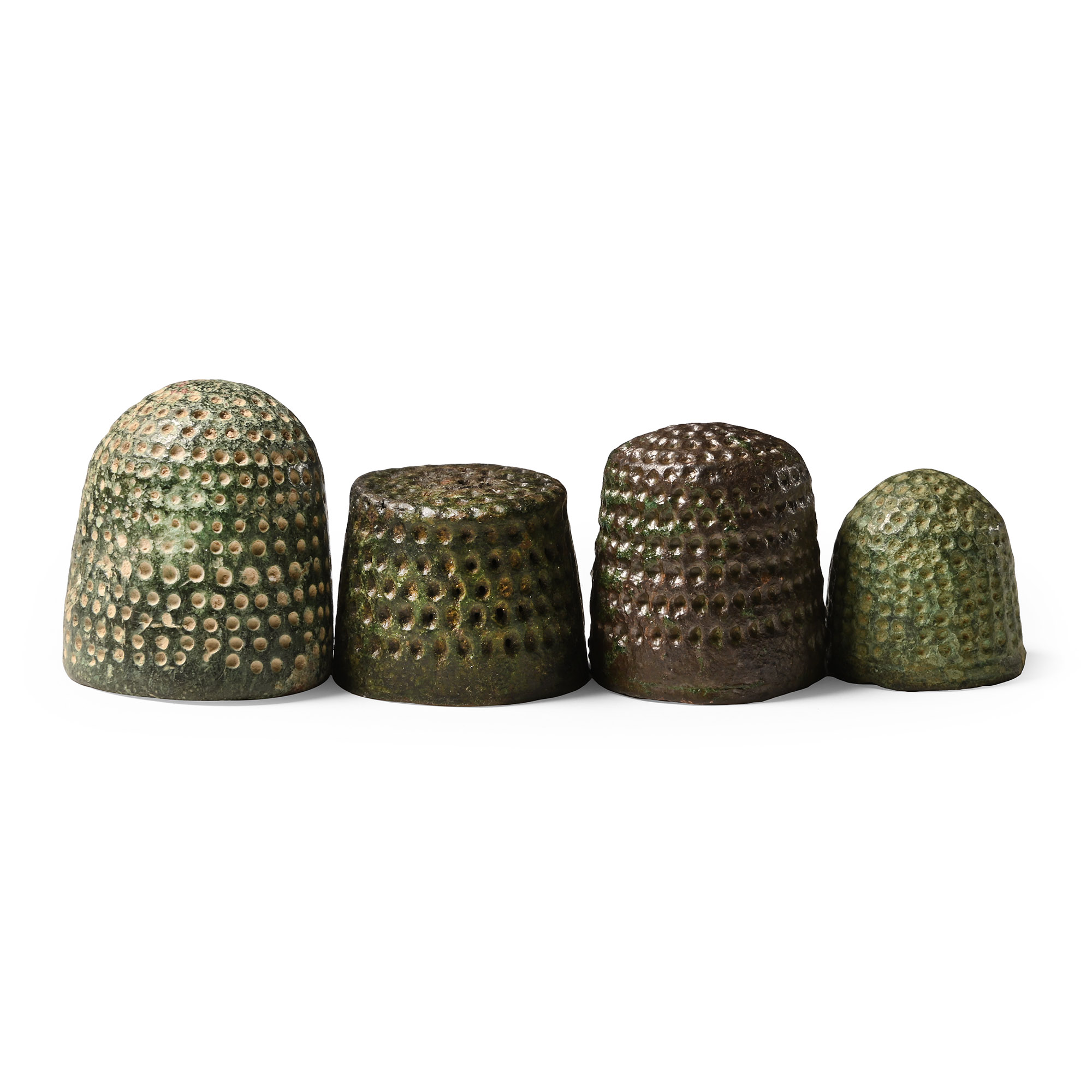
Medieval Bronze Thimble Collection
CIRCA 14TH-16TH CENTURY A.D.
5/8 - 7/8 in. (28.87 grams total, 16-22 mm).
Including flat-topped, beehive and other types. [4, No Reserve]
ProvenanceAcquired on the UK art market before 2000.
Property of an Essex, UK, gentleman.
This lot is accompanied by an illustrated lot declaration signed by the Head of the Antiquities Department, Dr Raffaele D'Amato.
TimeLine Auctions follows a vetting process to ensure the authenticity and legality of all items, reinforcing our commitment to integrity and responsible trading. Each antiquity, antique, and coin lot undergoes thorough examination by a vetting committee of at least ten external specialists, professional trade association members, scientists, and archaeologists: Our Vetting Process
AUCTIONS:
TimeLine is a leading auction house specialising in antiquities, ancient art, collectables, natural history, coins, medals, and books. Our auctions offer museums, collectors, historians, and enthusiasts the opportunity to acquire unique and historically significant pieces.
-
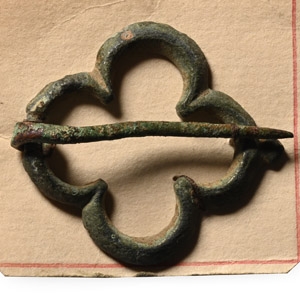
Medieval Bronze Quatrefoil Annular Brooch
14th-15th century A.D.Sold for (Inc. bp): £286
Openwork with thick borders and round-section pin; mounted on old cardboard backing. 8.4 grams, 42 mm
From an old UK, collection, 1960s. This lot is accompanied by an illustrated lot declaration signed by the Head of the Antiquities Department, Dr Raffaele D'Amato. -
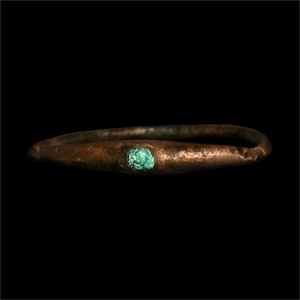
Medieval Bronze Stirrup Ring with Turquoise Gemstone
13th century A.D.Sold for (Inc. bp): £124
With a slender hoop and raised bezel set with a turquoise cabochon. 1.25 grams, 23.97 mm overall, 18.67 mm internal diameter (approximate size British O 1/2, USA 7 1/4, Europe 15.61, Japan 15)
Acquired on the UK art market circa 2005. From an old North Country, UK, collection. This lot is accompanied by an illustrated lot declaration signed by the Head of the Antiquities Department, Dr Raffaele D'Amato. -
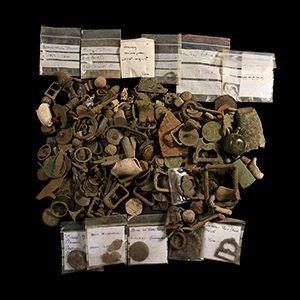
Medieval and Other Artefact Group
12th-20th century A.D.Sold for (Inc. bp): £39
Including buckle loops and fittings, harness fittings, pastry cutters, buttons, appliqués, mounts and other items. 2.53 kg total, 11-66 mm
Found Yorkshire, UK. From the private collection of Robin Sykes, Yorkshire, UK, formed since the late 1990s. This lot is accompanied by an illustrated lot declaration signed by the Head of the Antiquities Department, Dr Raffaele D'Amato.
N.B. This lot is for UK purchase only.
