
Loading, please wait...
LOT 0307
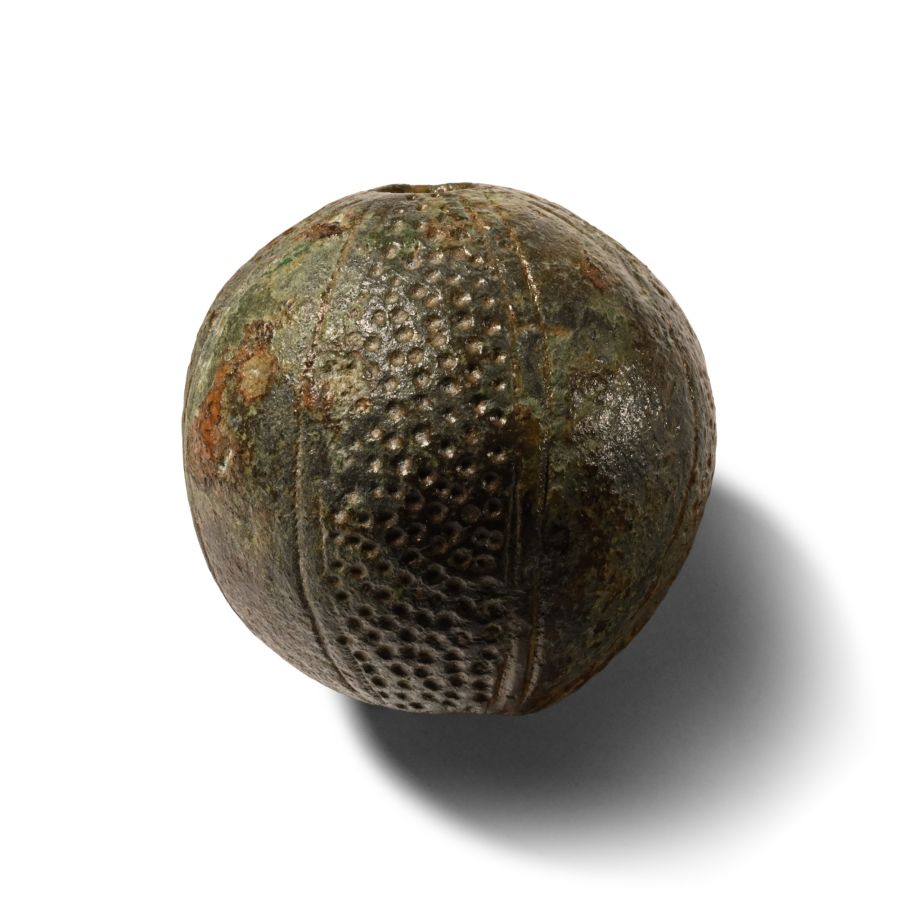
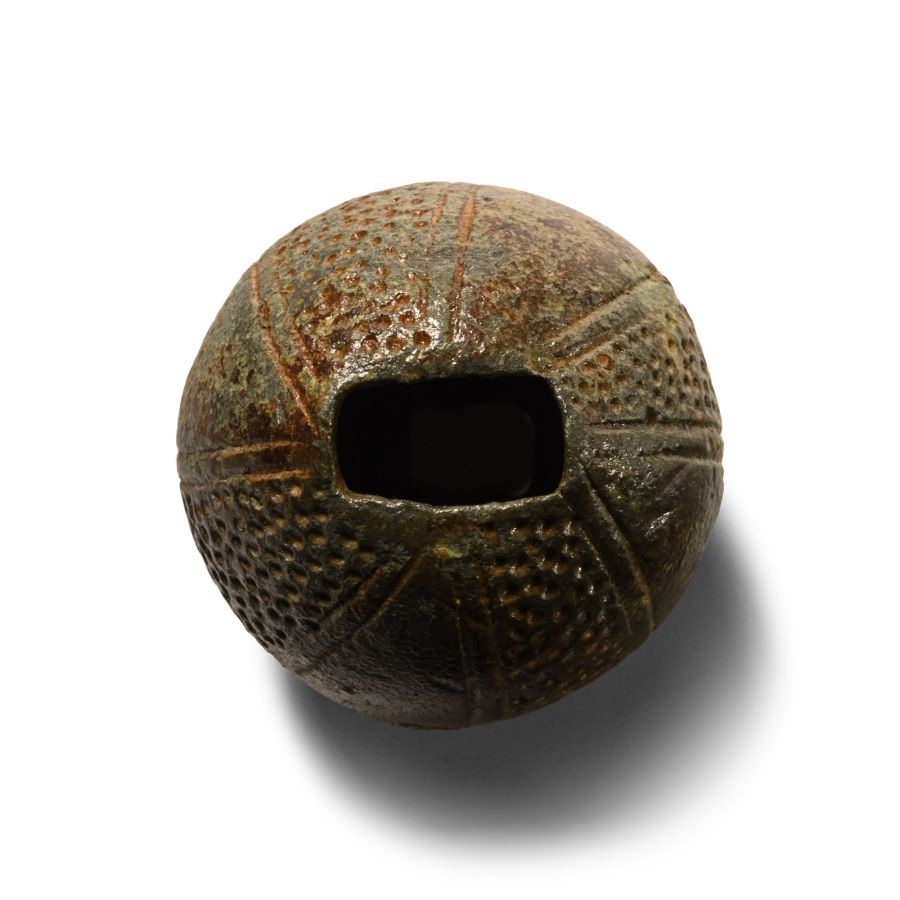
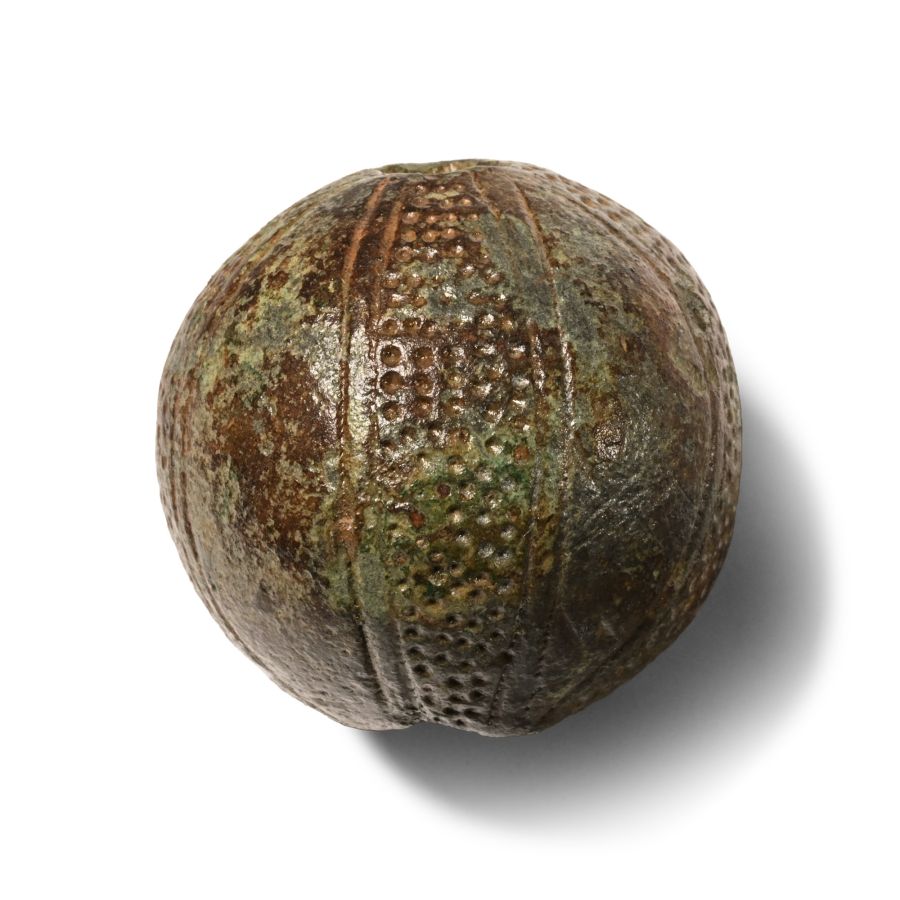
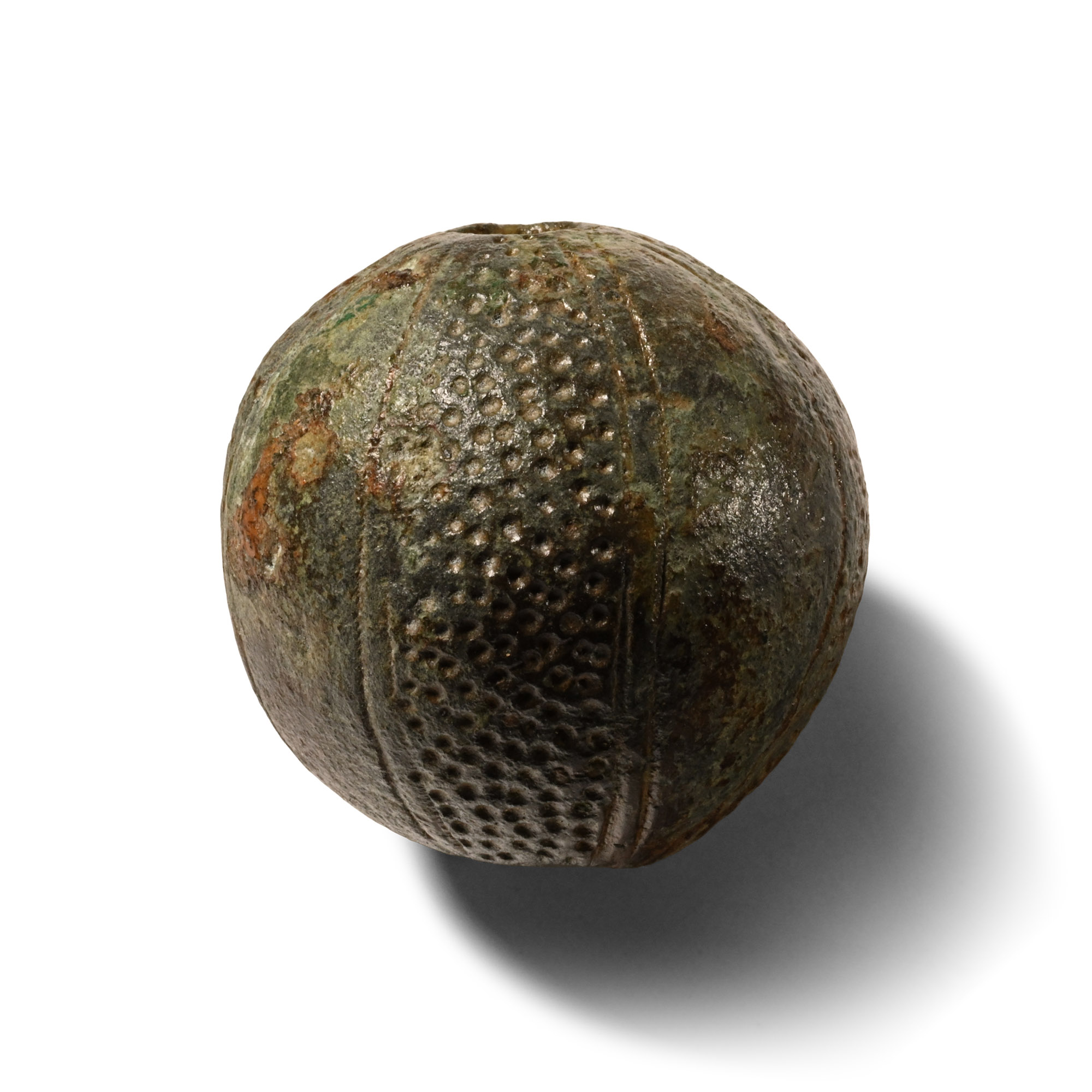
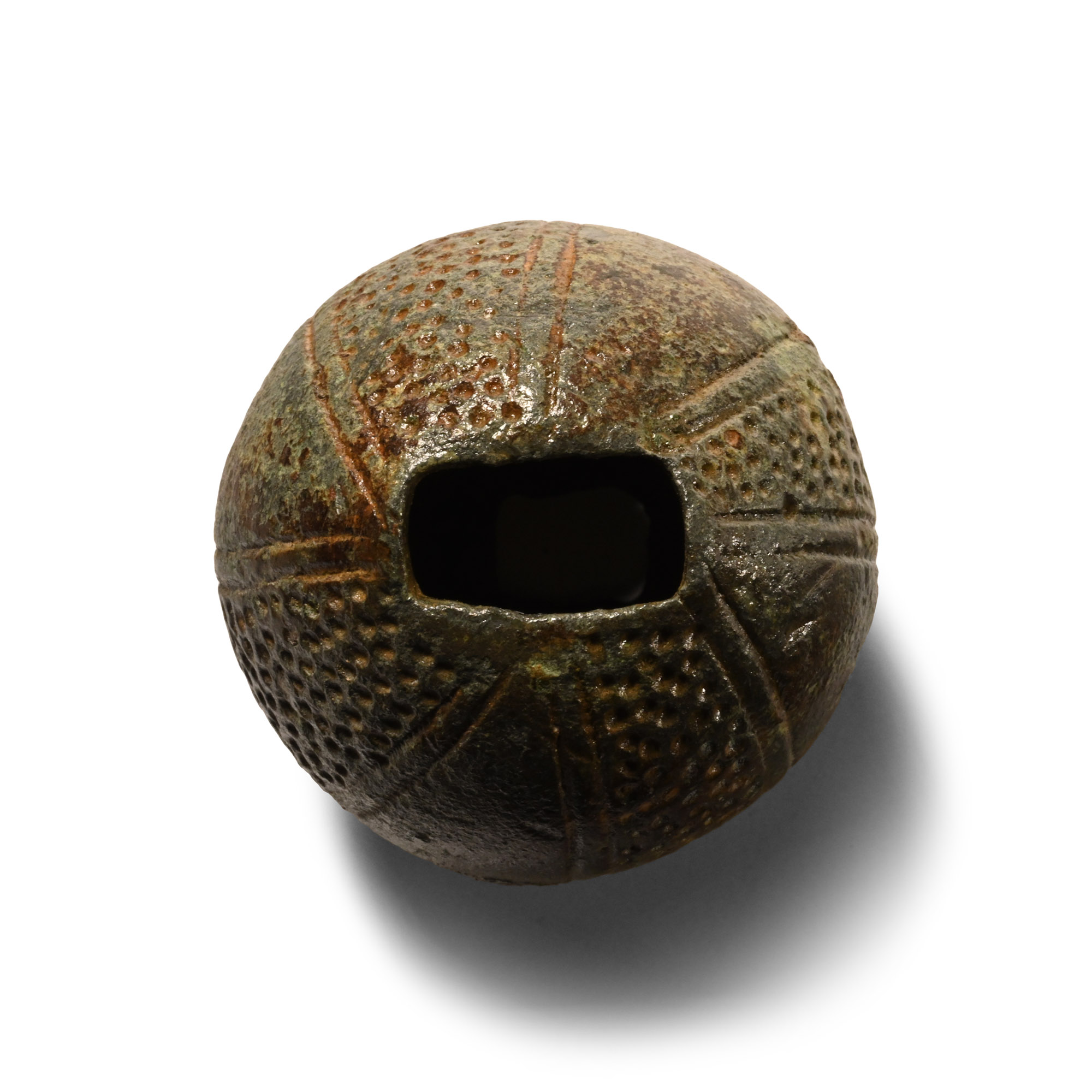
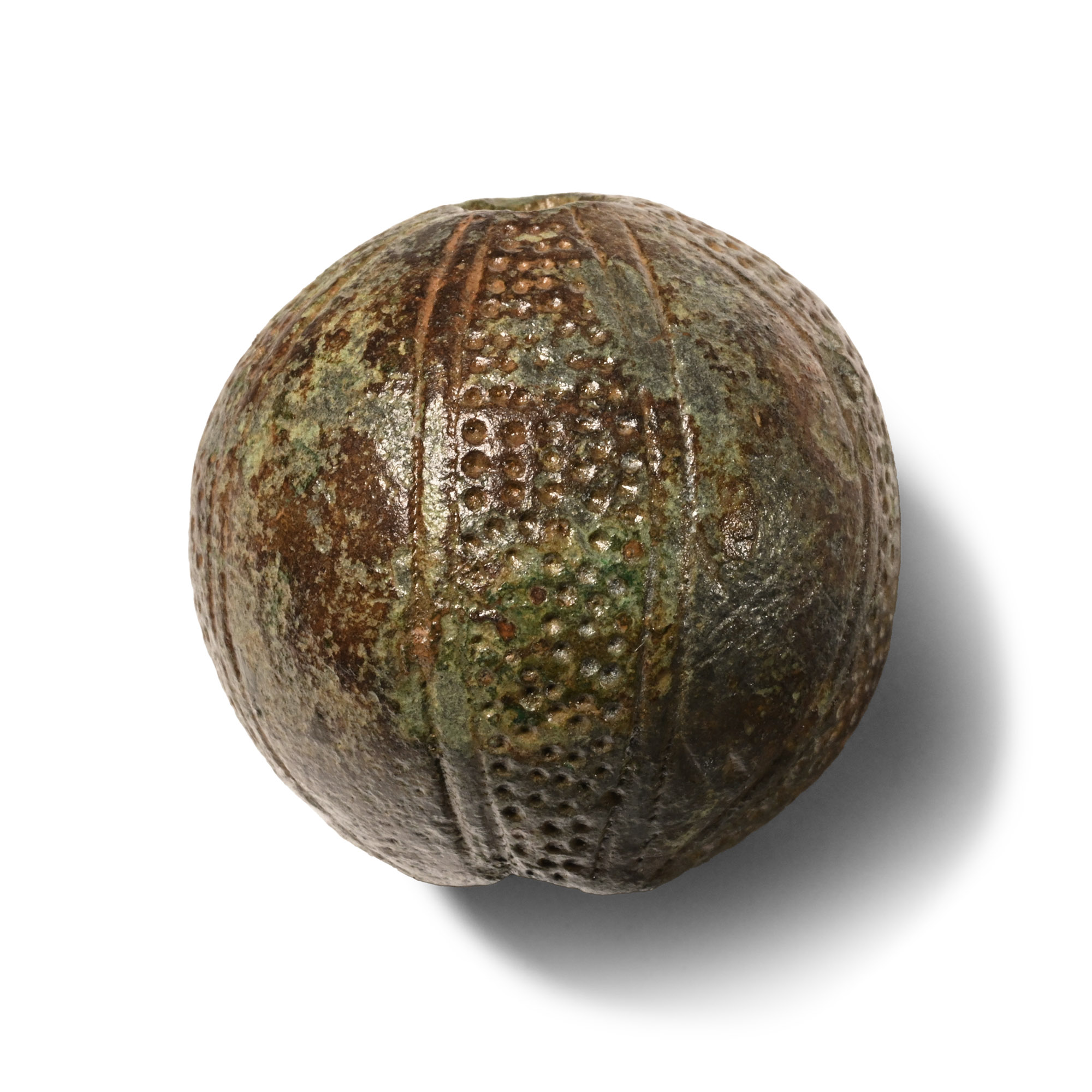
Medieval Bronze Sword Pommel
CIRCA 14TH CENTURY A.D.
1 5/8 in. (119 grams, 39 mm).
Hollow-formed spherical pommel with rectangular slot to the underside to accept the tang, and smaller slot above to accommodate the piebed end; segmented outer face with alternating plain and pointillé surfaces. [No Reserve]
ProvenanceFound Suffolk, UK.
CONDITIONTimeLine Auctions follows a vetting process to ensure the authenticity and legality of all items, reinforcing our commitment to integrity and responsible trading. Each antiquity, antique, and coin lot undergoes thorough examination by a vetting committee of at least ten external specialists, professional trade association members, scientists, and archaeologists: Our Vetting Process
AUCTIONS:
TimeLine is a leading auction house specialising in antiquities, ancient art, collectables, natural history, coins, medals, and books. Our auctions offer museums, collectors, historians, and enthusiasts the opportunity to acquire unique and historically significant pieces.
-
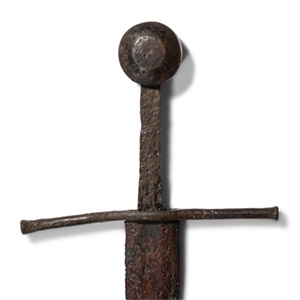
Medieval Iron Single-Handed Sword
Late 11th-13th century A.D.Sold for (Inc. bp): £1,950
Double-edged tapering blade with rounded point, shallow fuller and a parallel-sided lower guard (cross style 2), the grip gently tapering, discoid pommel of type I with chamfered sides. 1.2 kg, 1.01 m
From the private collection of a London gentleman, from his grandfather's collection formed before the early 1970s. Accompanied by an academic report by Dr Raffaele D'Amato. This lot has been checked against the Interpol Database of stolen works of art and is accompanied by search certificate number no.12177-221435.
The sword belongs to the type of ‘war swords’, although it is challenging to establish if it belongs to the type XI or type XII of Oakeshott's classification. It corresponds well with an English sword of type XI kept in the Tower Armoury (Dufty, 1974, plate 2, letter a), found in a peat bog near Newbury; but it also presents many characteristics of swords of type XII: it presents similarity to two swords excavated by Dr Jorma Leppaaho in 1950, from late Viking graves, one having a cross guard identical to our specimen and the other an identical pommel (Oakeshott, 1991, p.69, lett. V and VI); and another similar specimen is (a water find from Denmark) preserved in the Nationalmuseet of Copenhagen. In general the taper of the blade points more to the nature of the XII typology. -
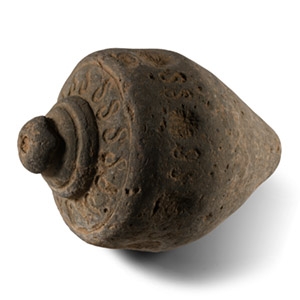
Byzantine 'Greek Fire' Ceramic Fire Bomb or Hand Grenade
9th-11th century A.D.Sold for (Inc. bp): £117
Piriform-conical body with S-shaped ornaments to the shoulder, interstitial panels of impressed alternate foliage and S-shaped horizontal ornaments, domed filler-hole, intended to be filled with explosive liquid and wick, used as a hand grenade. 650 grams, 12.5 cm
From a military inspired collection formed from the 1990s. Accompanied by an academic paper by military specialist Dr Raffaele D'Amato, dated 15 July 2019 and titled 'Eastern Roman Empire - Greek Fire Bomb or Hand Grenade (μεσαίον kακάβιον) 9th-11th century AD'.
This piece was a type of a ceramic fire grenade, similar to the ones used by the Eastern Romans but of Turco-Mongol type. Apart from the use of manual flame-throwers, special corps of soldiers employed terracotta grenades, in the form of small jars, abundantly evidenced in archaeological excavations, even in Far East, like in Burma. -
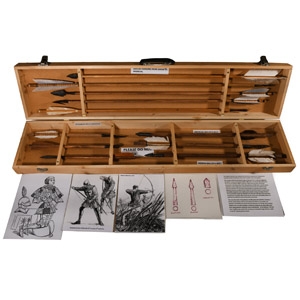
Cased Roman to Medieval Arrow Teaching Aid Collection
1st century A.D.-15th century A.D.Sold for (Inc. bp): £260
Comprising: a Roman ballista bolt with a pyramidal head; a 15th century iron swallowtail arrowhead; three iron medieval crossbow bolts, with pyramidal point, square-section shaft, tubular socket; two medieval ballista bolts with pyramidal point, square-section shaft, tubular socket; two triangular-shaped arrowheads, with pyramidal head; a triangular Eastern Roman bladed arrowhead with a slightly raised mid-rib; a small Anglo-Saxon arrowhead with lozenge form blade and round socket; all mounted on reconstructed modern shafts with their feathered directional lugs, and presented in a wooden display box. 3.83 kg total, 104 x 22 x 9.5 cm including case
From the collection of the famous author, writer and speaker, Gordon Bailey, Essex, UK; formed since 1968.
Crossbow and bows were the protagonist of the 100 Years War between France and England. The crossbow, a bow fixed at its centre to a wooden stock, was a formidable weapon used by the Genoese crossbowmen, mainly in French service; its heavy bolt could easily penetrate a shield or armour breast plate at close range. The longbow, mainly used by the Welsh archers, was able to pierce armours at greater distance. During the reign of Edward III, the long bow distance was estimated to be 400 yards. The capability of the English and Welsh archers enabled the English to secure a victory over the powerful French Cavalry at the battles of Crecy, Poitiers and Agincourt.
