
Loading, please wait...
LOT 1859
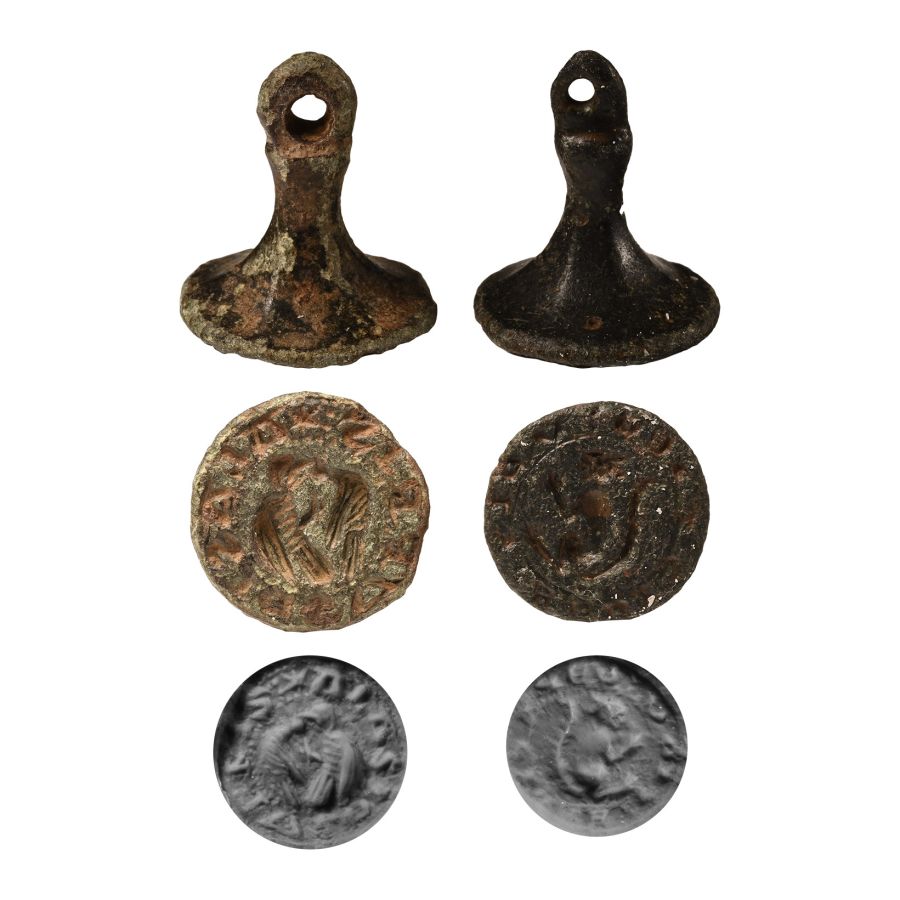
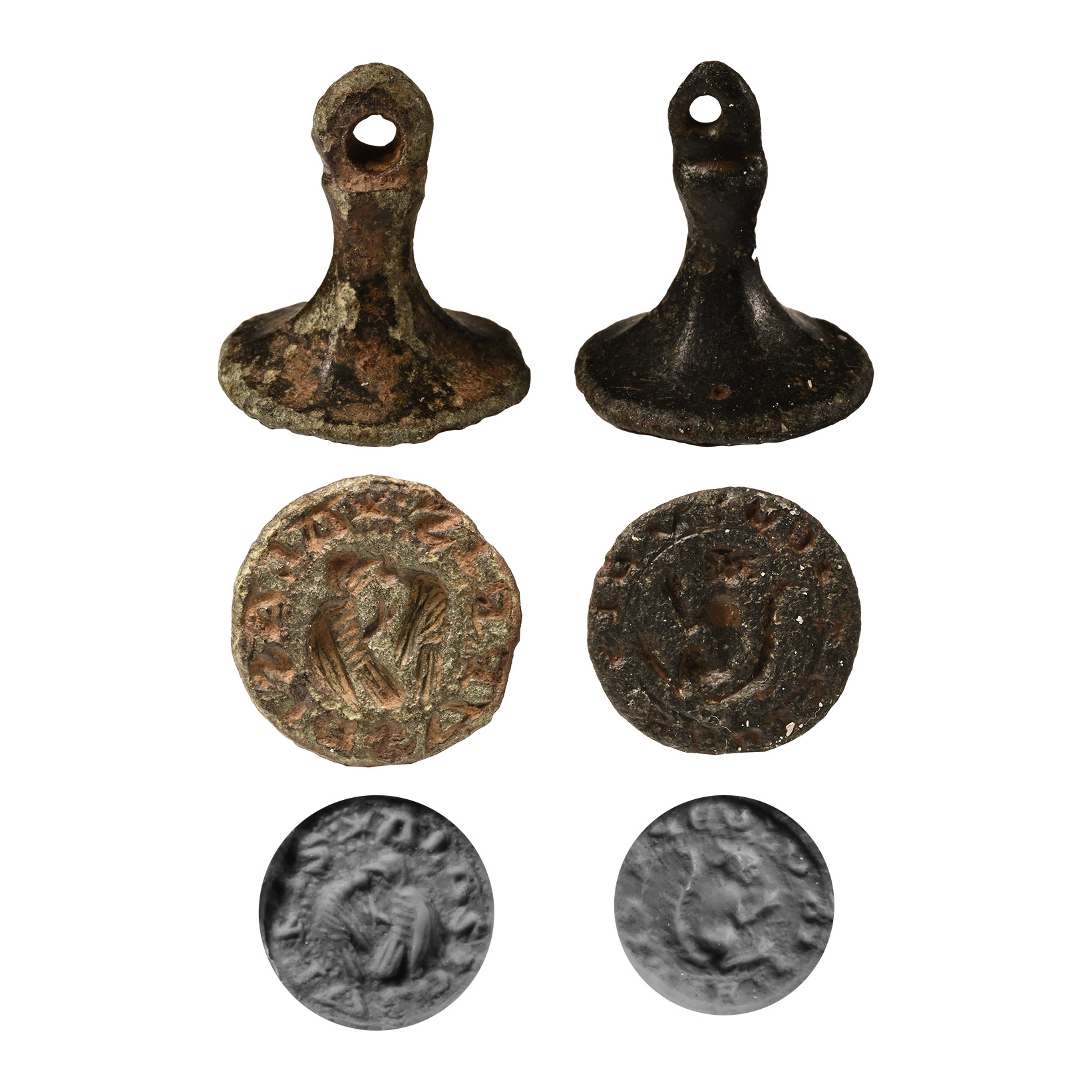
Medieval Bronze Seal Matrix Pair
14TH CENTURY A.D.
3/4 in. (15.4 grams total, 21 mm each).
One with incuse squirrel motif; the other with a bird of prey seizing a smaller bird, accompanied by the legend 'ALAS IE SV PRIS' for 'Alas, I am caught'. [2, No Reserve]
ProvenanceFrom the collection of the famous author, writer and speaker, Gordon Bailey, Essex, UK; formed since 1968.
CONDITIONTimeLine Auctions follows a vetting process to ensure the authenticity and legality of all items, reinforcing our commitment to integrity and responsible trading. Each antiquity, antique, and coin lot undergoes thorough examination by a vetting committee of at least ten external specialists, professional trade association members, scientists, and archaeologists: Our Vetting Process
AUCTIONS:
TimeLine is a leading auction house specialising in antiquities, ancient art, collectables, natural history, coins, medals, and books. Our auctions offer museums, collectors, historians, and enthusiasts the opportunity to acquire unique and historically significant pieces.
-
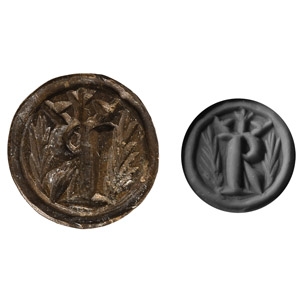
Medieval 'Published' Bronze Seal Matrix with Crowned R
14th century A.D.Sold for (Inc. bp): £46
Chessman-type with pierced finial; die with capital 'R' beneath a crown surrounded by a wreath. 8.8 grams, 26 mm
From the collection of the famous author, writer and speaker, Gordon Bailey, Essex, UK; formed since 1968. -
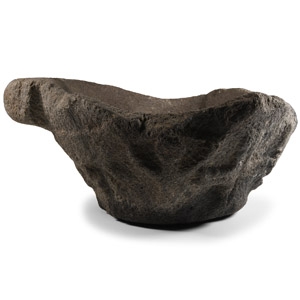
Medieval Stone Holy Water Font
Circa 14th-15th century A.D.Sold for (Inc. bp): £221
Squat in profile with foliage and scrolls to the sidewall, deep bowl and pouring lip. 6.25 kg, 28 cm wide
From a collection acquired on the UK art market from various auction houses and collections mostly before 2000. From an important Cambridgeshire estate; thence by descent. -
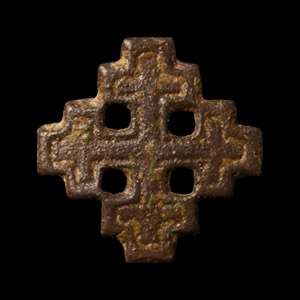
Medieval Bronze Knight's Holy Sepulchre Badge
13th-14th century A.D.Sold for (Inc. bp): £208
Formed as a cross-crosslet, the symbol of the Knights of the Holy Sepulchre, with punched-point border, short pin to verso. 0.56 grams, 16 mm
Found Suffolk, UK.
The 'Equestrian Order of the Holy Sepulchre of Jerusalem' was an order of knighthood under the protection of the Pope, formed around 1099 AD by Duke Godfrey of Bouillon, the leader of the First Crusade. It was established for the protection of pilgrims travelling to the Holy Land and was recognised by a Papal Bull in about 1113 AD.
