
Loading, please wait...
LOT 1828
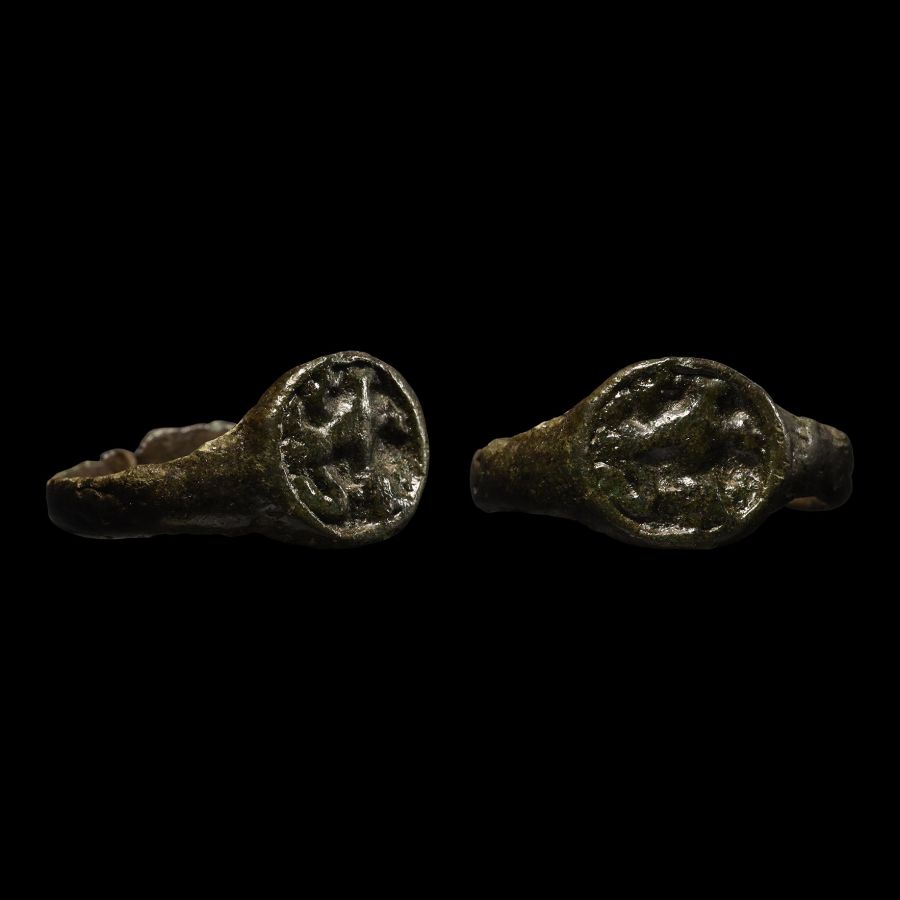
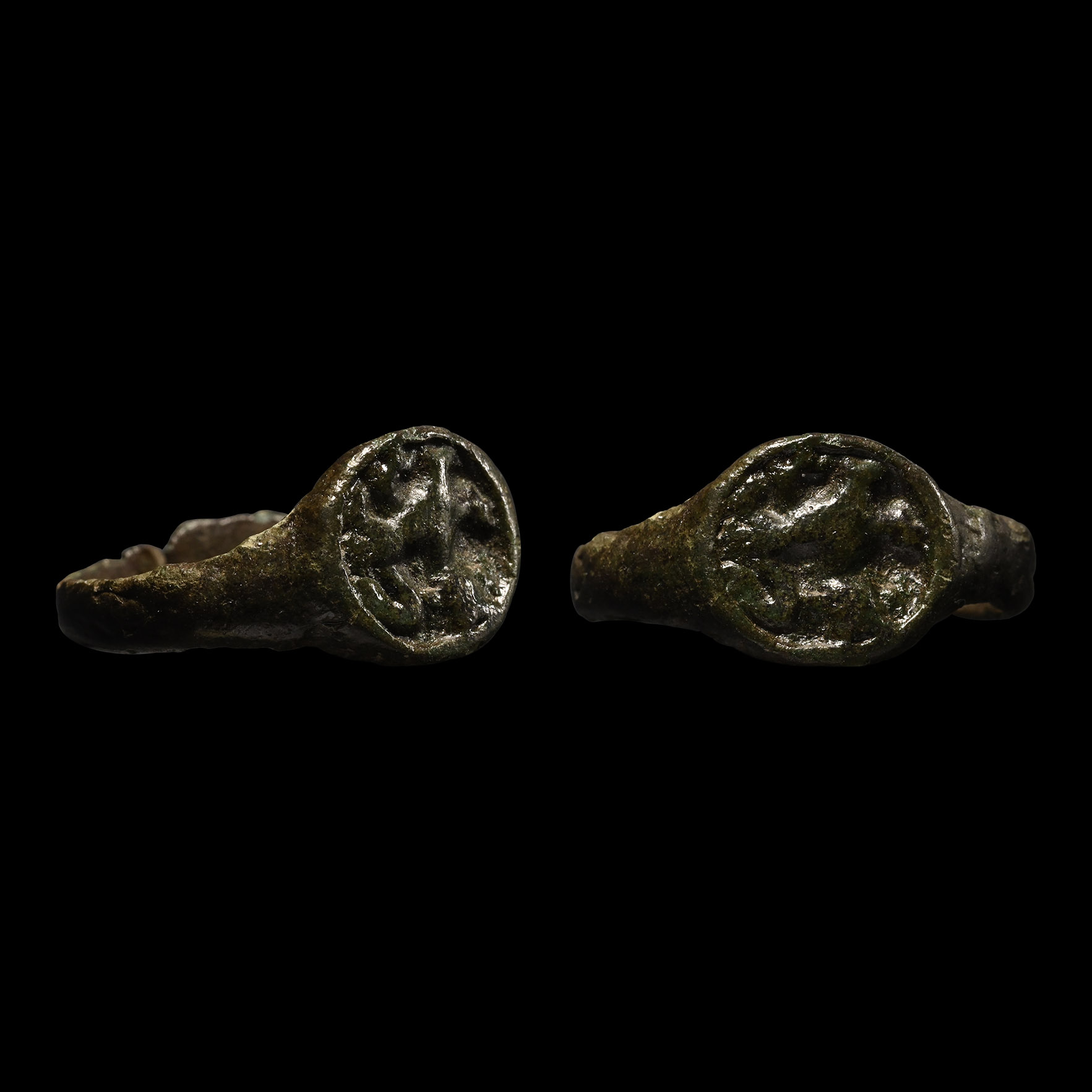
Medieval Bronze Ring with Prancing Human-Headed Lion
12TH-15TH CENTURY A.D.
7/8 in. (2.47 grams, 22.24 mm overall, 19.20 mm internal diameter (approximate size British Q 1/2, USA 8 1/4, Europe 18.12, Japan 17)).
D-section hoop expanding towards the discoid bezel with a human-headed lion passant; hoop split. [No Reserve]
ProvenancePrivate collection formed since the 1940s.
UK art market.
Property of an Essex, UK, gentleman.
TimeLine Auctions follows a vetting process to ensure the authenticity and legality of all items, reinforcing our commitment to integrity and responsible trading. Each antiquity, antique, and coin lot undergoes thorough examination by a vetting committee of at least ten external specialists, professional trade association members, scientists, and archaeologists: Our Vetting Process
AUCTIONS:
TimeLine is a leading auction house specialising in antiquities, ancient art, collectables, natural history, coins, medals, and books. Our auctions offer museums, collectors, historians, and enthusiasts the opportunity to acquire unique and historically significant pieces.
-
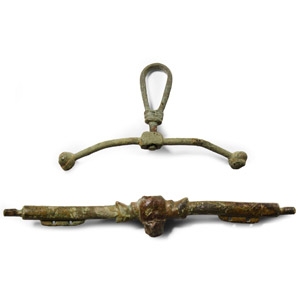
Medieval Bronze Purse Bar Group
15th-16th century A.D.Sold for (Inc. bp): £33
Including one with elongated suspension loop, one with central bulb and lateral pierced flanges. 102 grams total, 10.5-16 cm
From the collection of the famous author, writer and speaker, Gordon Bailey, Essex, UK; formed since 1968. -
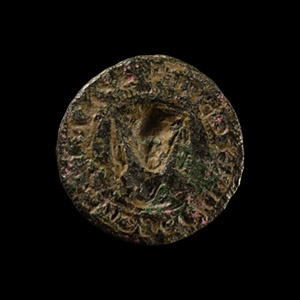
Medieval 'Published' Bronze Seal Matrix with Bust
14th century A.D.Sold for (Inc. bp): £111
Discoid seal with loop to the reverse, legend and central device of the vernicle. 4.07 grams, 21 mm
From the collection of the famous author, writer and speaker, Gordon Bailey, Essex, UK; formed since 1968. -
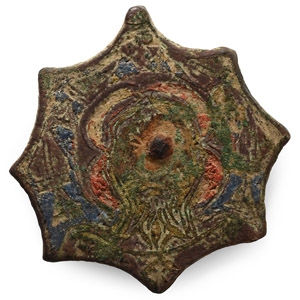
Medieval Bronze Limoges Reliquary Box Mount with Christ
12th-13th century A.D.Sold for (Inc. bp): £234
Octagonal in plan with scooped sides, enamelled design of a facing bearded bust with nimbus. 19 grams, 42 mm
Found Norfolk, UK. From an old private collection of Norfolk, UK, gentleman, formed since 1998.
