
Loading, please wait...
LOT 0354
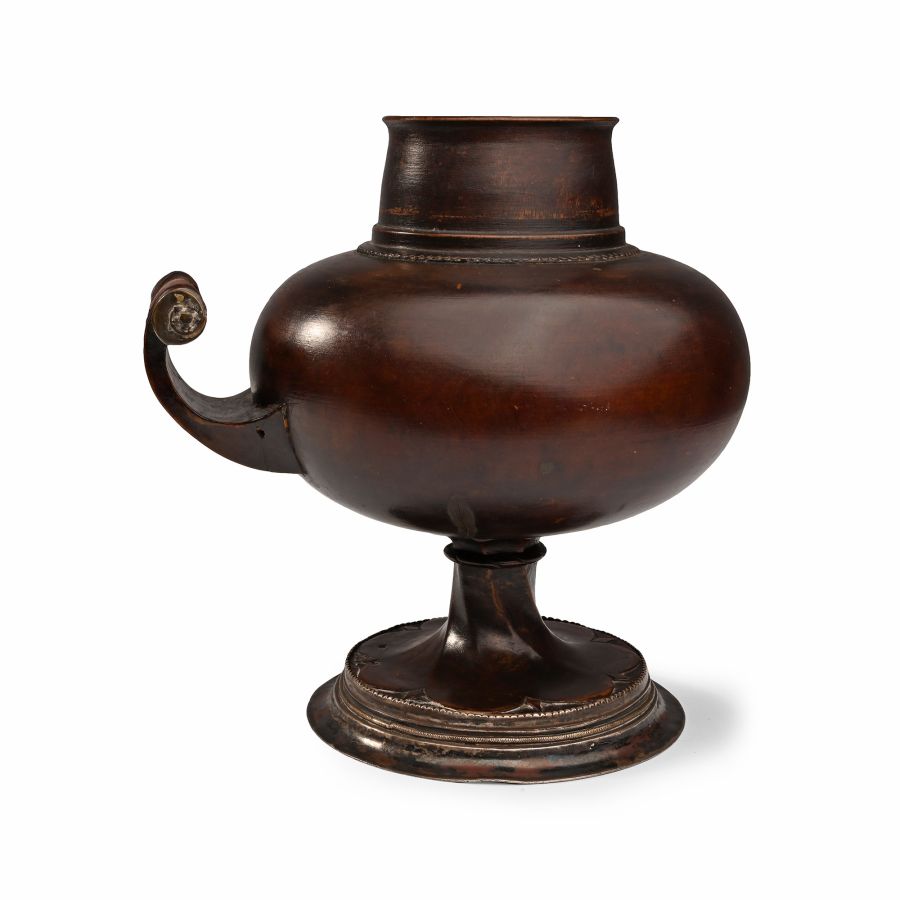
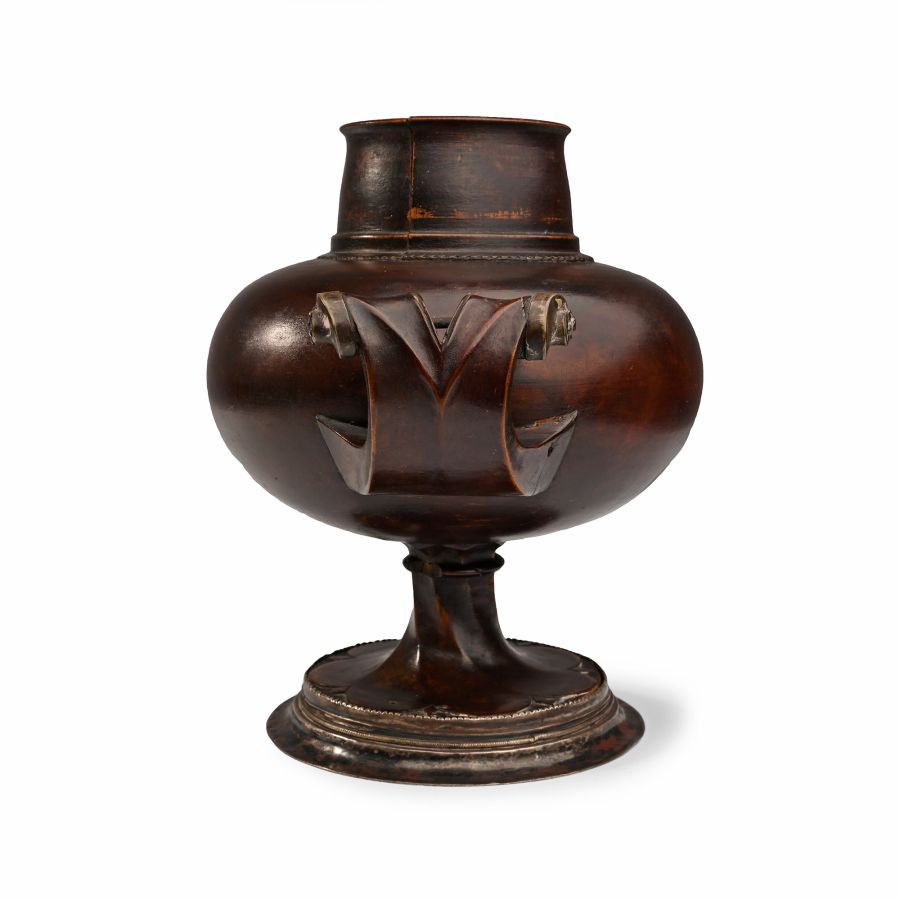
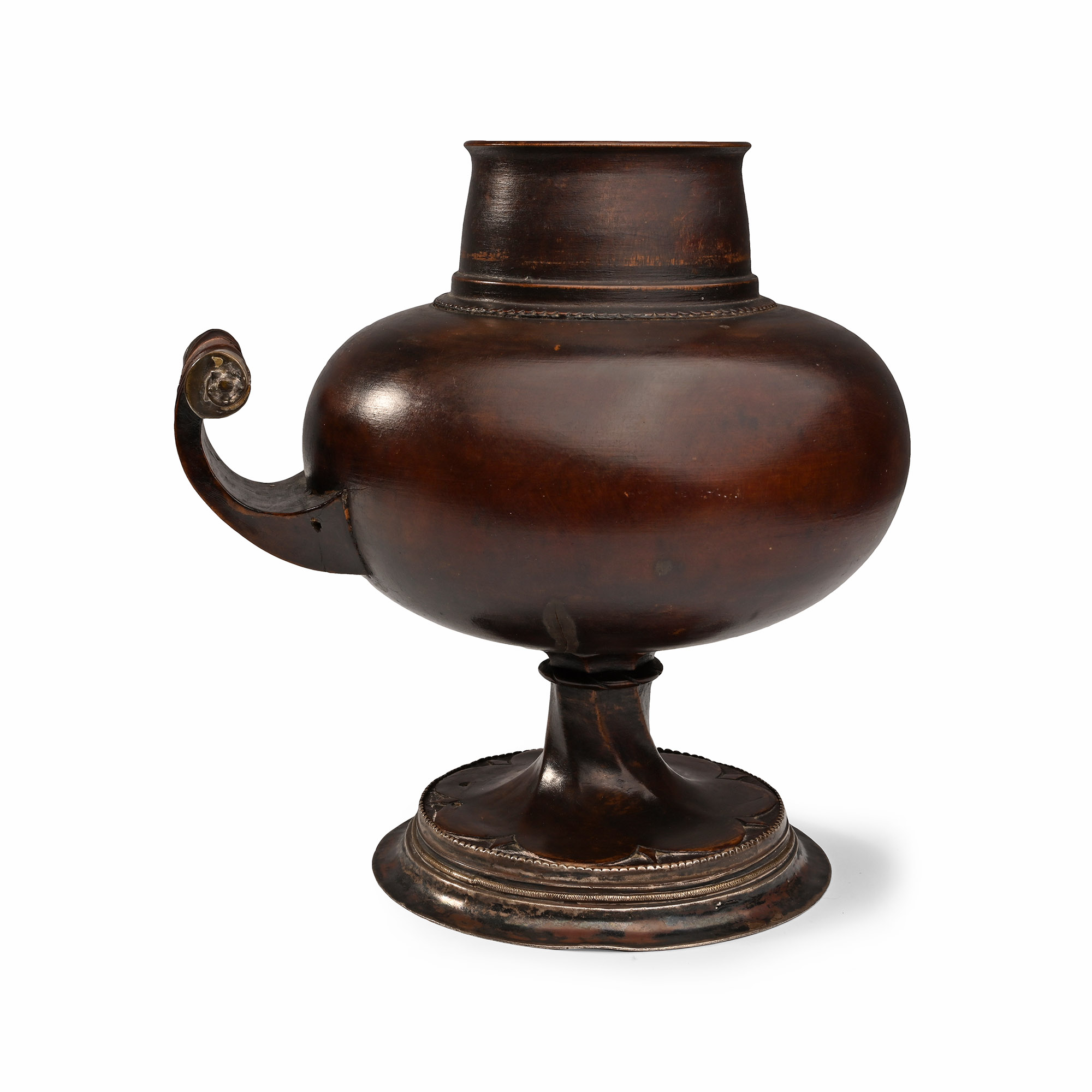
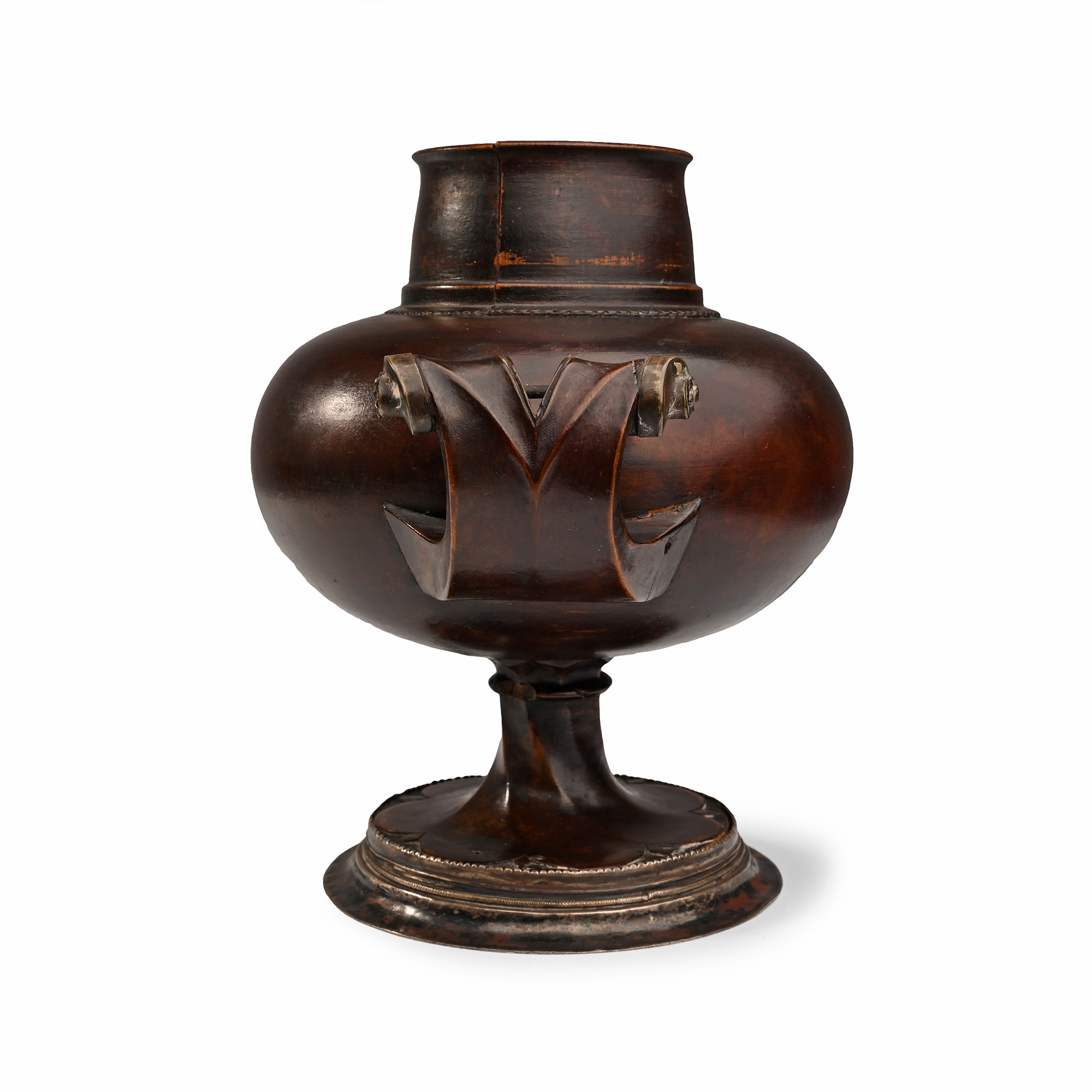
Medieval Boxwood Drinking Cup
SOUTHERN GERMANY, CIRCA 1500 A.D.
7 3/4 in. (445 grams, 19.6 cm high).
Comprising a barrel-shaped turned wooden body with a broad neck and an everted rim, a slender stem and stepped base; a single scrolled handle to reverse. [No Reserve]
ProvenancePfyffer von Sltishofen (1914), a well known family in Switzerland.
with Artcurial Beurret Bailly Widrner, 2025.
This lot has been checked against the Interpol Database of stolen works of art and is accompanied by search certificate number no.12993-246435.
TimeLine Auctions follows a vetting process to ensure the authenticity and legality of all items, reinforcing our commitment to integrity and responsible trading. Each antiquity, antique, and coin lot undergoes thorough examination by a vetting committee of at least ten external specialists, professional trade association members, scientists, and archaeologists: Our Vetting Process
AUCTIONS:
TimeLine is a leading auction house specialising in antiquities, ancient art, collectables, natural history, coins, medals, and books. Our auctions offer museums, collectors, historians, and enthusiasts the opportunity to acquire unique and historically significant pieces.
LOT 0354
Medieval Boxwood Drinking Cup
Estimate £6,000 - 8,000€6,960 - 9,280 (for guidance only)$8,100 - 10,800 (for guidance only)
-
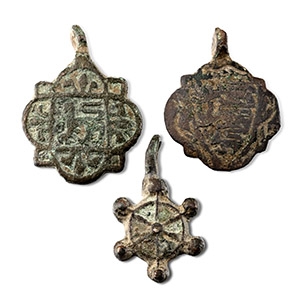
Medieval Knight's Enamelled Bronze Heraldic Horse Harness Pendant Group
14th-15th century A.D.Sold for (Inc. bp): £104
Including quatrefoil and octagonal types with heraldic motifs: lion passant and three lions passant gardant. 24 grams total, 33-36 mm
Found Gloucestershire, UK. Acquired from the early 1980s. From the private collection of a late Gloucestershire, UK, gentleman; thence by descent. -
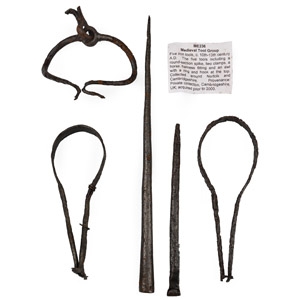
Medieval Iron Tool Collection
10th-13th century A.D.Sold for (Inc. bp): £33
Including U-shaped clamps, an awl and other items. 260 grams total, 10.5 - 25 cm
Acquired prior to 2000. From a private Cambridgeshire, UK, collection. From the property of a late Lincolnshire, UK, gentleman. -
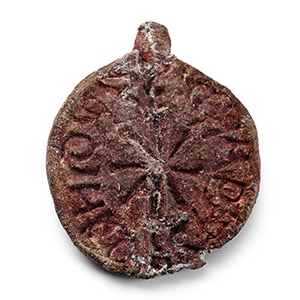
Medieval Lead Round Seal Matrix for Reginald Son of Richard
Circa 14th century A.D.Sold for (Inc. bp): £13
Discoid in plan with lug to the rim, central starburst motif and legend to the border '*S’R’GIN[..]’ (seal of Reginald (son) of Richard). 16.5 grams, 41 mm
From the late Peter Hooper Pewter and Lead collection, who was a guest lecturer at West Dean College and was a longtime member of the Pewter Society, who contributed to the Pewter Society Magazine.
