
Loading, please wait...

LOT 1925
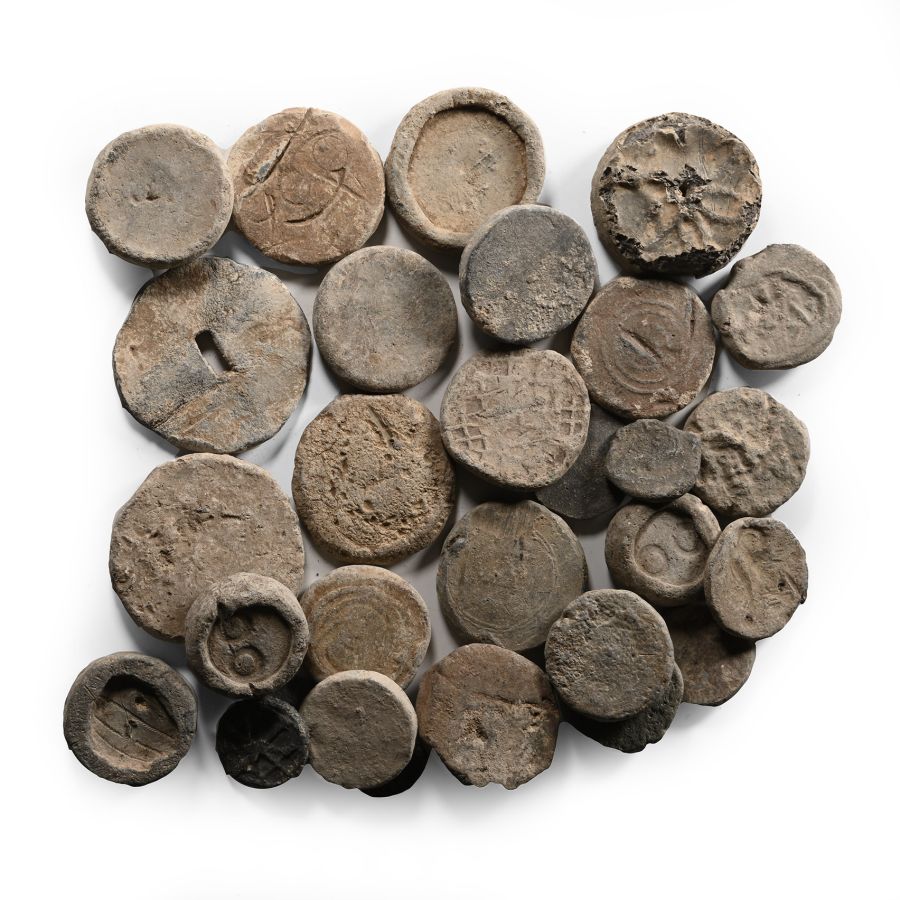
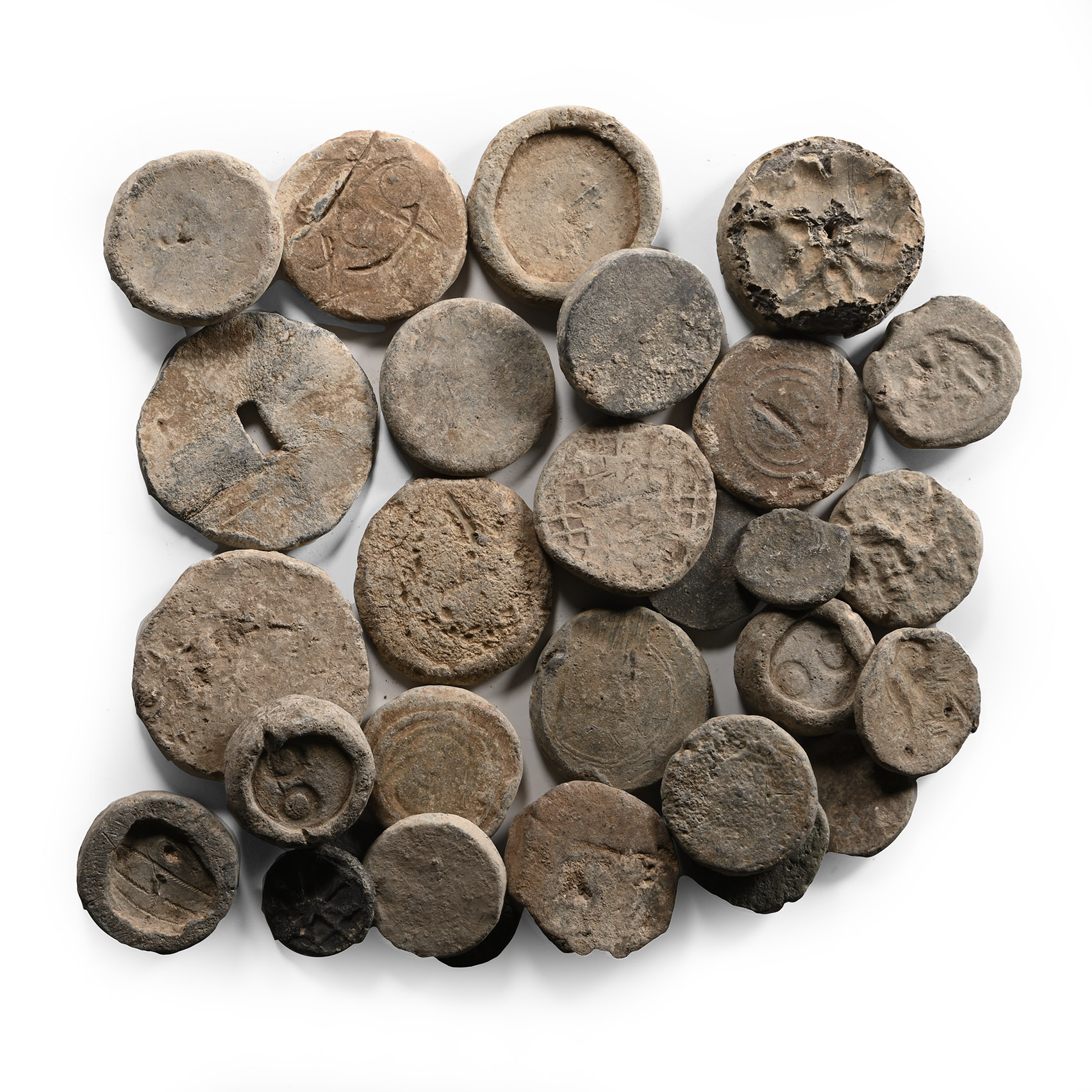
Medieval and Later Lead Weight and Token Collection
14TH-20TH CENTURY A.D.
3/4 - 1 3/4 in. (1.2 kg total, 19-44 mm).
Mainy discoid and barrel-shapd types, some with shallow recess, piercing and other embellishments. [29, No Reserve]
ProvenanceEx Simmons Gallery, 1990s.
CONDITIONTimeLine Auctions follows a vetting process to ensure the authenticity and legality of all items, reinforcing our commitment to integrity and responsible trading. Each antiquity, antique, and coin lot undergoes thorough examination by a vetting committee of at least ten external specialists, professional trade association members, scientists, and archaeologists: Our Vetting Process
AUCTIONS:
TimeLine is a leading auction house specialising in antiquities, ancient art, collectables, natural history, coins, medals, and books. Our auctions offer museums, collectors, historians, and enthusiasts the opportunity to acquire unique and historically significant pieces.
-
.jpg)
Medieval and Later Artefact Group
14th century A.D. and laterSold for (Inc. bp): £20
Including a winder key, belt buckles, Jew's harp and other items. 133 grams total, 19-53 mm
Private collection, Buckinghamshire, UK; formed in the 1980s. Property of a Scottish collector, acquired in 2013.
Three buckles from this set can be dated to the 16th, 17th and 18th centuries A.D. Very often the pin of these buckles was made of brass, and some were used for the sword's or sabre's baldric, positioned across the right shoulder of the body. -
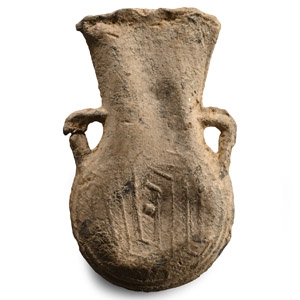
Medieval Lead Pilgrim's Holy Water Ampulla
14th-15th century A.D.Sold for (Inc. bp): £98
With lateral angle handles and low-relief 'IHS' monogram to one face of the bulb, hatched design to the reverse. 39.7 grams, 54 mm
From the collection of the famous author, writer and speaker, Gordon Bailey, Essex, UK; formed since 1968. -
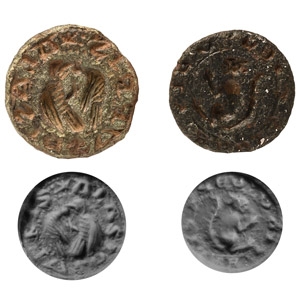
Medieval Bronze Seal Matrix Pair
14th century A.D.Sold for (Inc. bp): £26
One with incuse squirrel motif; the other with a bird of prey seizing a smaller bird, accompanied by the legend 'ALAS IE SV PRIS' for 'Alas, I am caught'. 15.4 grams total, 21 mm each
From the collection of the famous author, writer and speaker, Gordon Bailey, Essex, UK; formed since 1968.
