
Loading, please wait...
LOT 1808
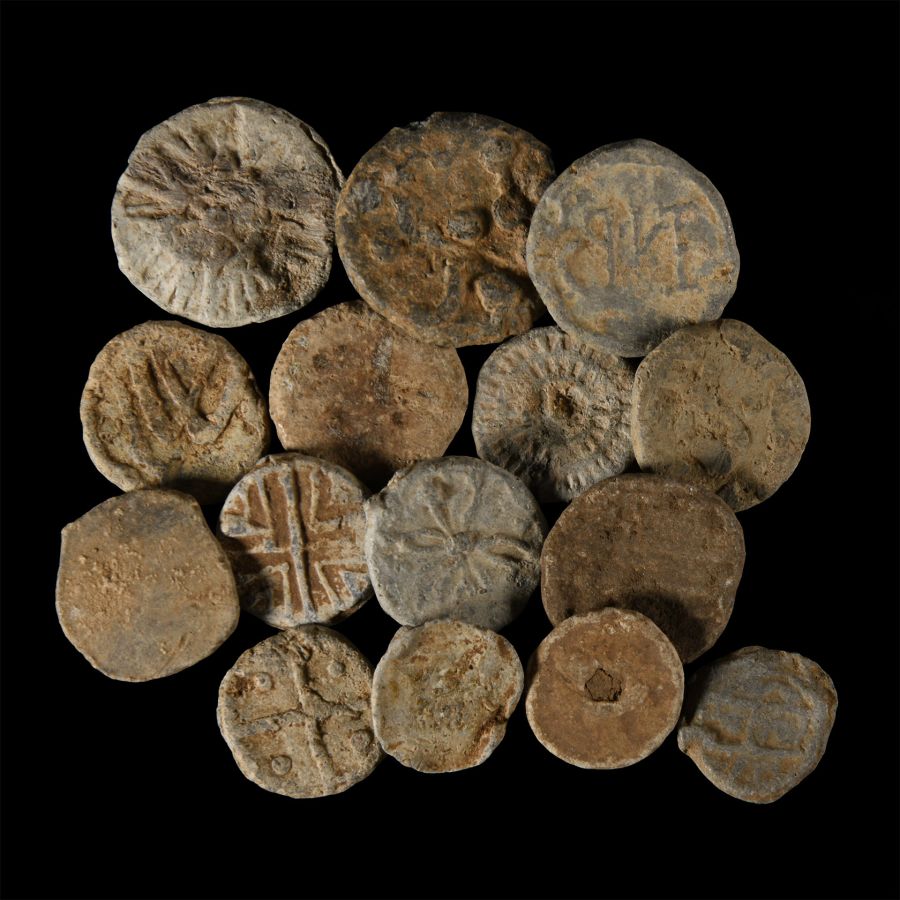
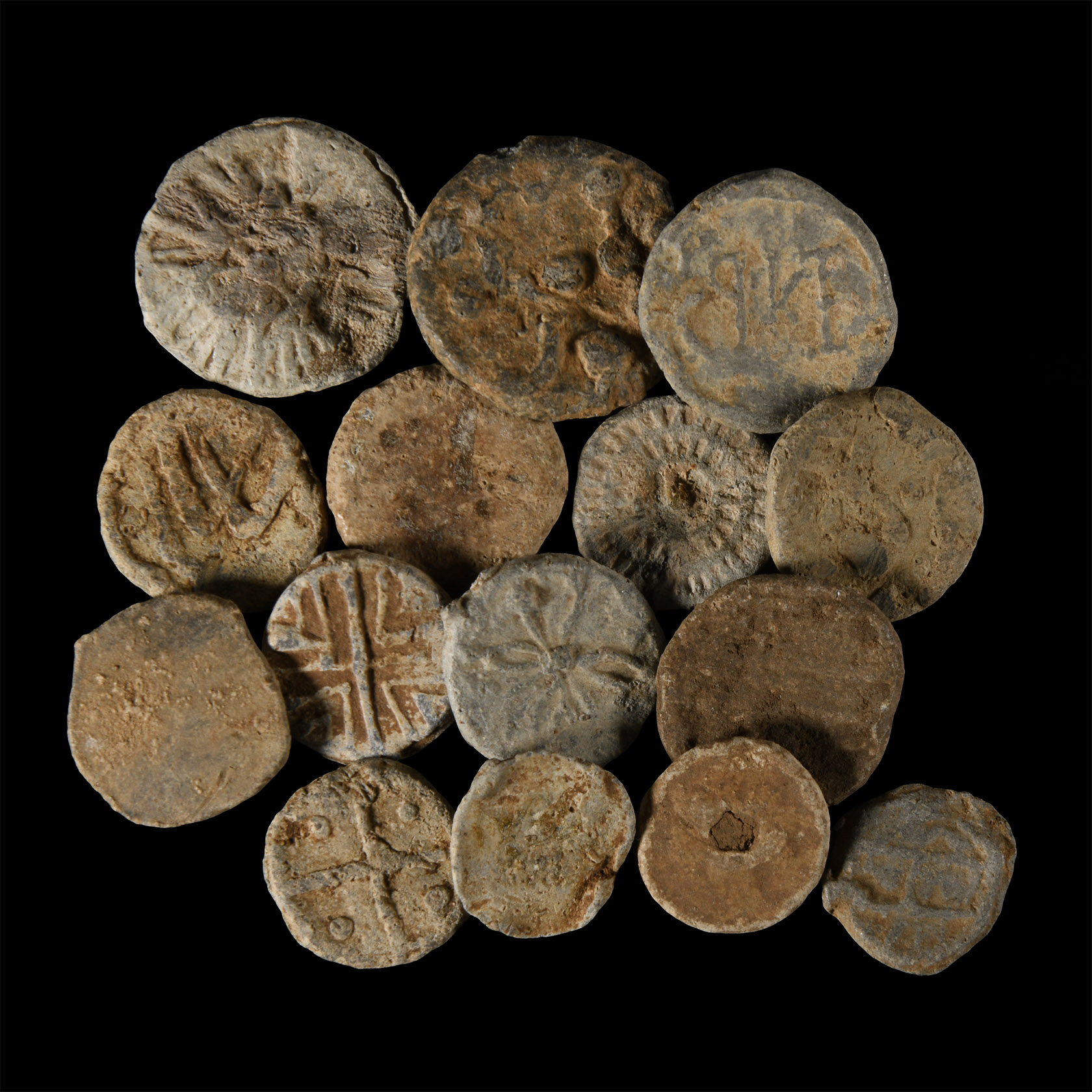
Medieval and Later Lead Token Collection
15TH-18TH CENTURY A.D.
5/8 - 1 in. (101 grams total, 17-26 mm).
Mainly unifacial discoid types with radiating bars, voided cross, concentric rings and other designs. [15, No Reserve]
ProvenanceEx Nigel Mills, London, UK.
CONDITIONTimeLine Auctions follows a vetting process to ensure the authenticity and legality of all items, reinforcing our commitment to integrity and responsible trading. Each antiquity, antique, and coin lot undergoes thorough examination by a vetting committee of at least ten external specialists, professional trade association members, scientists, and archaeologists: Our Vetting Process
AUCTIONS:
TimeLine is a leading auction house specialising in antiquities, ancient art, collectables, natural history, coins, medals, and books. Our auctions offer museums, collectors, historians, and enthusiasts the opportunity to acquire unique and historically significant pieces.
-
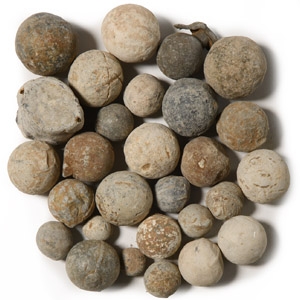
Post Medieval Lead Musket Ball and Pistol Shot Collection
17th-18th century A.D.Sold for (Inc. bp): £7
Mixed group including a leader powder-measure. 600 grams total, 9-18 mm
Acquired since the 1970s. From the private collection of a Surrey, UK, gentleman. -
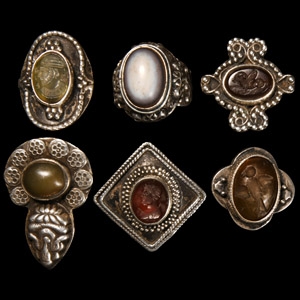
Mixed Ring Group
20th century A.D.Sold for (Inc. bp): £26
Mixed group of silver-coloured metal finger rings with cabochon and other intaglios and inset stones. 82 grams total, 26-40 mm
Property of a South West London gentleman. -
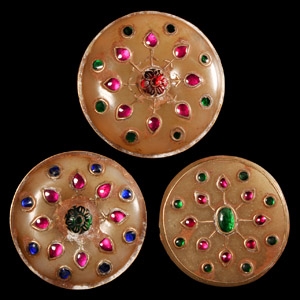
Stone Mount Group with Rubies
20th century A.D.Sold for (Inc. bp): £1,430
Group of three domed plaques each with inset rubies and other detailing. 124 grams total, 49-56 mm
Property of a South West London gentleman.
