
Loading, please wait...
LOT 1702
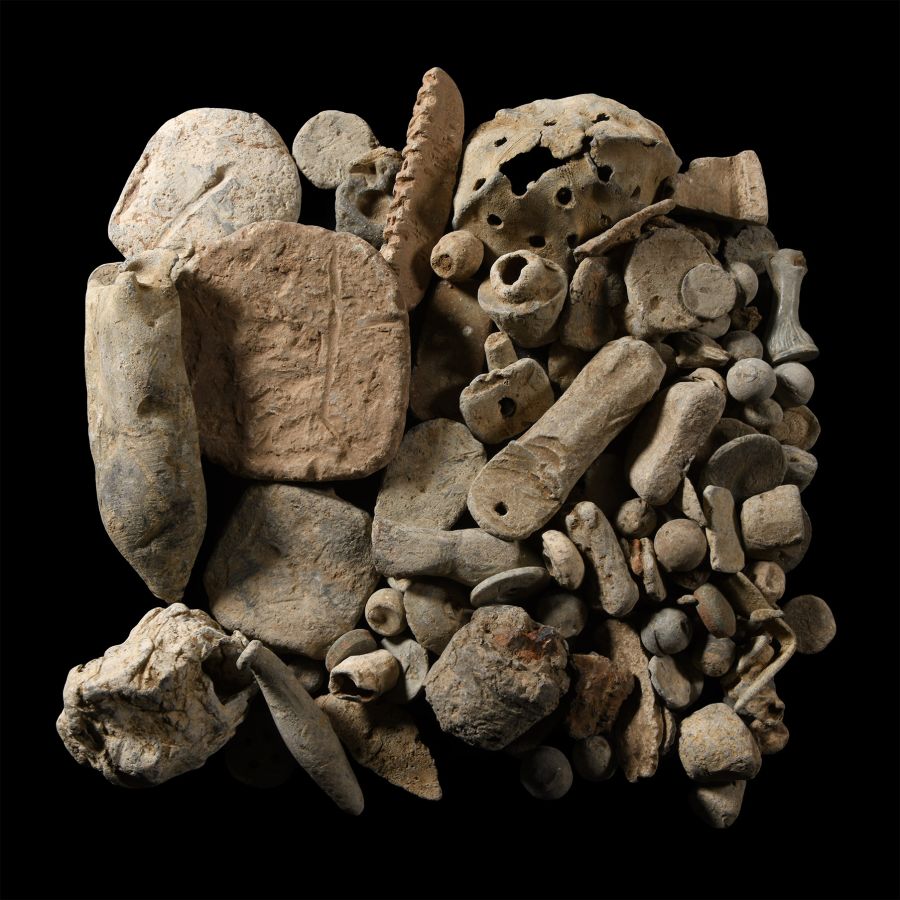
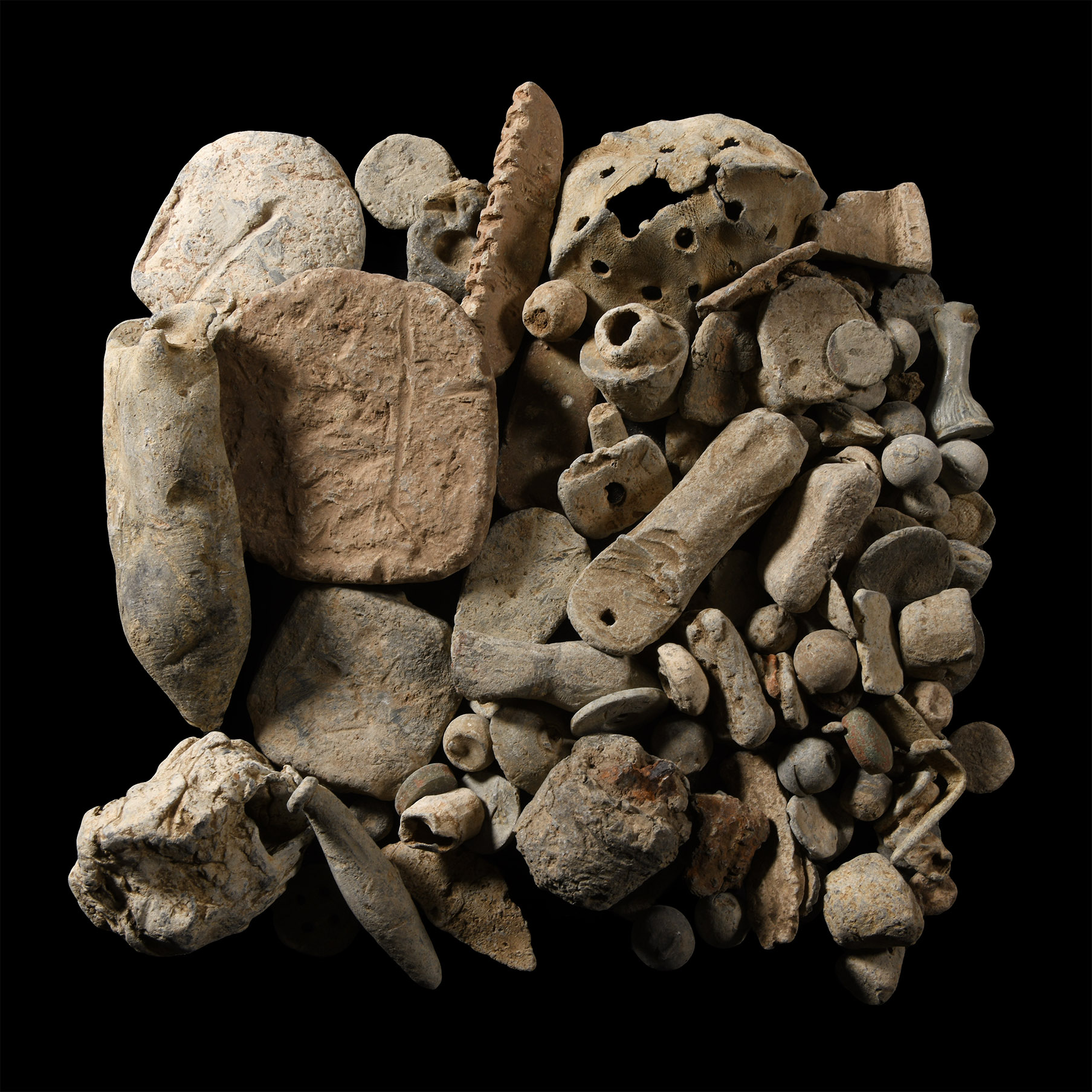
Medieval and Later Lead Artefact Group
CIRCA 14TH-20TH CENTURY A.D.
1/2 - 4 1/4 in. (4.54 kg total, 12-110 mm).
Mixed group including bag seals, musket and pistol balls, trade weights, plumb weights and other items. [106, No Reserve]
ProvenanceFound Hertfordshire, UK.
CONDITIONTimeLine Auctions follows a vetting process to ensure the authenticity and legality of all items, reinforcing our commitment to integrity and responsible trading. Each antiquity, antique, and coin lot undergoes thorough examination by a vetting committee of at least ten external specialists, professional trade association members, scientists, and archaeologists: Our Vetting Process
AUCTIONS:
TimeLine is a leading auction house specialising in antiquities, ancient art, collectables, natural history, coins, medals, and books. Our auctions offer museums, collectors, historians, and enthusiasts the opportunity to acquire unique and historically significant pieces.
-
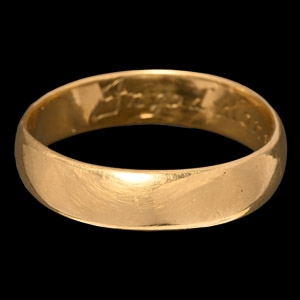
Medieval Gold 'In God Alone We Two Are One' Posy Ring
Circa 1600-1750 A.D.Sold for (Inc. bp): £1,235
With a wide D-section hoop, inscription to the inner face reading 'In god alone wee two are one' with long e. 6.37 grams, 22.95 mm overall, 20.22 mm internal diameter (approximate size British U 1/2, USA 10 1/4, Europe 23.15, Japan 22)
Ex Lionel collection, formed 1980s. From the Horton collection, UK. -
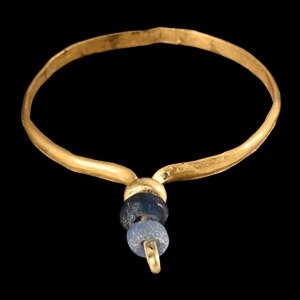
Medieval Gold Beaded Ring
14th-16th century A.D.Estimate: £150 - 200 (+bp*)
Opening Bid: £75
Slender hoop with two small annular glass beads for the bezel. 1.04 grams, 28.17 mm overall, 18.82 mm internal diameter (approximate size British O 1/2, USA 7 1/4, Europe 15.61, Japan 15)
From a late Japanese specialist collector, 1970-2000s. -
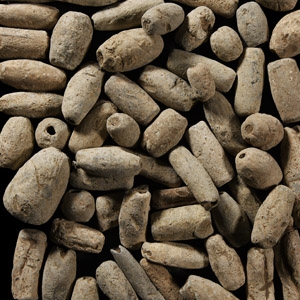
Medieval Lead Fishing Weight Group
Circa 14th-16th century A.D.Sold for (Inc. bp): £13
Mixed group of tubular, fusiform, oblate and other types. 2.2 kg total, 16-63 mm
Found Hertfordshire, UK.
