
Loading, please wait...
LOT 1819
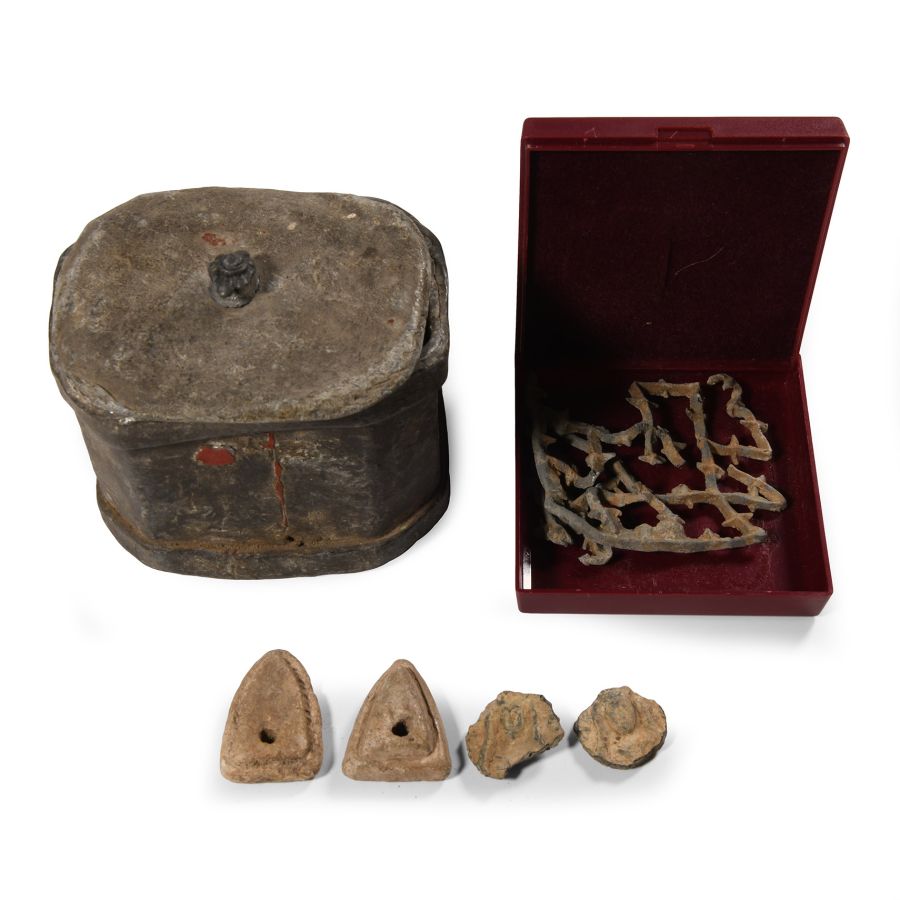
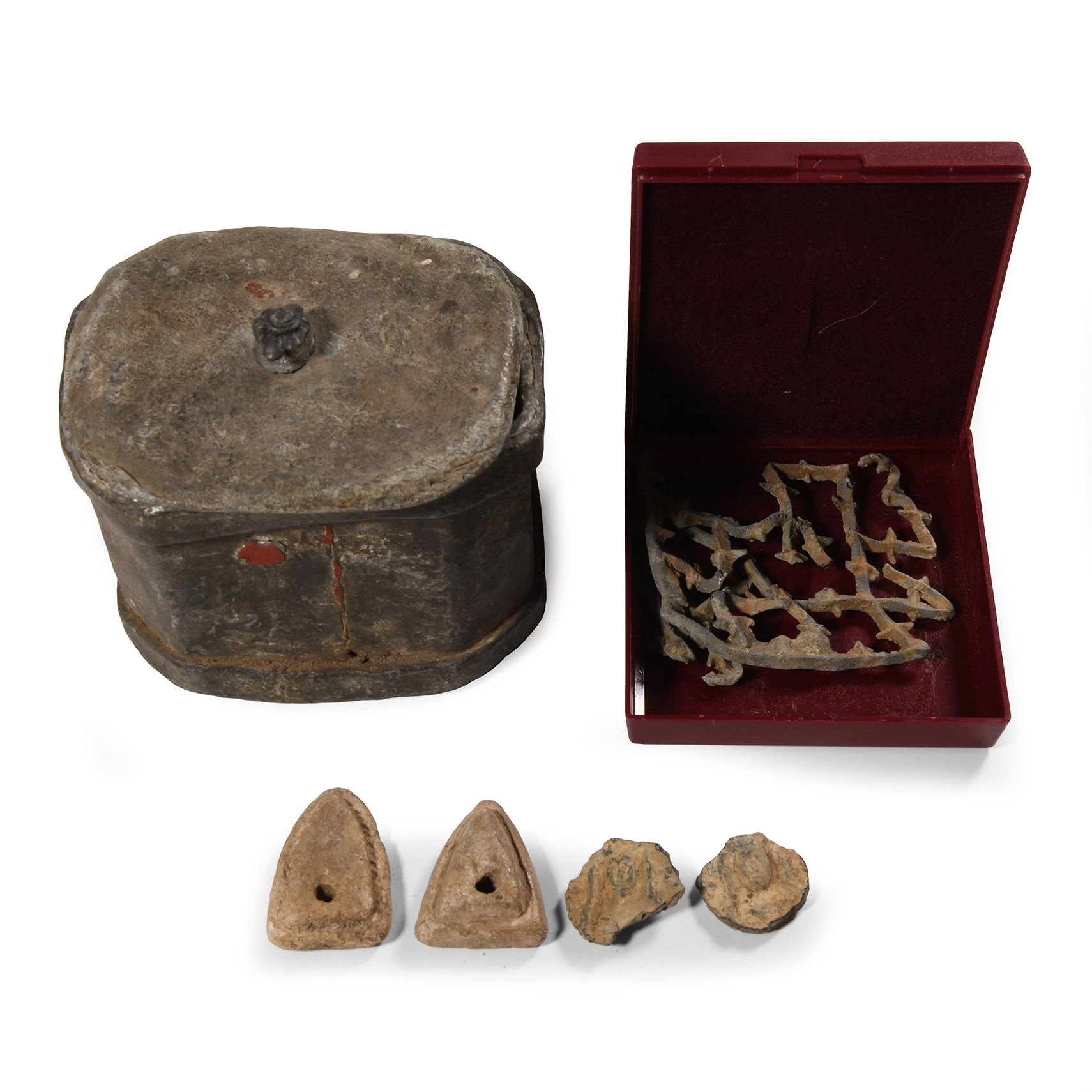
Medieval and Later Lead Artefact Collection
14TH-17TH CENTURY A.D.
1 - 4 in. (1.33 kg total, 2.4-10.2 cm).
Including a substantial caddy, octagonal in plan with separate lid; a portion of cast grill from a church; heater-shaped and other weights; many of these objects are published in the Detector Finds book series. [10, No Reserve]
ProvenanceFrom the collection of the famous author, writer and speaker, Gordon Bailey, Essex, UK; formed since 1968.
PublishedBailey, G., Detector Finds 7, Witham, 2011, p.120, item 3a,b (heater-shaped weight).
CONDITIONTimeLine Auctions follows a vetting process to ensure the authenticity and legality of all items, reinforcing our commitment to integrity and responsible trading. Each antiquity, antique, and coin lot undergoes thorough examination by a vetting committee of at least ten external specialists, professional trade association members, scientists, and archaeologists: Our Vetting Process
AUCTIONS:
TimeLine is a leading auction house specialising in antiquities, ancient art, collectables, natural history, coins, medals, and books. Our auctions offer museums, collectors, historians, and enthusiasts the opportunity to acquire unique and historically significant pieces.
-
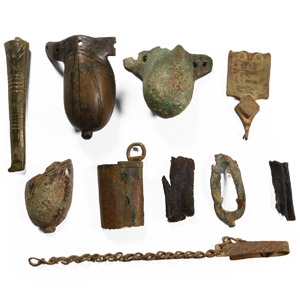
Medieval Bronze Artefact Collection
14th-16th century A.D.Sold for (Inc. bp): £20
Including furniture fittings, knife handle, hooked clasp and other items; many of these objects are published in the Detector Finds book series. 255 grams total, 41-90 mm
From the collection of the famous author, writer and speaker, Gordon Bailey, Essex, UK; formed since 1968. -
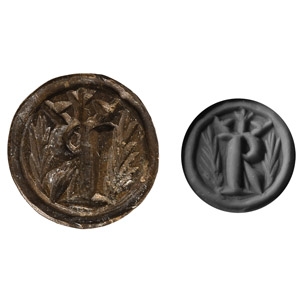
Medieval 'Published' Bronze Seal Matrix with Crowned R
14th century A.D.Sold for (Inc. bp): £46
Chessman-type with pierced finial; die with capital 'R' beneath a crown surrounded by a wreath. 8.8 grams, 26 mm
From the collection of the famous author, writer and speaker, Gordon Bailey, Essex, UK; formed since 1968. -
.jpg)
Medieval and Later Bronze Buckle Collection
Circa 14th-19th century A.D.Sold for (Inc. bp): £46
Mixed group of buckles and buckle-plates including D-shaped, double-loop, trapezoidal and other types. 414 grams total, 12-57 mm
Found Hertfordshire, UK.
