
Loading, please wait...
LOT 1633
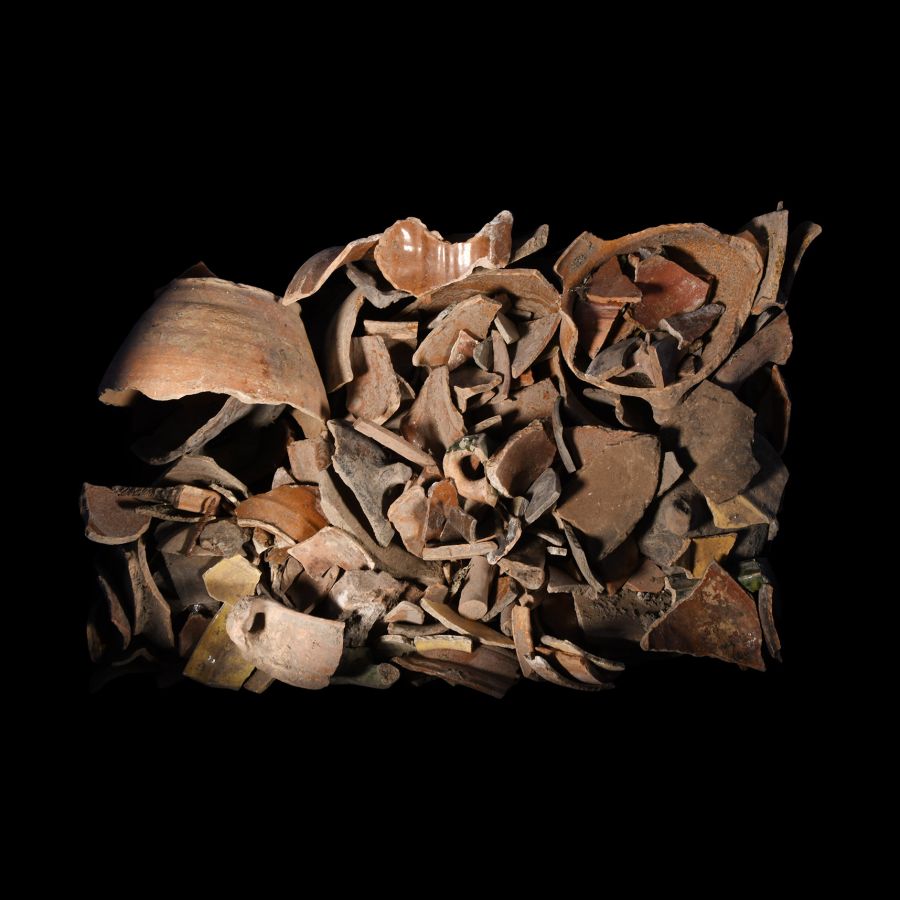
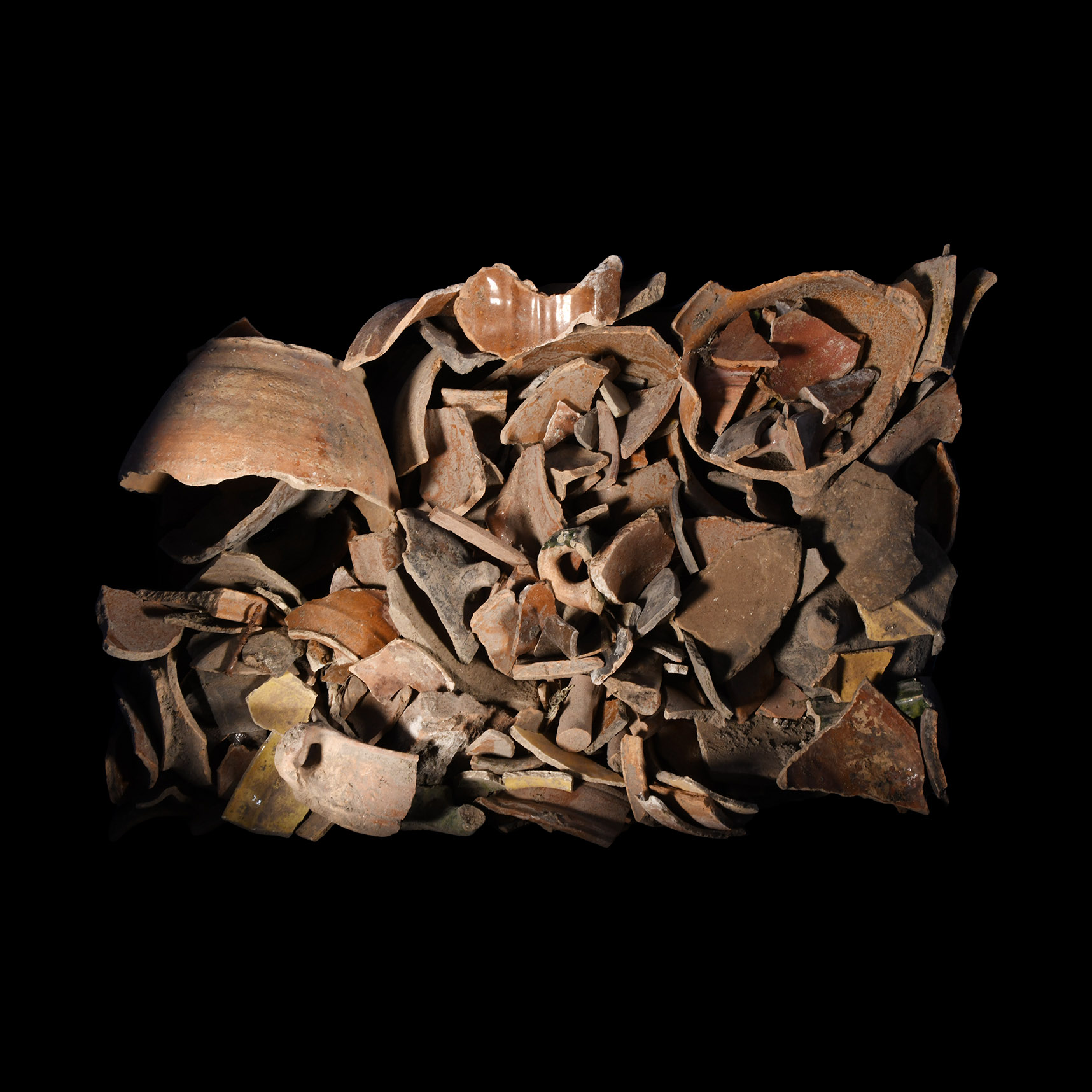
Medieval and Later Dutch Pottery Pit Dug Fragment Group
CIRCA 15TH-17TH CENTURY A.D.
1/2 - 6 3/4 in. (17.8 kg total, 1.5-17 cm).
Comprising glazed and unglazed fragments from various vessel types, including examples with decoration. [No Reserve]
ProvenanceAcquired 1990s-early 2000s.
East Anglian private collection.
TimeLine Auctions follows a vetting process to ensure the authenticity and legality of all items, reinforcing our commitment to integrity and responsible trading. Each antiquity, antique, and coin lot undergoes thorough examination by a vetting committee of at least ten external specialists, professional trade association members, scientists, and archaeologists: Our Vetting Process
AUCTIONS:
TimeLine is a leading auction house specialising in antiquities, ancient art, collectables, natural history, coins, medals, and books. Our auctions offer museums, collectors, historians, and enthusiasts the opportunity to acquire unique and historically significant pieces.
-
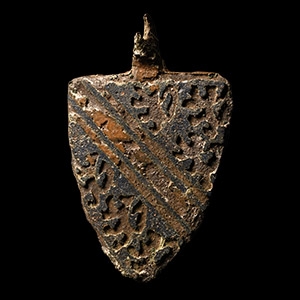
Medieval Bronze 'de Bohun Family' Knight's Heraldic Horse Harness Pendant
14th-15th century A.D.Sold for (Inc. bp): £182
Of heater shield type with suspension lug, bend cotised between six lions rampant, remains of enamel, arms of the de Bohun family. 13.3 grams, 45 mm
Found UK. Acquired on the UK art market after 2000. Ex Stratford collection, Suffolk, UK. -
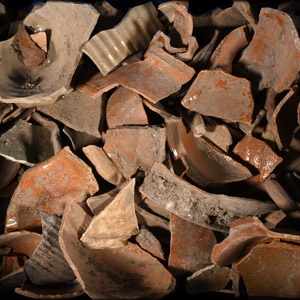
Medieval and Later Dutch Pottery Pit Dug Fragment Group
Circa 15th-17th century A.D.Sold for (Inc. bp): £1
Most glazed and from various vessel types, including examples with decoration. 19.5 kg total, 1.5-17.5 cm
Acquired 1990s-early 2000s. East Anglian private collection. -
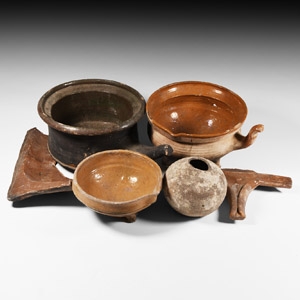
Medieval Ceramic Group
15th century A.D. and laterSold for (Inc. bp): £7
Composed of glazed and unglazed vessels including a tripod pot with pouring mouth, tripod pouring bowl, large tripod pot with handle, bulbous jar and other fragments; most chipped or cracked. 5.85 kg total, 12-35 cm
Acquired 1990s-early 2000s. East Anglian private collection.
