
Loading, please wait...
LOT 0539
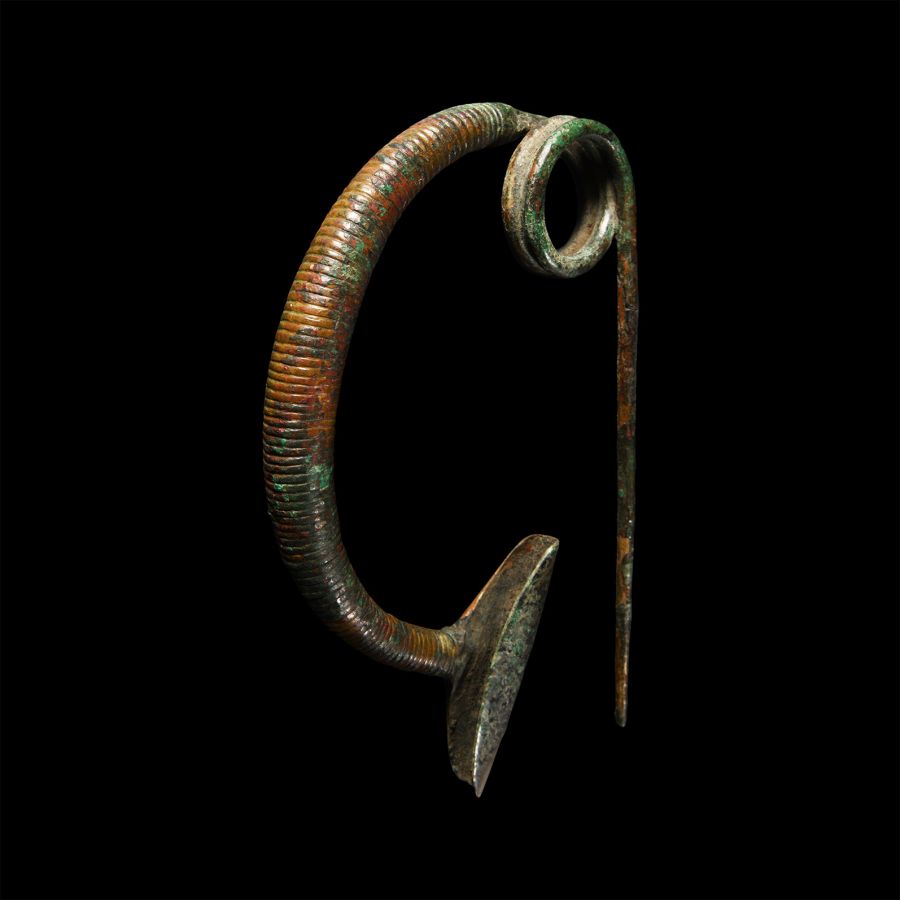
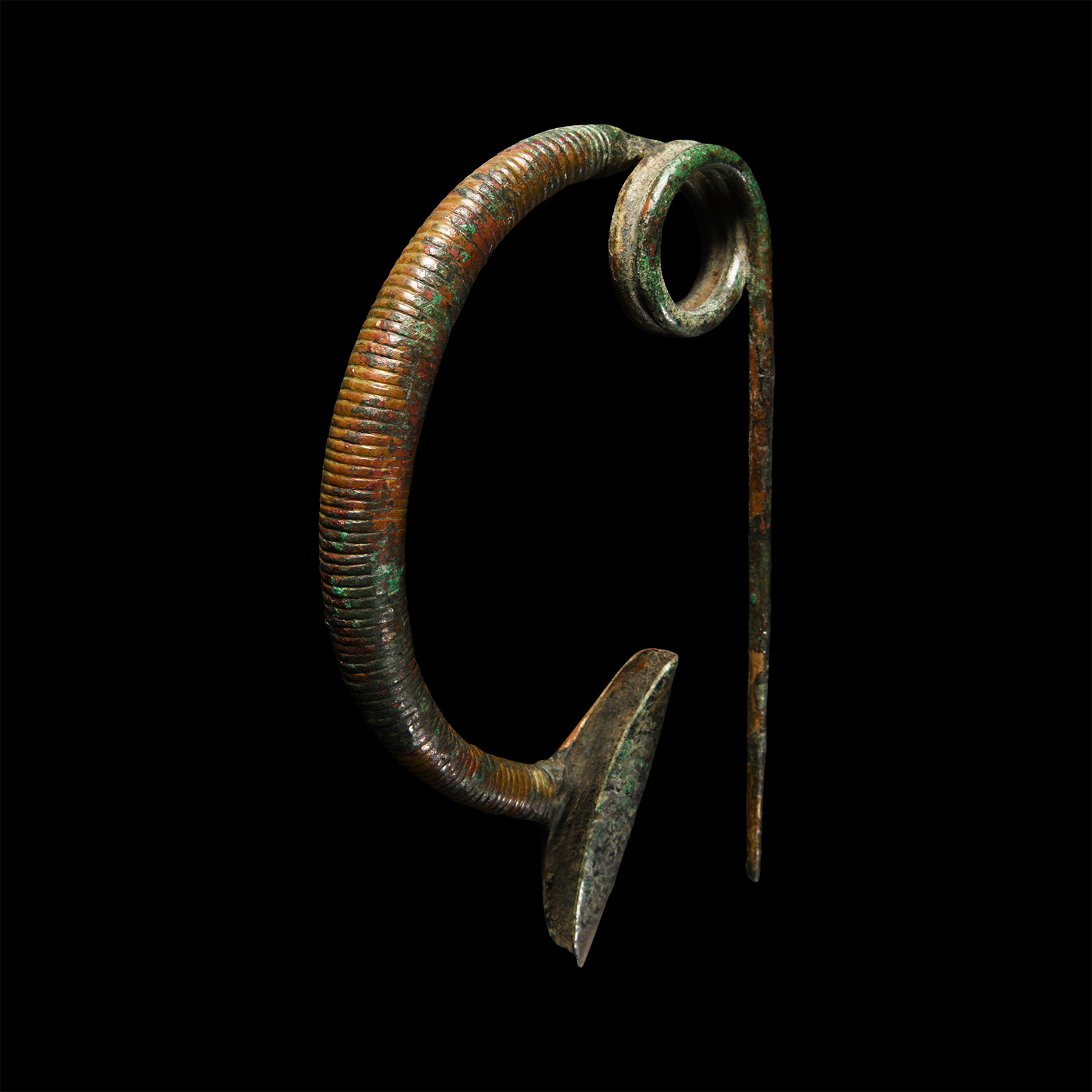
Massive Greek Bow Brooch
8TH-6TH CENTURY B.C.
6 in. (206 grams, 15 cm).
Composed of a faux-twisted round-section body, tapering towards a catchplate and repaired integral coiled pin.
ProvenanceEx Garcia collection, France, 1990s-2000s.
CONDITIONTimeLine Auctions follows a vetting process to ensure the authenticity and legality of all items, reinforcing our commitment to integrity and responsible trading. Each antiquity, antique, and coin lot undergoes thorough examination by a vetting committee of at least ten external specialists, professional trade association members, scientists, and archaeologists: Our Vetting Process
AUCTIONS:
TimeLine is a leading auction house specialising in antiquities, ancient art, collectables, natural history, coins, medals, and books. Our auctions offer museums, collectors, historians, and enthusiasts the opportunity to acquire unique and historically significant pieces.
-
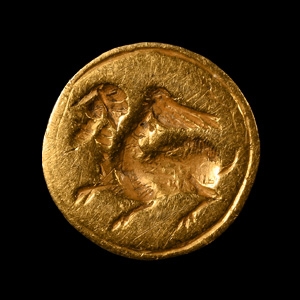
Archaic Greek Gold Intaglio with Mythical Creature
Circa 8th century B.C.Sold for (Inc. bp): £780
The gold roundel displaying an incuse winged creature with the head of a human and body of an animal. 0.50 grams, 7 mm
Acquired 1969-1999. From the private collection of the late Mr S.M., London, UK, thence by descent. -
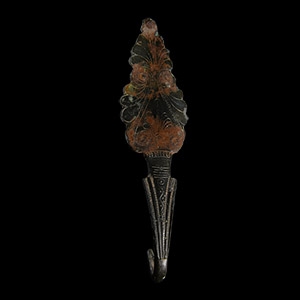
Etruscan Tinned Bronze Armoured Belt Hook
6th-5th century B.C.Sold for (Inc. bp): £46
Composed of a scalloped foliate plate and tapering neck, displaying geometric and foliate detailing. 26 grams, 11.7 cm
Acquired in the 1970s. Private collection of a London antiquarian. -
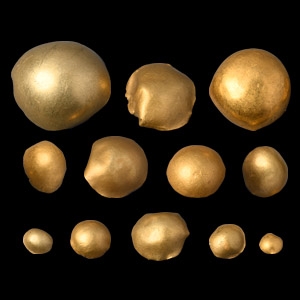
Greek Gold Domed Dress Decoration Set
Circa 3rd century B.C.Sold for (Inc. bp): £211
Comprising twelve garment fittings of various sizes, each discoid in form with one domed face and concave reverse; at least nine with loops for attachment; accompanied by a display frame. 3.01 grams total, 2-12 mm (207 grams total, 13 x 13.5 cm including case)
Fine condition.
Acquired 1970-2010. Collection of a late Japanese gentleman.
