
Loading, please wait...
LOT 2108
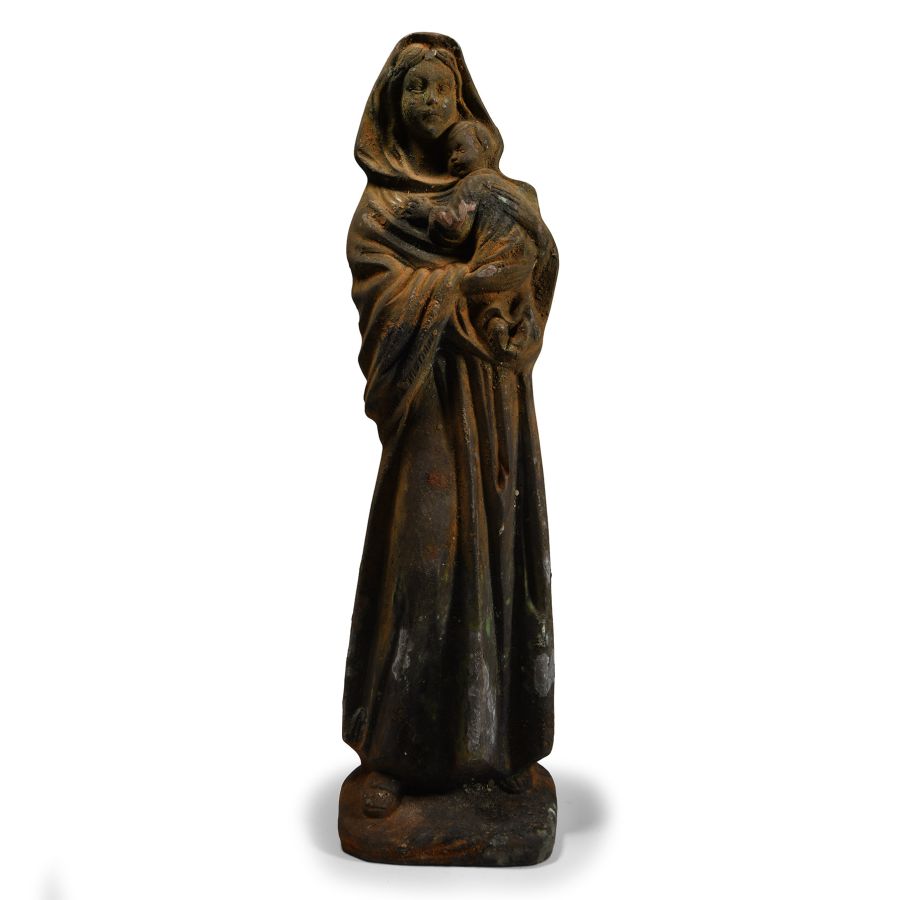
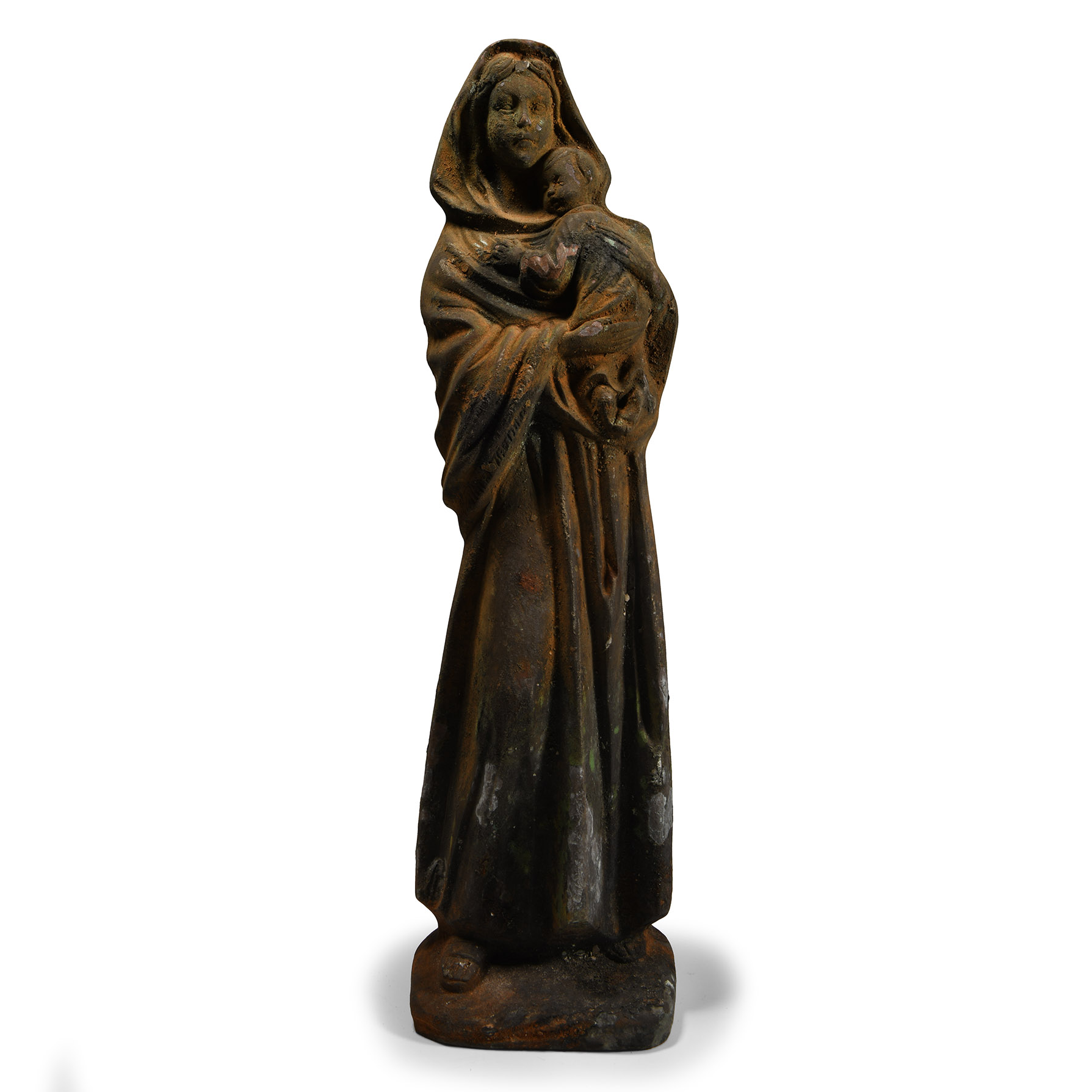
Madonna with Child Statue
19TH-EARLY 20TH CENTURY A.D.
15 3/8 in. (4 kg, 39 cm).
Hollow-formed cast iron figure of Mary in hooded ankle-length gown holding the infant Jesus, standing on a rectangular base. [No Reserve]
ProvenanceFrom a collection acquired on the UK art market from various auction houses and collections mostly before 2000.
From an important Cambridgeshire estate; thence by descent.
TimeLine Auctions follows a vetting process to ensure the authenticity and legality of all items, reinforcing our commitment to integrity and responsible trading. Each antiquity, antique, and coin lot undergoes thorough examination by a vetting committee of at least ten external specialists, professional trade association members, scientists, and archaeologists: Our Vetting Process
AUCTIONS:
TimeLine is a leading auction house specialising in antiquities, ancient art, collectables, natural history, coins, medals, and books. Our auctions offer museums, collectors, historians, and enthusiasts the opportunity to acquire unique and historically significant pieces.
-
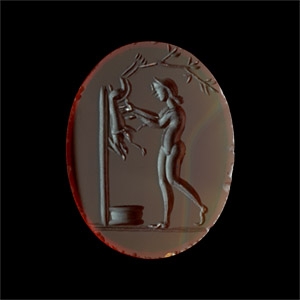
Neoclassical Carnelian Gemstone with Naked Goddess
18th-19th century A.D.Sold for (Inc. bp): £247
Ellipsoid panel with nude female supporting an inverted dog over a libation bowl, frond above; supplied with a museum-quality impression. 1.47 grams, 25 mm
Private collection, England. -
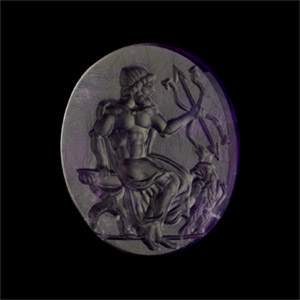
Amethyst Seated Jupiter Gemstone
20th century A.D.Sold for (Inc. bp): £416
With intaglio Jupiter seated on a chair, eagle at his feet and thunderbolt in his raised hand; supplied with a museum-quality impression. 1.22 grams, 13 mm
Private collection, England. -
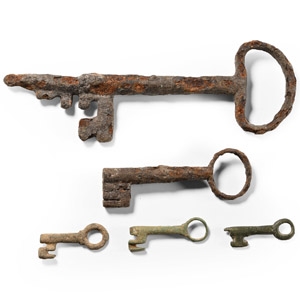
Tudor and Later Bronze and Iron Key Group
16th-18th century A.D.Sold for (Inc. bp): £46
Including a large iron door-key with kidney-shaped bow, a barrel-shank key and small casket keys. 115 grams total, 3.3-15 cm
Found various sites in the UK. Ex N.Mills.
