
Loading, please wait...
LOT 1254
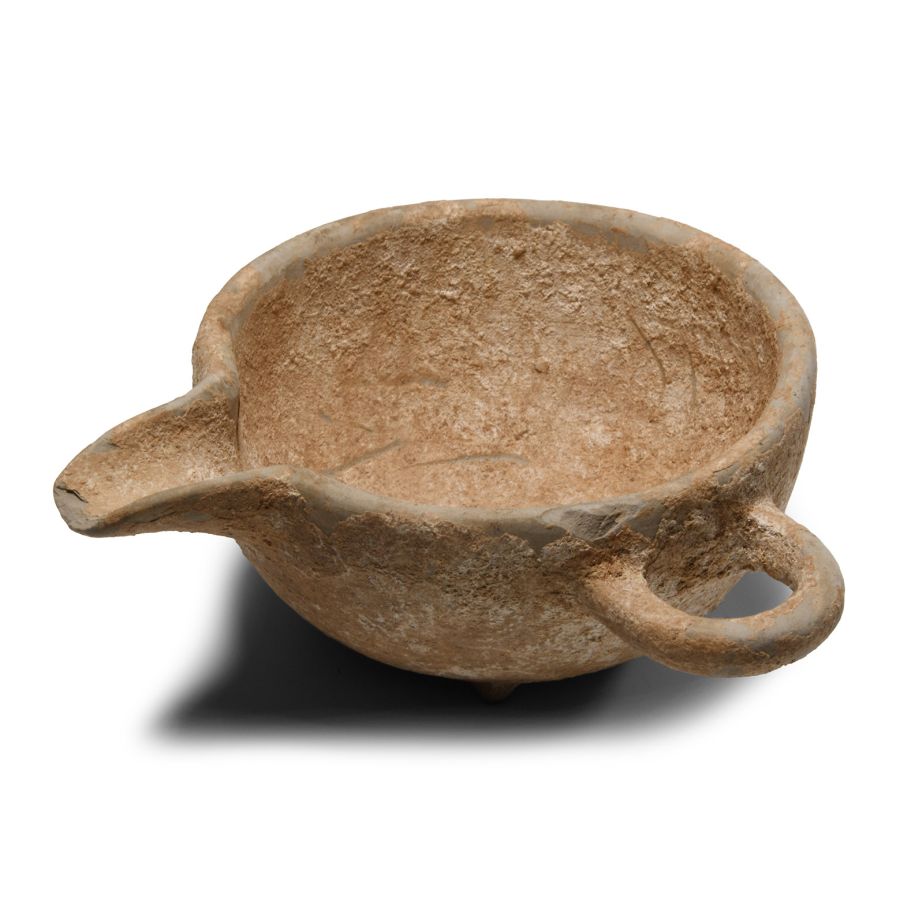
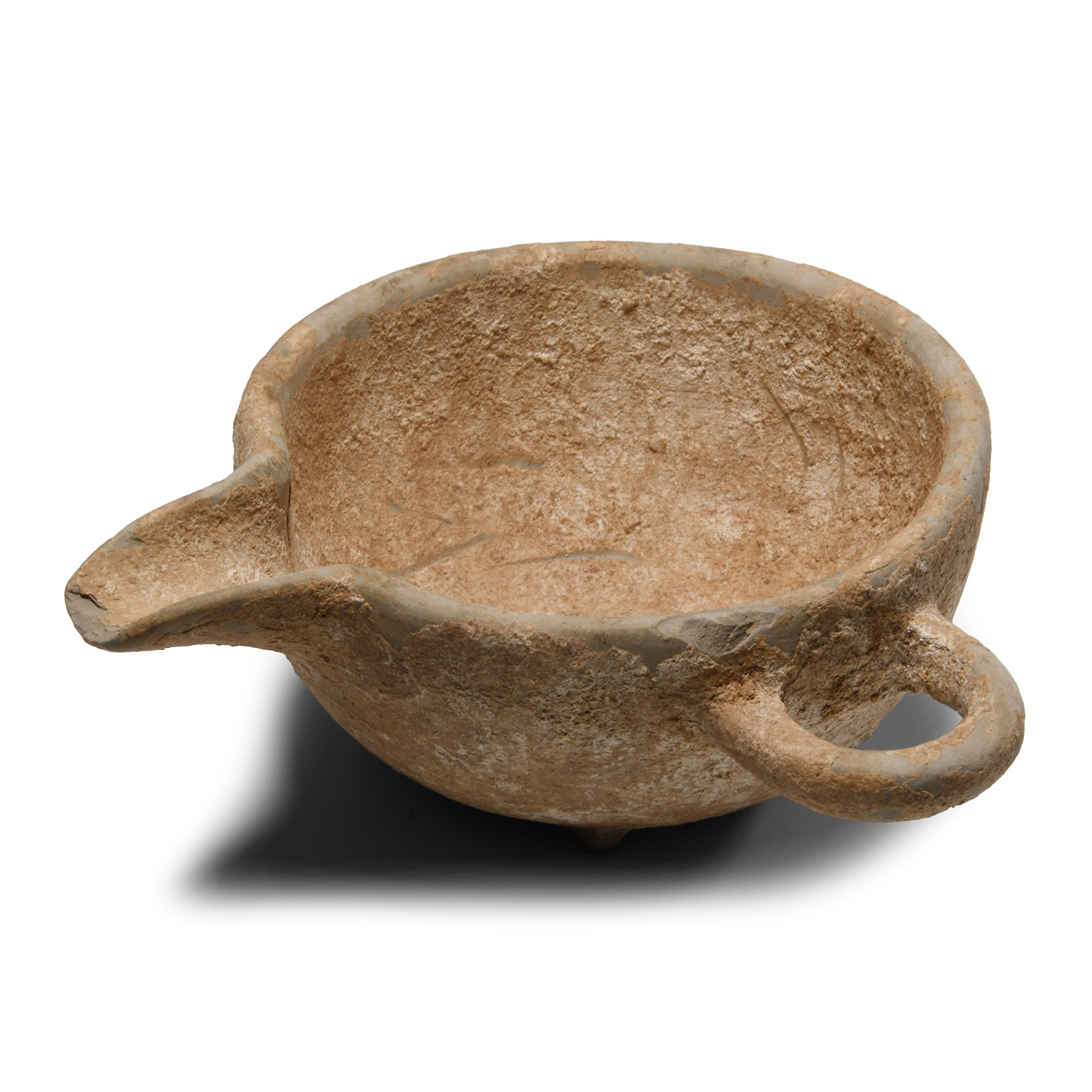
Luristan Spouted Terracotta Bowl
CIRCA 13TH-7TH CENTURY B.C.
5 3/8 in. (210 grams, 13.5 cm wide).
With broad hemispherical bowl, short U-section spout, integral round-section handle and three stub feet.
ProvenanceAcquired 1980-2015.
Ex Abelita family collection.
TimeLine Auctions follows a vetting process to ensure the authenticity and legality of all items, reinforcing our commitment to integrity and responsible trading. Each antiquity, antique, and coin lot undergoes thorough examination by a vetting committee of at least ten external specialists, professional trade association members, scientists, and archaeologists: Our Vetting Process
AUCTIONS:
TimeLine is a leading auction house specialising in antiquities, ancient art, collectables, natural history, coins, medals, and books. Our auctions offer museums, collectors, historians, and enthusiasts the opportunity to acquire unique and historically significant pieces.
-
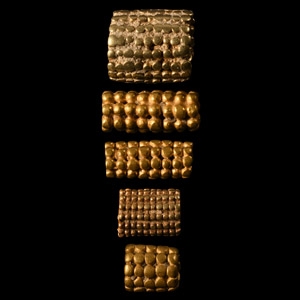
Western Asiatic Graduated Gold Tubular Bead Set
2nd-1st millennium B.C.Sold for (Inc. bp): £325
Mixed group of tubular beads with granulation or incised segmentation. 3.17 grams total, 4-8 mm
From a late Japanese specialist collector, 1970-2000s. -
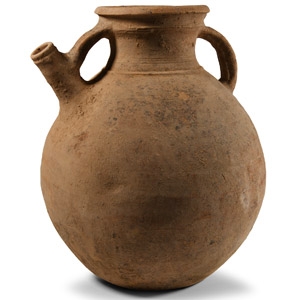
Large North West Iranian Spouted Vessel
Circa 1st millennium B.C.Sold for (Inc. bp): £176
Globular in profile with incised horizontal rings to shoulder and neck, carinated rim, strap handle and short spout with curved reinforcing strap; traces of pigment to shoulder. 3.2 kg, 31.5 cm high
Acquired 1980-2015. Ex Abelita family collection. -
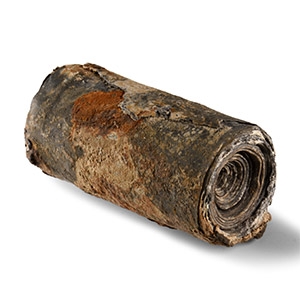
Aramaic Lead Magical Scroll
Circa 1st-3rd century A.D.Sold for (Inc. bp): £2,080
Still sealed and complete and in exceptional condition, a solid example with the entire scroll within available for conservation unrolling. 298 grams, 62 mm
From the property of the late Mr SM, London, UK, 1969-1999.
