
Loading, please wait...
LOT 1434
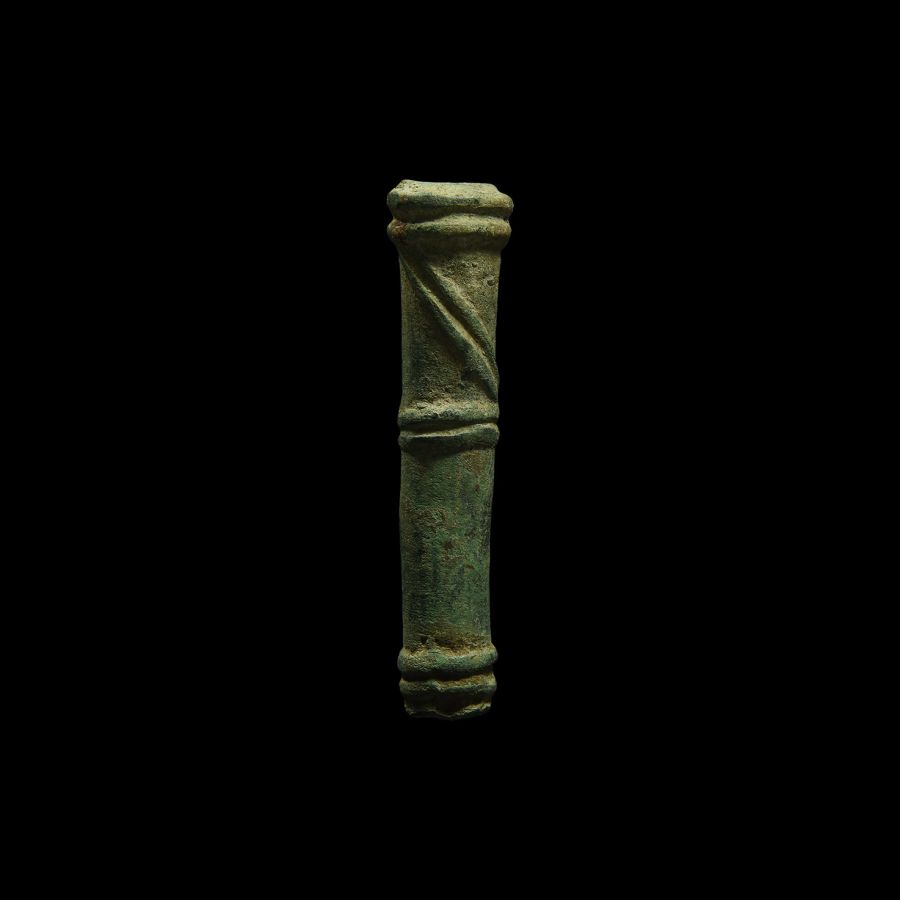
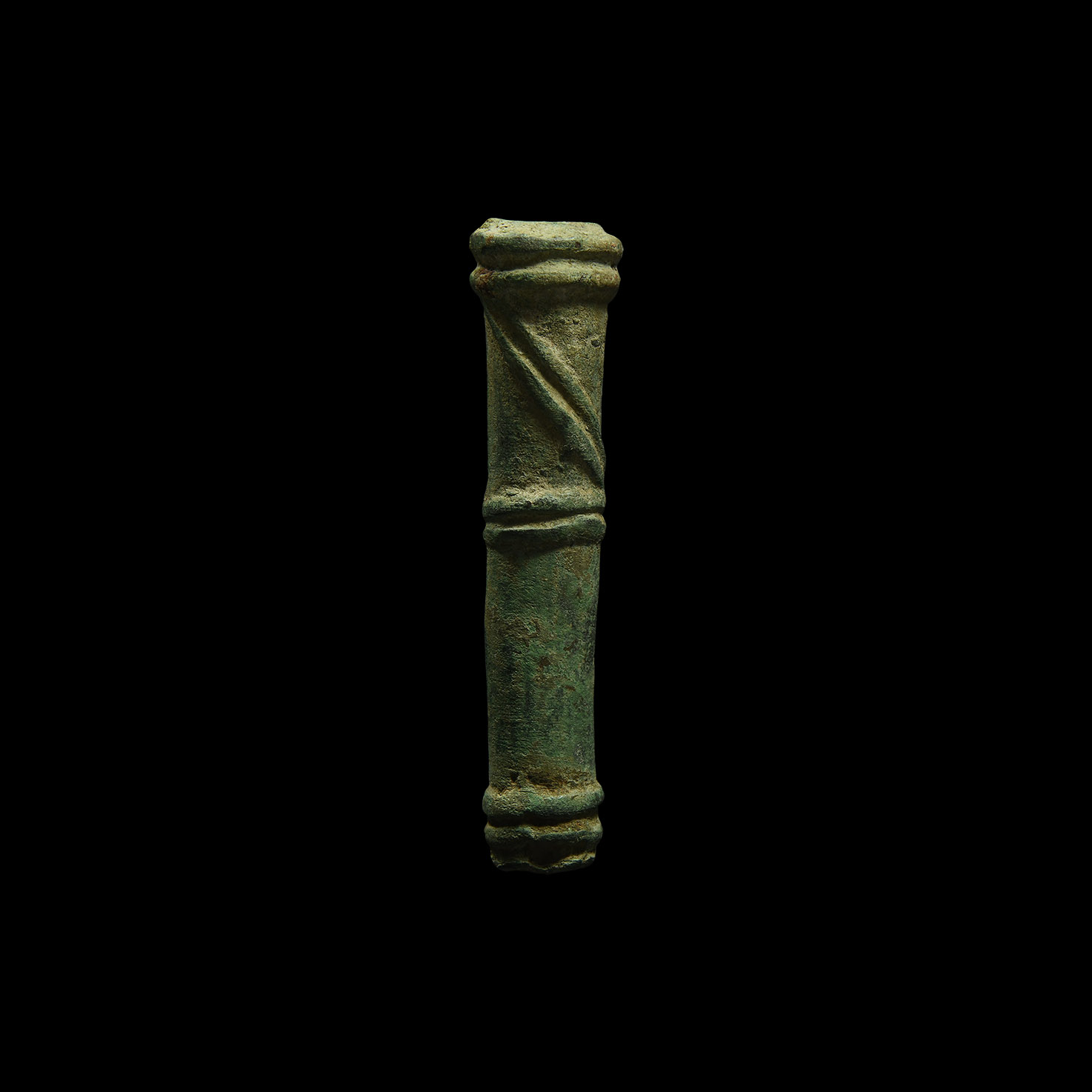
Luristan Socketted Bronze Cudgel
13TH-7TH CENTURY B.C.
6 in. (473 grams, 15.5 cm wide).
A cudgel or handle of an axe or mace reinforced at both ends by raised moulding, the handle adorned with a double spiral in relief.
ProvenancePrivate family collection formed in London, mid 1980s to early 1990s.
LiteratureSee Godard, A., Les Bronzes du Luristan, Paris, 1931, pl.XIX, no.58; Godard, Y. and A., Bronzes de Luristan, La Haye, 1954, pl.2, cat.16.
CONDITIONTimeLine Auctions follows a vetting process to ensure the authenticity and legality of all items, reinforcing our commitment to integrity and responsible trading. Each antiquity, antique, and coin lot undergoes thorough examination by a vetting committee of at least ten external specialists, professional trade association members, scientists, and archaeologists: Our Vetting Process
AUCTIONS:
TimeLine is a leading auction house specialising in antiquities, ancient art, collectables, natural history, coins, medals, and books. Our auctions offer museums, collectors, historians, and enthusiasts the opportunity to acquire unique and historically significant pieces.
-
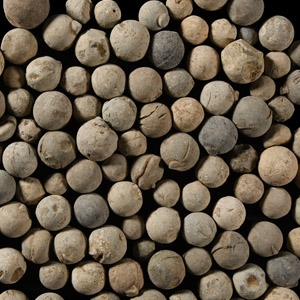
100 Civil War Period Lead Musket Balls
Circa 17th-18th century A.D.Sold for (Inc. bp): £26
Mixed group of lead-alloy pistol, musket and carbine balls, some with casting seam and sprue nipple. 1.64 kg total, 9-19 mm
Found Hertfordshire, UK. -
.jpg)
100 Civil War Period Lead Musket Balls
Circa 17th-18th century A.D.Sold for (Inc. bp): £65
Mixed group of lead-alloy musket and carbine balls, some with casting seam and sprue nipple. 1.71 kg total, 9-19 mm
Found Hertfordshire, UK. -
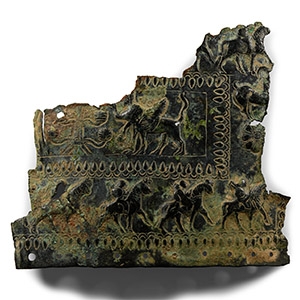
Urartu Bronze Repoussé Fragment with Advancing Warriors on Horseback
Circa 9th-7th century B.C.Sold for (Inc. bp): £1,560
The rectangular fragment with repoussé leaf borders, the outer scene composed of advancing warriors on horseback, each rider holding a round shield and a quiver of arrows on his back, a horned animal and a rosette to the right; the central scene with a winged human-headed bull flanking a tree, possibly a pomegranate tree or a tree of life; the lower edge pierced for attachment. 41 grams, 12 cm wide
From the property of the late Mr SM, London, UK, 1969-1999. Accompanied by a previous catalogue information slip.
