
Loading, please wait...

LOT 1070
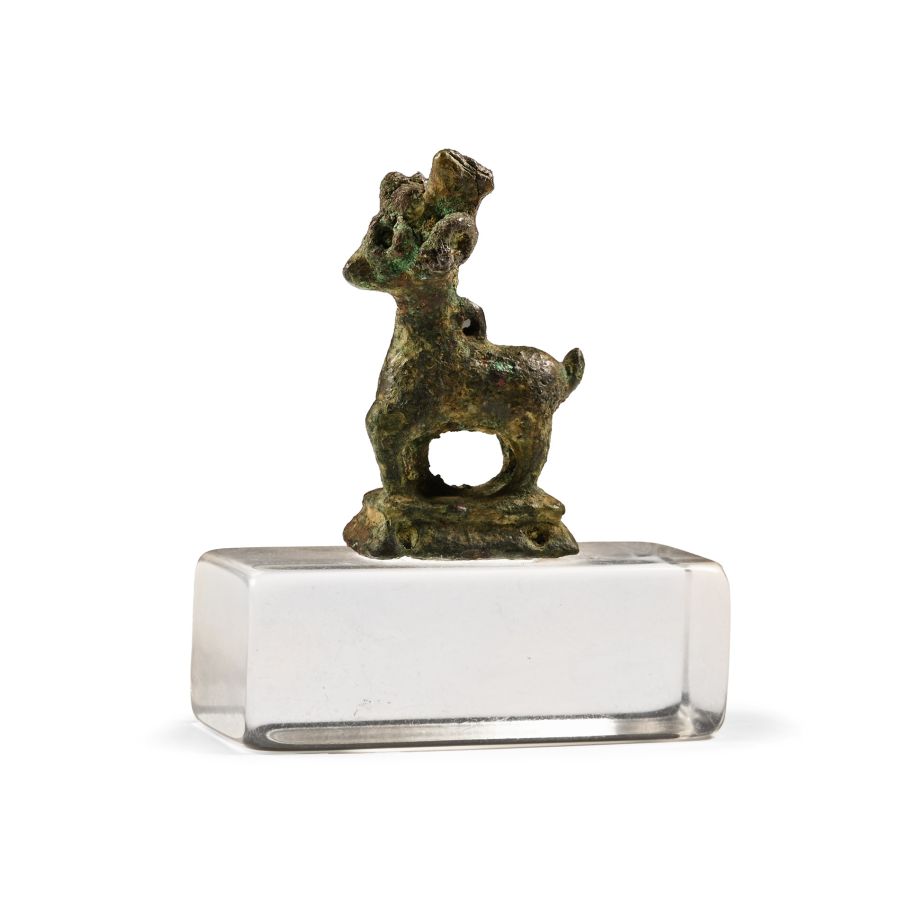
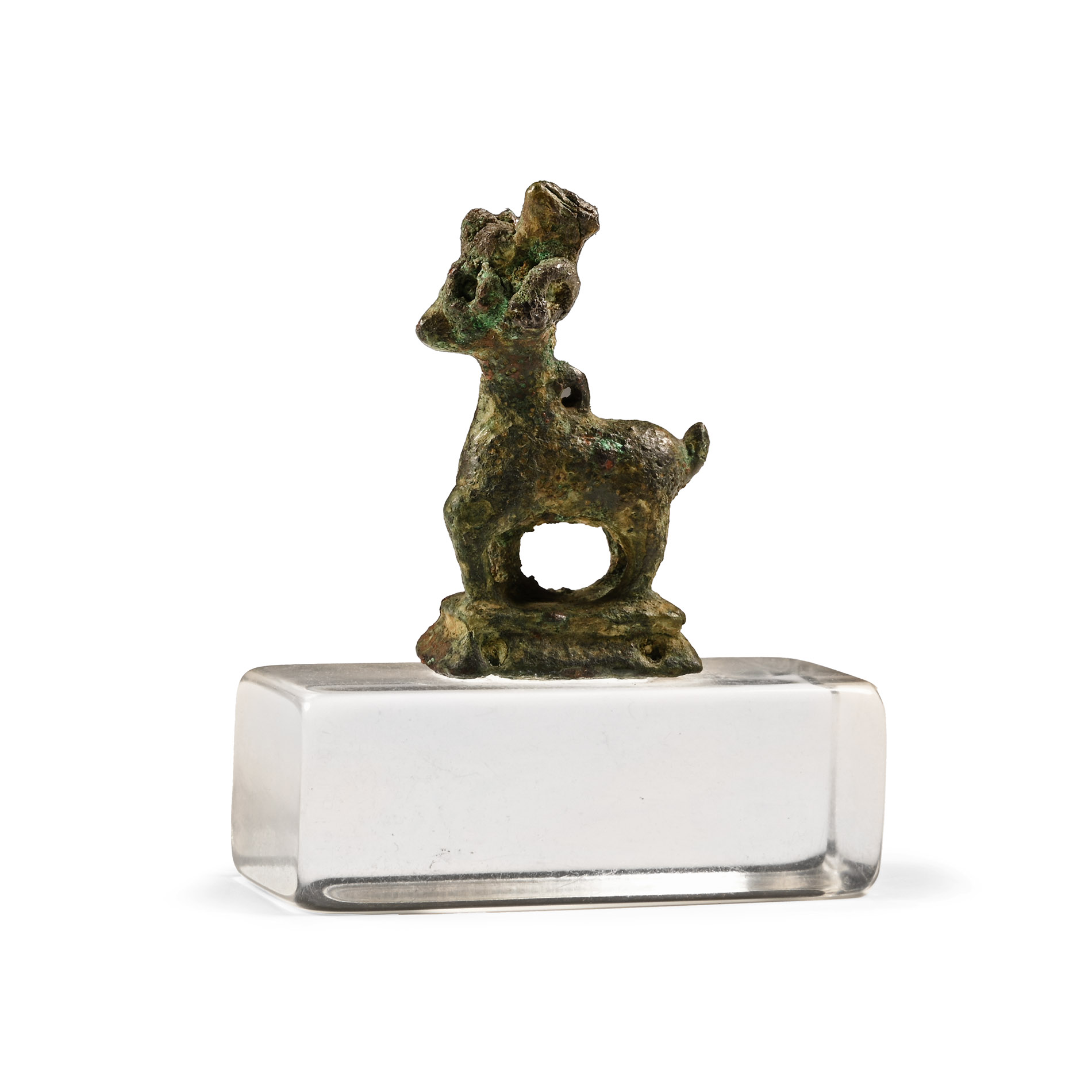
Luristan Miniature Bronze Ibex
8TH-6TH CENTURY B.C.
2 1/4 in. (43 grams, 58 mm).
Standing with left front leg slightly bent, crested head, detailed muzzle, raised tail, loop to the back; mounted on a custom-made display stand.
Provenancewith a London, UK gallery, 1971-early 2000s.
LiteratureCf. Engel, N. et al., Bronzes du Luristan: Énigmes de l'Iran Ancien IIIe-Ier millénaire av.J-C., Paris, 2008, item 103; see also the Detroit Institute of Arts Museum, accession number 72.45, for a similar example; Muscarella, O. W., Bronze and Iron: Ancient Near Eastern Artifacts in The Metropolitan Museum of Art, New York, 1988, item 293, for type.
FootnotesPendants in the form of animals, mostly goats or mouflons, but also horses or other equids, are quite common among the corpus of the Luristan pendants.
CONDITIONTimeLine Auctions follows a vetting process to ensure the authenticity and legality of all items, reinforcing our commitment to integrity and responsible trading. Each antiquity, antique, and coin lot undergoes thorough examination by a vetting committee of at least ten external specialists, professional trade association members, scientists, and archaeologists: Our Vetting Process
AUCTIONS:
TimeLine is a leading auction house specialising in antiquities, ancient art, collectables, natural history, coins, medals, and books. Our auctions offer museums, collectors, historians, and enthusiasts the opportunity to acquire unique and historically significant pieces.
-
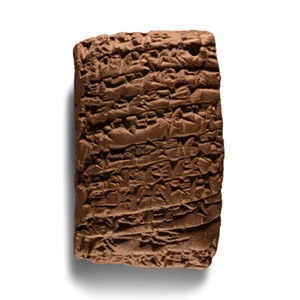
Old Babylonian Cuneiform Tablet from Sumu-el, King of Larsa in Babylonia, to his Officials in Various Towns Ordering them to keep a Strict Watch
Circa 19th century B.C.Sold for (Inc. bp): £1,235
Pillow-shaped with cuneiform text to both broad faces, both short and one long edge. 61 grams, 60 mm
From the private collection of the late Dr D.G., 1990s. -
.jpg)
Bactrian Style Lapis Lazuli Bead Necklace
20th century A.D.Sold for (Inc. bp): £59
Composed of oblate beads. 6.33 grams, 55 cm long
Acquired 1980-2015. Ex Abelita family collection. -
.jpg)
Large Luristan Bronze Ring with Animals
1st millennium B.C.Estimate: £3,000 - 4,000 (+bp*)
Opening Bid: £600
With thick hoop and opposed animal-heads to the reverse, large ellipsoid bezel with incuse winged bull motif. 34 grams, 30.15 mm overall, 22 x 20.4 mm internal diameter (approximate size British T 1/2, USA 9 3/4, Europe 21.89, Japan 21)
with Pierre Bergé & Associés, Paris, 23 April 2001, no.297 (part). Acquired by an important European family collection. Accompanied by copies of the relevant Pierre Bergé & Associés catalogue pages. This lot has been checked against the Interpol Database of stolen works of art and is accompanied by search certificate no.12055-213660.
