
Loading, please wait...
LOT 1276
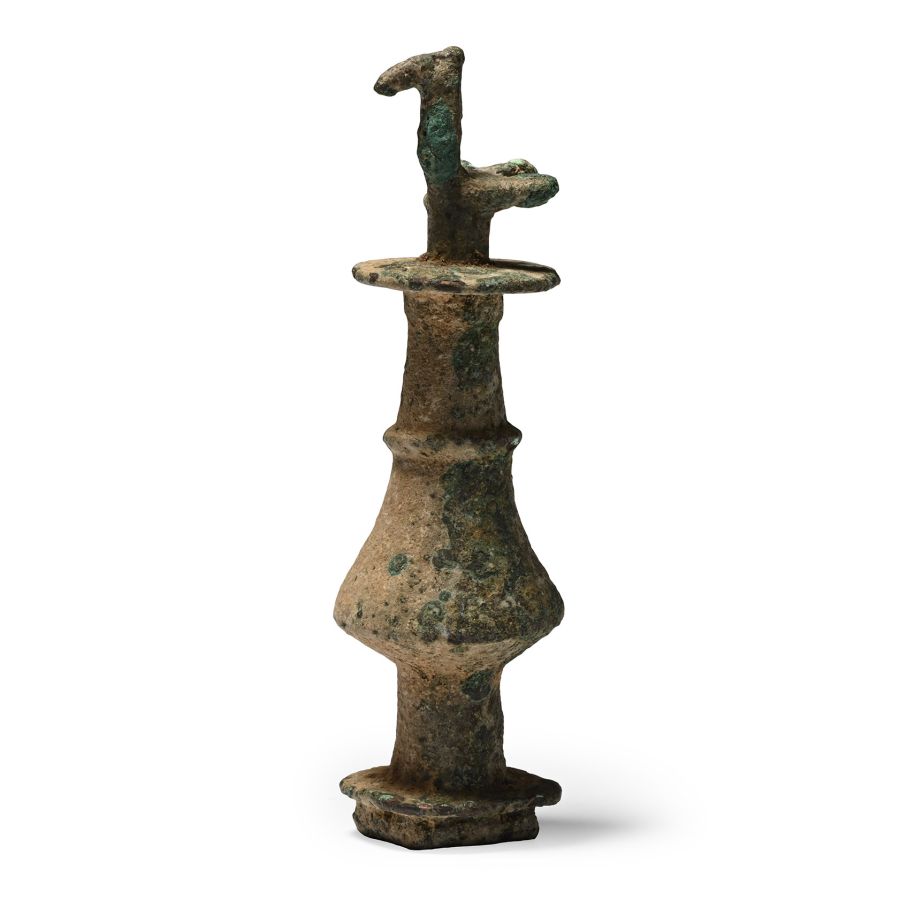
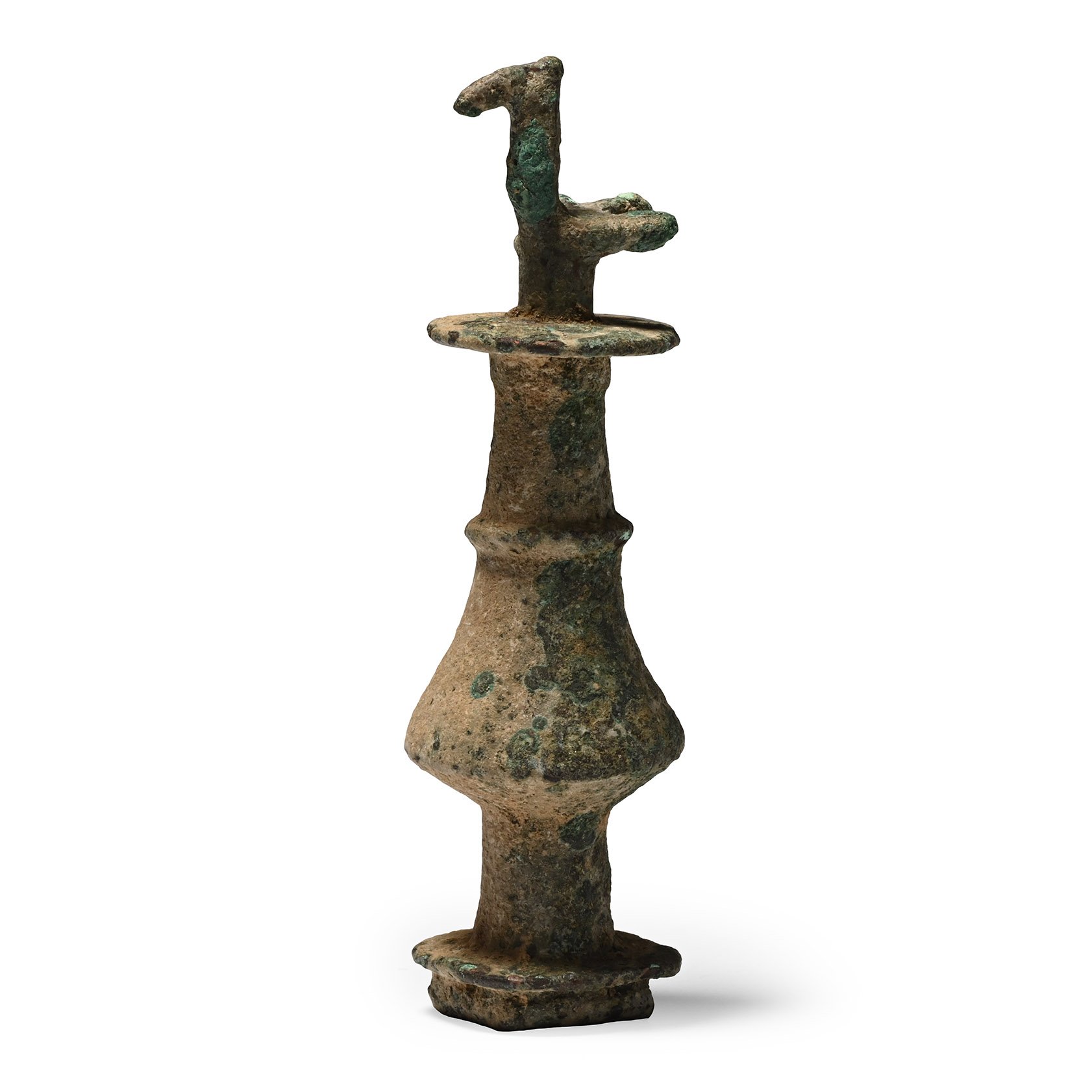
Luristan Bronze Standard Finial with Bird
13TH-7TH CENTURY B.C.
4 in. (87.4 grams, 99 mm).
With a conical, collared body; the top with a stylised bird modelled in the round.
ProvenanceAcquired on the UK art market before 2000.
Property of an Essex, UK, gentleman.
TimeLine Auctions follows a vetting process to ensure the authenticity and legality of all items, reinforcing our commitment to integrity and responsible trading. Each antiquity, antique, and coin lot undergoes thorough examination by a vetting committee of at least ten external specialists, professional trade association members, scientists, and archaeologists: Our Vetting Process
AUCTIONS:
TimeLine is a leading auction house specialising in antiquities, ancient art, collectables, natural history, coins, medals, and books. Our auctions offer museums, collectors, historians, and enthusiasts the opportunity to acquire unique and historically significant pieces.
LOT 1276
Luristan Bronze Standard Finial with Bird
Estimate £100 - 140€120 - 160 (for guidance only)$140 - 190 (for guidance only)
-
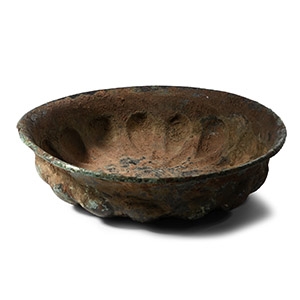
Achaemenid Bronze Phiale with Boss
7th-5th century B.C.Estimate: £700 - 900 (‡+bp*)
Opening Bid: £350
Broad lotiform bowl with everted and turned rim, domed mesomphalos. 298 grams, 16.5 cm
Acquired in the mid 1980s-1990s. Private collection, Switzerland, thence by descent. Private collection, since the late 1990s. -
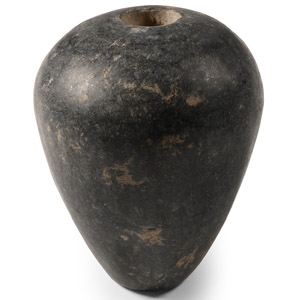
Western Asiatic Black Stone Macehead
2nd millennium B.C.Sold for (Inc. bp): £338
Piriform with vertical socket expanding towards the narrower end. 439 grams, 80 mm
Ex London, UK, gentleman's collection, 1990s. -
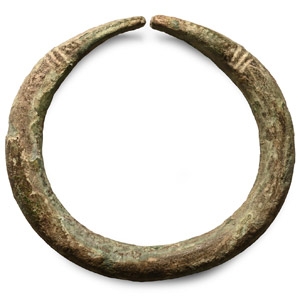
Heavy Luristan Bronze Snake-Headed Armlet
13th-7th century B.C.Sold for (Inc. bp): £85
Round-section substantial shank with flattened ends, low-relief ribbed collars, snake-head detailing. 173 grams, 90 mm
From a collection of a gentleman, acquired on the London art market in the 1990s.
