
Loading, please wait...
LOT 0259
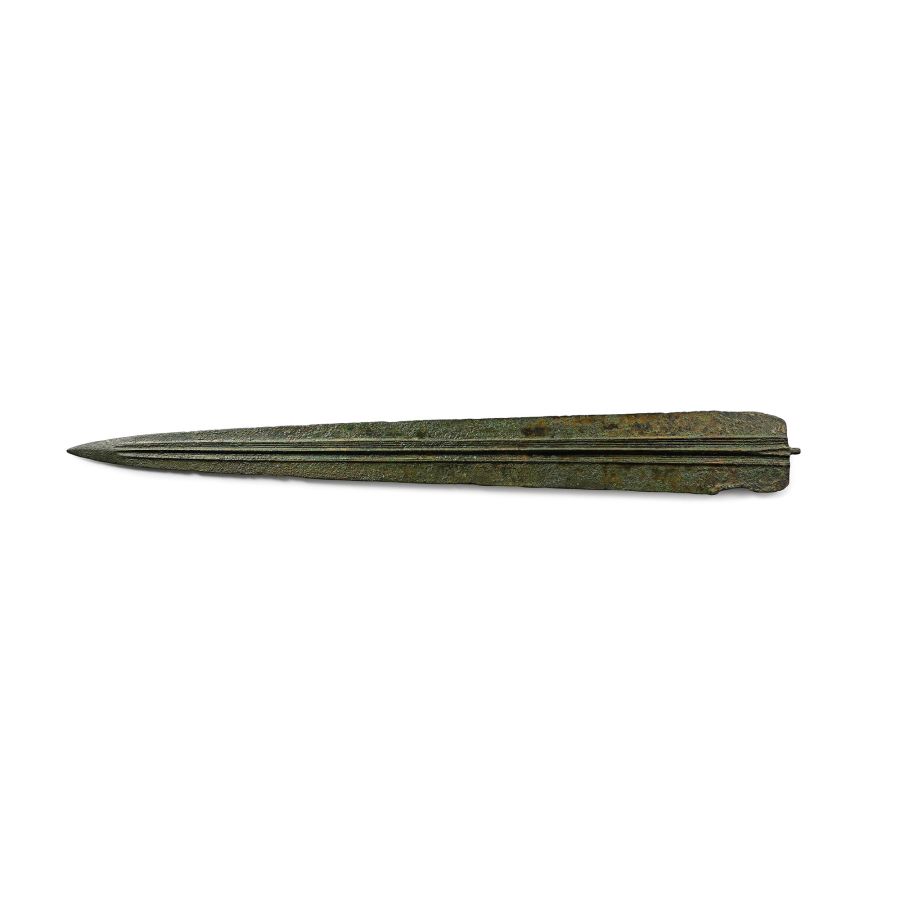
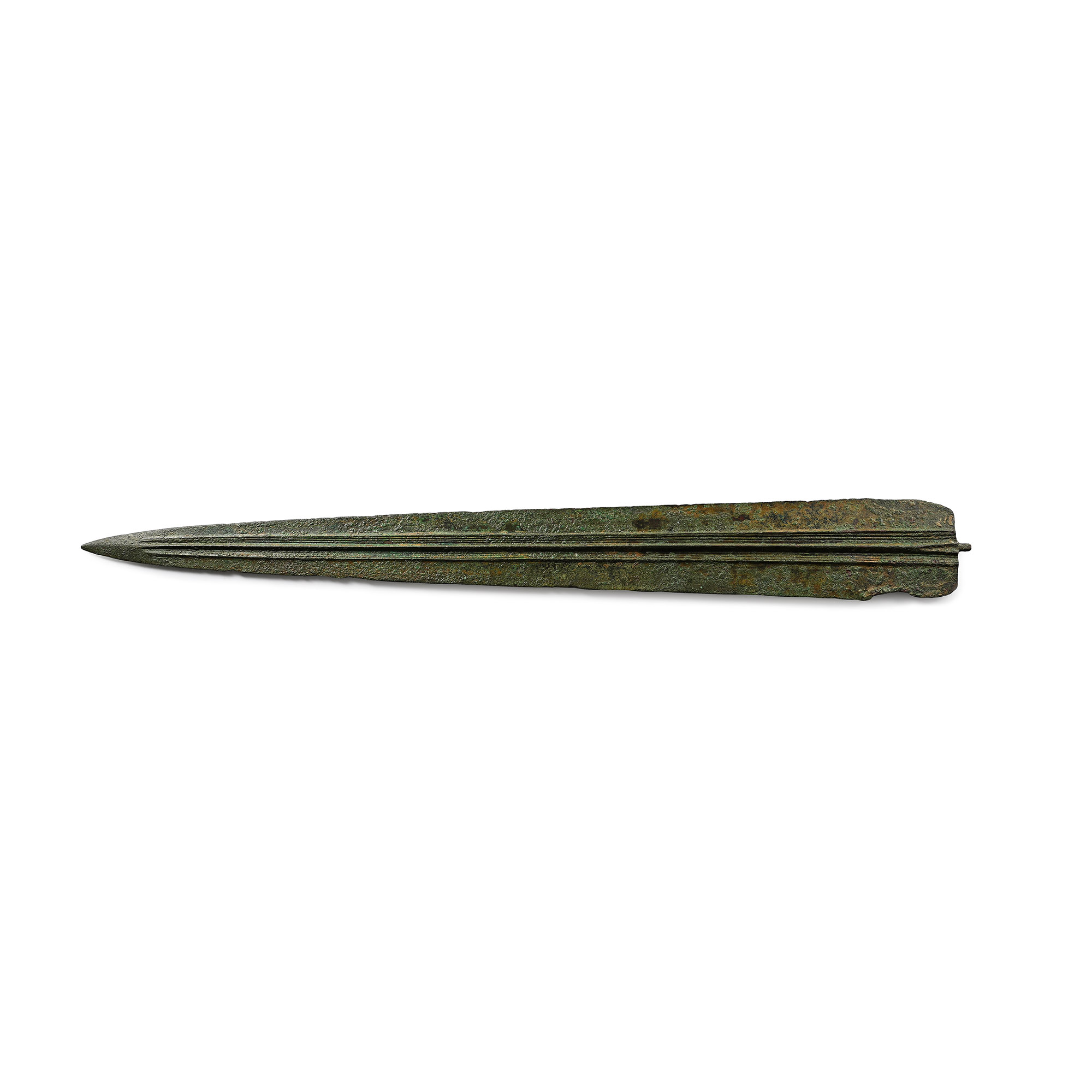
Luristan Bronze Short Sword with Blood Channels
1ST MILLENNIUM B.C.
20 7/8 in. (558 grams, 53 cm).
Broad two-edged blade, leaf-shaped with short rectangular tang, corrugated midrib extending almost to the tip; rounded shoulders. [No Reserve]
Provenancewith Archaeologia, Switzerland, before 1983.
Ex private North American collection.
London private collection, 2016.
See Khorasani, M.M., Arms and Armour from Iran. The Bronze Age to the End of the Qajar Period, Tübingen, 2006, s.cat 31, for type.
CONDITIONTimeLine Auctions follows a vetting process to ensure the authenticity and legality of all items, reinforcing our commitment to integrity and responsible trading. Each antiquity, antique, and coin lot undergoes thorough examination by a vetting committee of at least ten external specialists, professional trade association members, scientists, and archaeologists: Our Vetting Process
AUCTIONS:
TimeLine is a leading auction house specialising in antiquities, ancient art, collectables, natural history, coins, medals, and books. Our auctions offer museums, collectors, historians, and enthusiasts the opportunity to acquire unique and historically significant pieces.
-
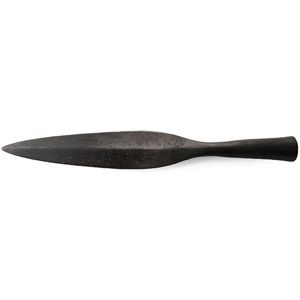
Viking Age Iron Socketted Spearhead
Circa 9th-11th century A.D.Sold for (Inc. bp): £91
Leaf-shaped blade with raised midrib extending to round-section tapering socket with fastening hole; professionally cleaned, conserved, and restored. 204 grams, 29 cm
From the family collection of a South East London collector; formerly acquired in the late 1950s. -
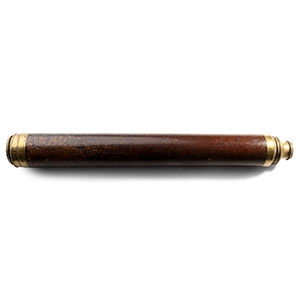
Large Mahogany Telescope with Brass Fittings
19th century A.D.Sold for (Inc. bp): £124
Large wooden barrel with brass eyepiece and inner tube, marked in copperplate script 'T.Harris & Son, London / Day or Night'. 1.05 kg, 55 cm
From the private collection of author and historian Dr DeWitt Bailey, one of the global authorities on the confederate army in the US civil war; thence by descent to his grandson. -
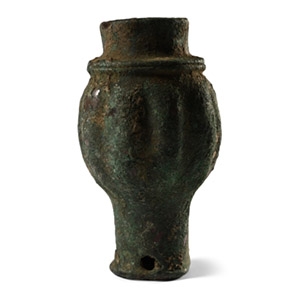
Luristan Bronze Macehead
13th-7th century B.C.Estimate: £100 - 140 (+bp*)
Opening Bid: £50
Comprising a cylindrical shaft with flared mouth, rounded flanges around the swollen head, horizontal stepped bands; Sara Gorz type. 416 grams, 98 mm
Acquired 1980-2015. Ex Abelita family collection. This lot is accompanied by an illustrated lot declaration signed by the Head of the Antiquities Department, Dr Raffaele D’Amato. This lot is accompanied by an illustrated lot declaration signed by the Head of the Antiquities Department, Dr Raffaele D'Amato.
