
Loading, please wait...


LOT 1312
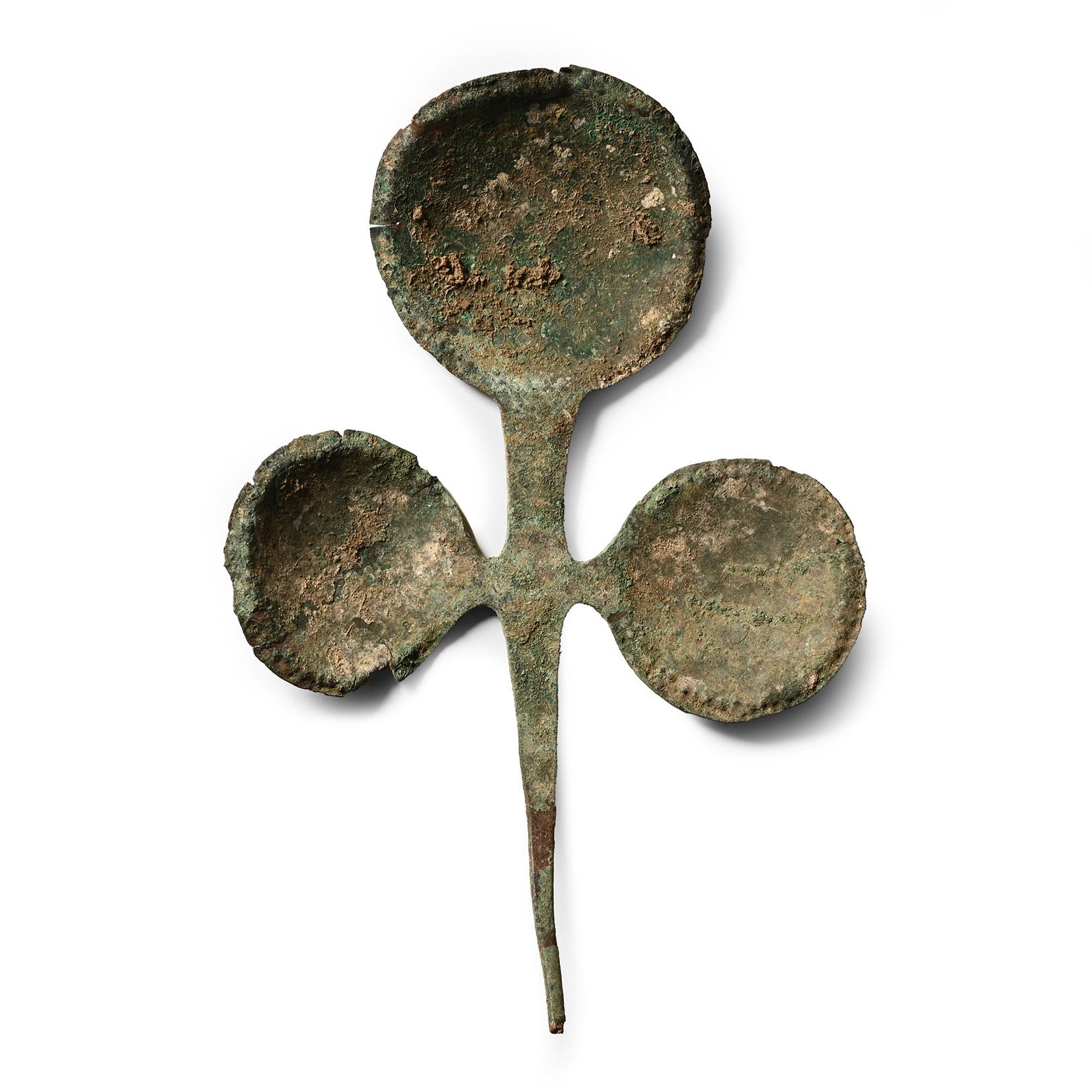
Luristan Bronze Pin with Petals
13TH-7TH CENTURY B.C.
5 1/4 in. (27 grams, 13.3 cm).
Trefoil head of a dress pin with large dished roundel at the top and two smaller ones to the sides. [No Reserve]
ProvenanceFrom a collection of a gentleman, acquired on the London art market in the 1990s.
CONDITIONTimeLine Auctions follows a vetting process to ensure the authenticity and legality of all items, reinforcing our commitment to integrity and responsible trading. Each antiquity, antique, and coin lot undergoes thorough examination by a vetting committee of at least ten external specialists, professional trade association members, scientists, and archaeologists: Our Vetting Process
AUCTIONS:
TimeLine is a leading auction house specialising in antiquities, ancient art, collectables, natural history, coins, medals, and books. Our auctions offer museums, collectors, historians, and enthusiasts the opportunity to acquire unique and historically significant pieces.
-
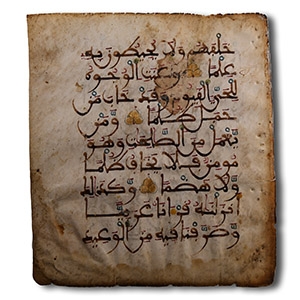
Islamic Illuminated Kufic Manuscript Page from the Qur'an
13th century A.D.Sold for (Inc. bp): £1,300
Square vellum leaf with 9 lines of Kufic script to recto and 10 to verso, black ink with liquid gold, red and blue ink diacritics and embellishments, pricked layout grid. 15 grams, 24.5 x 22 cm
From an important family collection started in the late 1950s. Property of a West London, UK, gentleman. This lot has been checked against the Interpol Database of stolen works of art and is accompanied by a search certificate number no.12281-220414. -
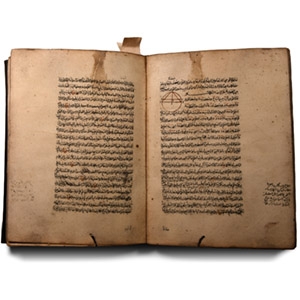
Islamic Leather-Bound Manuscript, A Summary of Astronomy by Musa bin Muhammad Qadhi Zada al-Rumi
942 A.H.Estimate: £4,000 - 6,000 (+bp*)
Opening Bid: £2,000
Rebound as a hardback with full leather binding, gilt central arabesque foliage panel and drypoint borders, fore-edge and envelope flap; title page with naskh script text in a triangular block with circular stamp and other notation; text pages each typically 21 lines of dense naskh script text with red titles, blocks of marginal notation. 418 grams, 15.5 x 20.5 cm
From an important family collection started in the late 1950s. Property of a West London, UK, gentleman. This lot has been checked against the Interpol Database of stolen works of art and is accompanied by a search certificate number no.12273-220406.
The text is an explanation of the book 'Summary of Astronomy' written by the engineer Musa bin Muhammad Qadhi Zada al-Rumi who died in 840 A.H. (1436 A.D.). The work is a footnote in the clarification of the minister, astronomical engineer Sinan al-Din Pasha, Yusuf bin Khadr bin Jalal Al-Din Al-Rumi who died in 891 A.H. (1486 A.D.) by order of Sultan Muhammad Al-Fateh bin Murad, a student of the author. This version dates to 952 A.H. (1535 A.D.). -
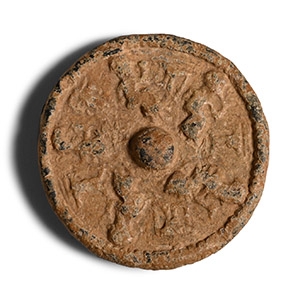
Western Asiatic Lead Magical Disc
1st century B.C.-2nd century A.D.Estimate: £150 - 200 (+bp*)
Opening Bid: £75
Discoid with rolled rim, central boss and frieze of profile figures between altars. 27.3 grams, 36 mm
From the collection of a gentleman, acquired on the London art market in the 1990s.
