
Loading, please wait...
LOT 1202
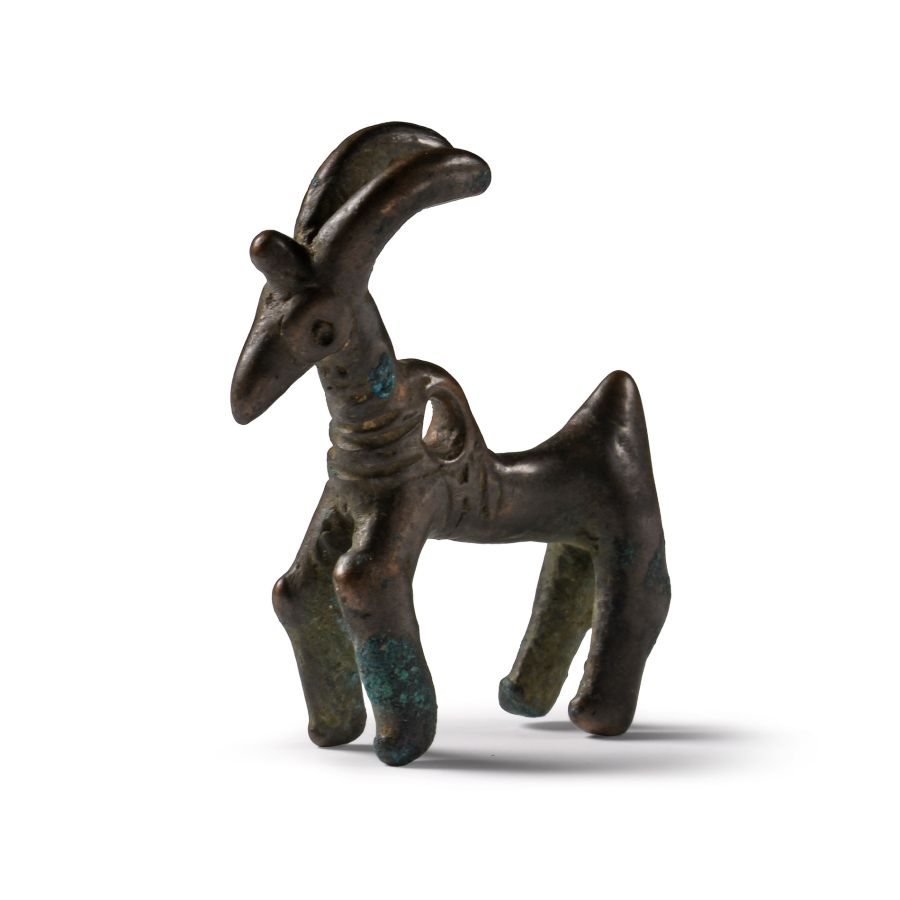
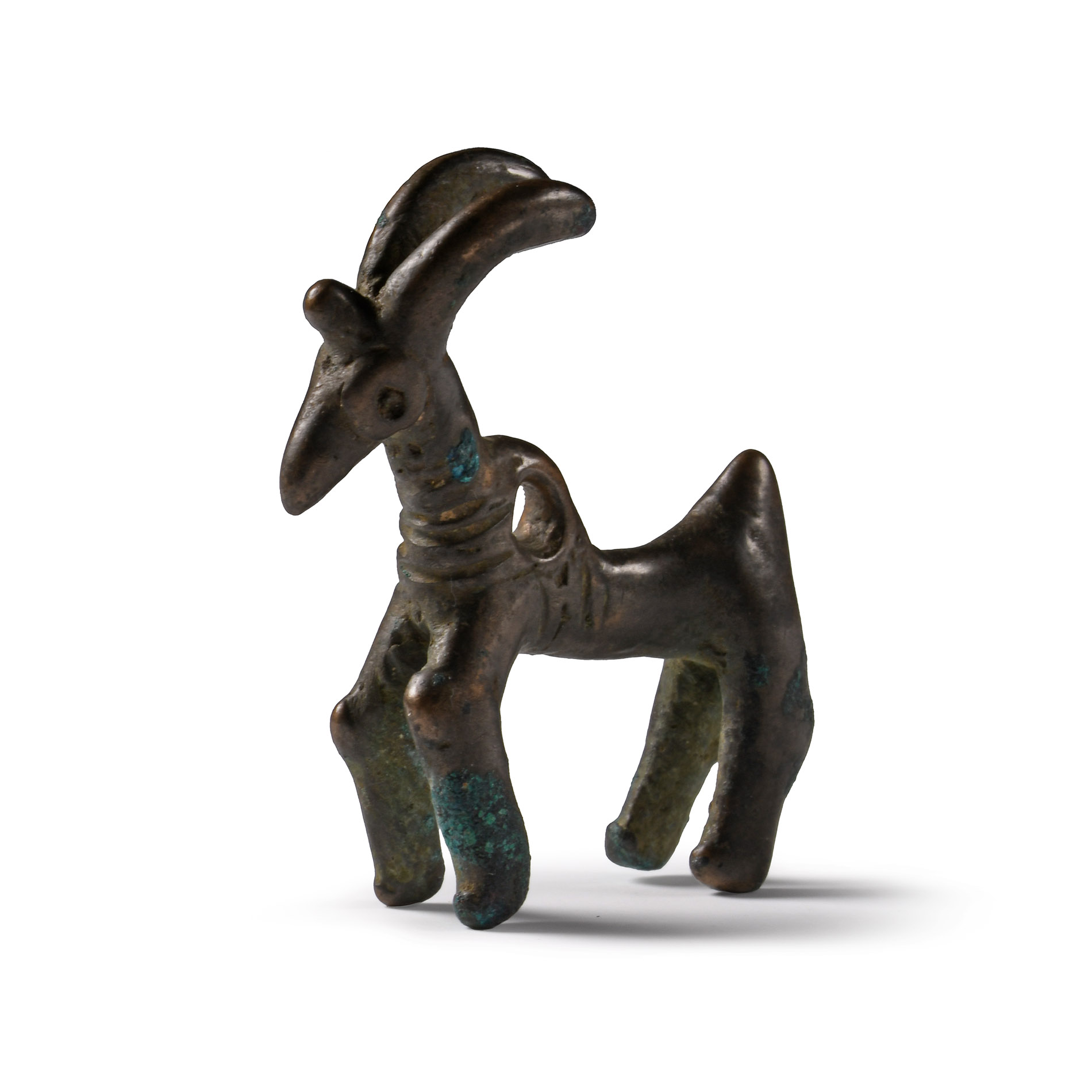
Luristan Bronze Ibex Amulet
1000-700 B.C.
1 1/4 in. (16.1 grams, 33 mm).
Standing modelled in the round with head erect, curved horns, pierced at the shoulder.
ProvenancePrivate collection, Mr. A.A., London, acquired in the 1970s.
with Bonhams, London, 8 May 2013, no.229 (Part).
Cf. Engel, N. et al., Bronzes du Luristan: Énigmes de l'Itan Ancien IIIe-Ier millénaire av.J-C., Paris, 2008, item 103, for type.
CONDITIONTimeLine Auctions follows a vetting process to ensure the authenticity and legality of all items, reinforcing our commitment to integrity and responsible trading. Each antiquity, antique, and coin lot undergoes thorough examination by a vetting committee of at least ten external specialists, professional trade association members, scientists, and archaeologists: Our Vetting Process
AUCTIONS:
TimeLine is a leading auction house specialising in antiquities, ancient art, collectables, natural history, coins, medals, and books. Our auctions offer museums, collectors, historians, and enthusiasts the opportunity to acquire unique and historically significant pieces.
-
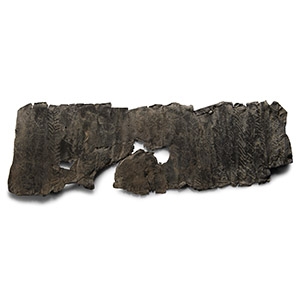
Aramaic Lead Magical Scroll
2nd-8th century A.D.Estimate: £400 - 600 (+bp*)
Opening Bid: £210
An unrolled irregular rectangular lead panel with lightly incised Aramaic script text and figures; herringbone borders. 31 grams, 18.5 cm
Collected from 1969-1999. From the collection of the late Mr S.M., London, UK. -
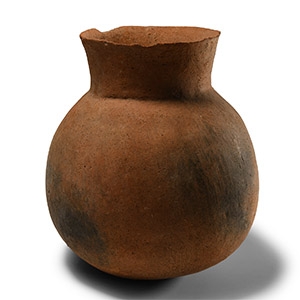
Trans Jordan Terracotta Jar
Early Bronze Age, 3rd millennium B.C.Sold for (Inc. bp): £124
With globular body and broad flared mouth; cracked. 415 grams, 15 cm high
Ex London, UK, collection, 1988. -
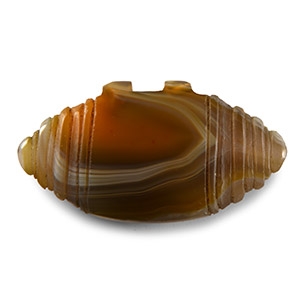
Western Asiatic Stone Pendant
20th century A.D.Sold for (Inc. bp): £33
In banded agate, rectangular body with stepped graduated finials, two pierced suspension lugs. 37.6 grams, 62 mm
Ex London, UK, gallery, 1971.
