
Loading, please wait...
LOT 1291
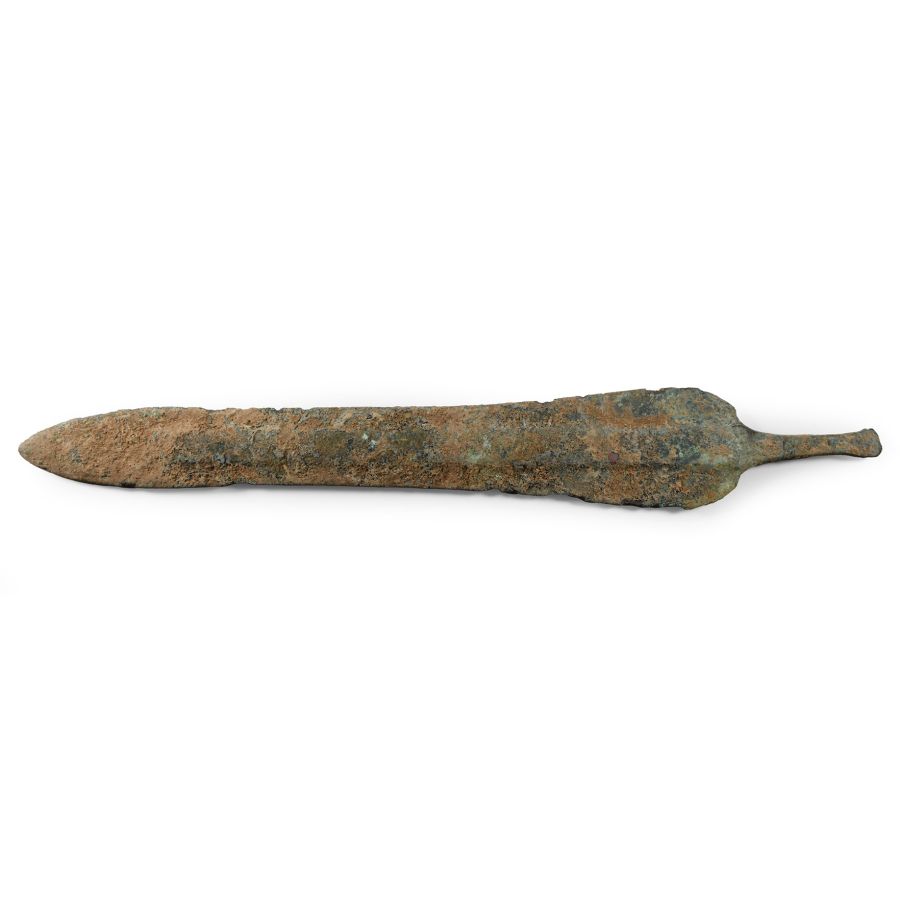
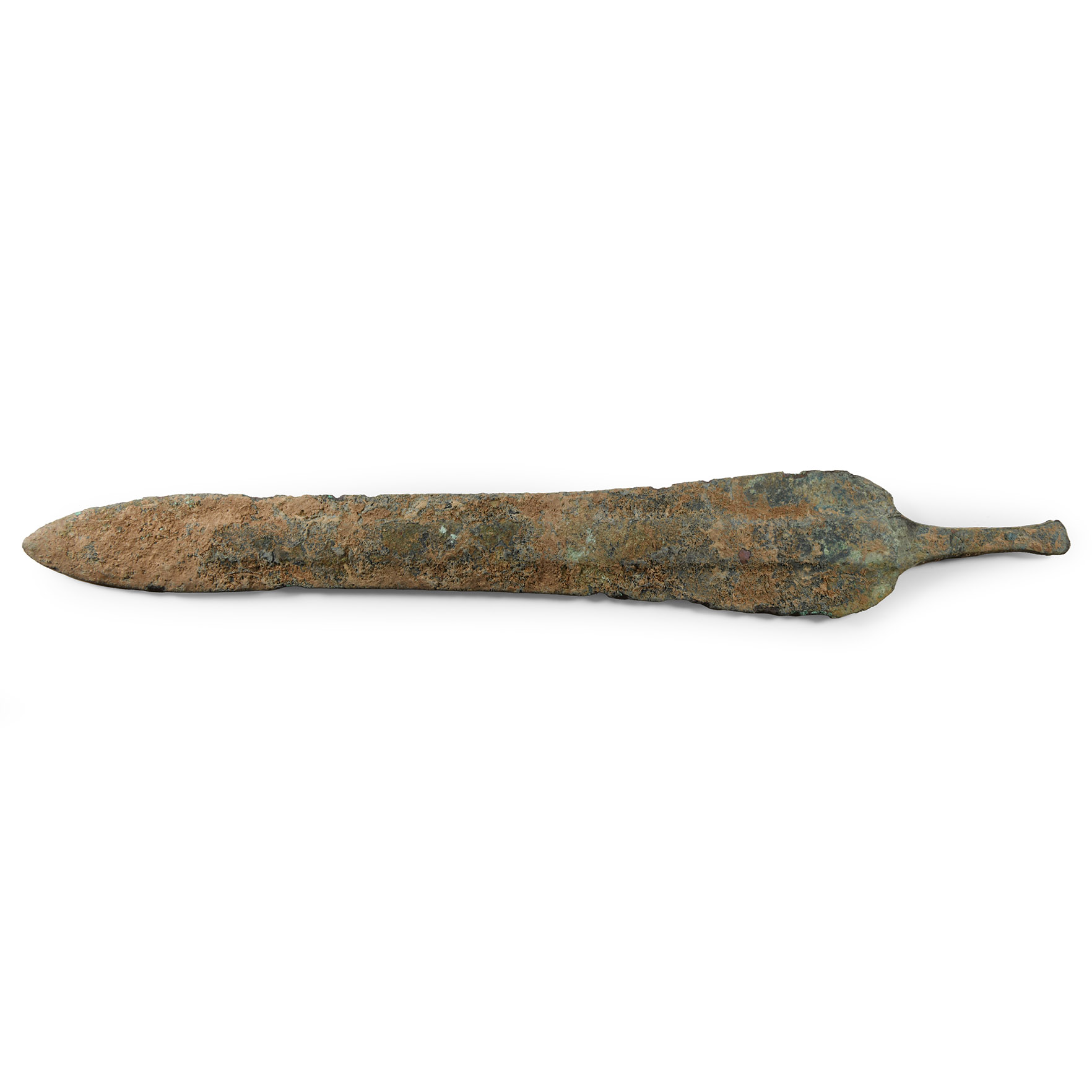
Luristan Bronze Dagger Blade
13TH-7TH CENTURY B.C
10 7/8 in. (147 grams, 27.7 cm).
Comprising a slender blade with a raised midrib extending towards the short tang. [No Reserve]
ProvenanceProperty of an Essex, UK, gentleman.
CONDITIONTimeLine Auctions follows a vetting process to ensure the authenticity and legality of all items, reinforcing our commitment to integrity and responsible trading. Each antiquity, antique, and coin lot undergoes thorough examination by a vetting committee of at least ten external specialists, professional trade association members, scientists, and archaeologists: Our Vetting Process
AUCTIONS:
TimeLine is a leading auction house specialising in antiquities, ancient art, collectables, natural history, coins, medals, and books. Our auctions offer museums, collectors, historians, and enthusiasts the opportunity to acquire unique and historically significant pieces.
-
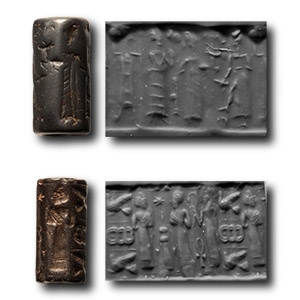
Mesopotamian Cylinder Seal Group with Scenes
2nd millennium B.C.Sold for (Inc. bp): £416
Comprising: larger example with three figures in flounced robes and a fourth in advancing pose; smaller with three females in tight-fitting robes, a guilloche, an ankh and other items in the field. 8.41 grams total, 18-20 mm
From a collection acquired from various auction houses in the UK. From the estate of Mr R.W., a private Wiltshire, UK, collector; thence by descent. -
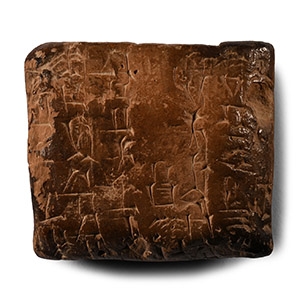
Proto-Sumerian Terracotta Pictographic Tablet
3rd Dynasty of Ur, circa 2036 B.C.Estimate: £2,000 - 3,000 (‡+bp*)
Opening Bid: £750
Pillow-shaped tablet with columns of pictograms to two broad faces and one edge. 27.6 grams, 40 mm
Ex De Groot collection, Belgium, acquired in the 1930s. with Bonhams, London, 13 April 2011, no.137. Accompanied by copies of the relevant Bonhams catalogue pages. This lot has been checked against the Interpol Database of stolen works of art and is accompanied by a search certificate number no.12118-218148. -
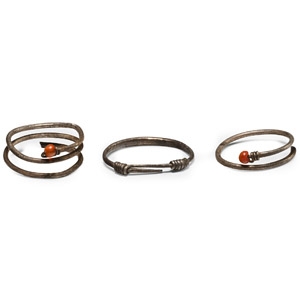
Western Asiatic Silver Child's Bracelet Group
1st millennium B.C.Sold for (Inc. bp): £46
Comprising three bracelets: one annular with overlapping finials coiled around the shank on opposite sides; two coiled bracelet sections with a carnelian bead to one end. 20.9 grams total, 34-39 mm
UK private collection before 2000. On the UK art market. Property of a London gentleman.
